Portuguese
  Spanish


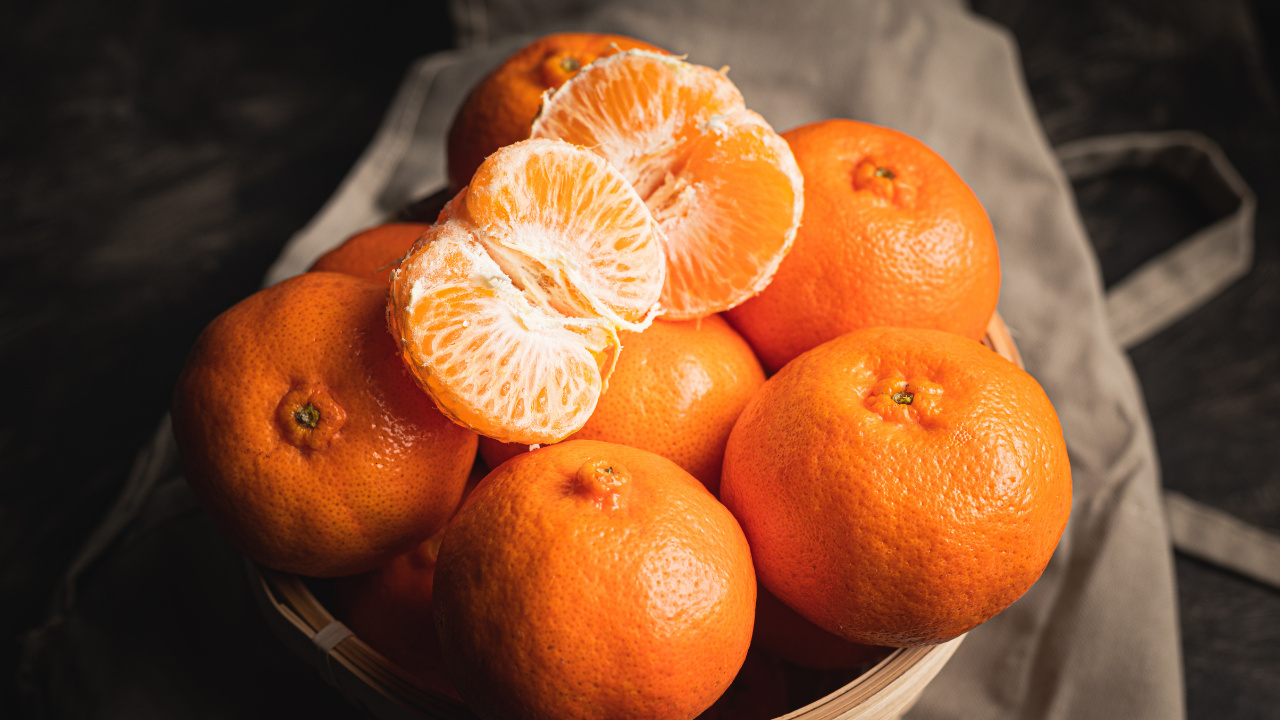

Tangerine, mexerica or bergamot? Understand the science behind the names of this fruit and discover the differences between the varieties found in Brazil.
Traveling through Brazil reveals linguistic curiosities that go far beyond accents. One of the most classic examples is the tangerine, which assumes different identities depending on the state. Whether it’s bergamot, mexerica, ponkan or even laranja-cravo, the fact is that we are dealing with the same fruit.
This variation of names is not a mistake, but rather an inheritance from the rich historical, cultural, and migratory formation of a country with continental dimensions. Botanical science clarifies that all these names belong to the citrus genus.
According to Epagri researcher, Luana Aparecida Castilho Maro, the term tangerine acts as a “large group,” being the technical name that encompasses various cultivars. Just as oranges are subdivided into different types, tangerines also present themselves in varied forms, flavors, and textures, although they maintain the same biological root.
-
India Paints Road Red and Uses Smart Asphalt to Slow Drivers and Protect Wildlife in Nature Reserve

-
Yellow vs. White Fat: The Little-Known Difference That Can Impact the Quality and Flavor of Your Barbecue
-
60-Year-Old Kurt Kromm Fired Over $1.95 Cookie After 11 Years at Ford, Proves Payment and Lands Better Job

-
Einstein’s Lasting Advice: “Strive to Be a Person of Value, Not Just Success” Inspires Many Seeking Life’s Meaning



Tangerine, mexerica, bergamot or ponkan? Differences that facilitate identification at the market
Although they belong to the same family, it is easy to distinguish some varieties by the physical characteristics they present at the point of sale.
The ponkan, for example, is highly sought after for its practicality: larger fruits, thick and easy-to-peel skin, often with a small “neck” near the stem. On the other hand, the term mexerica is usually associated with smaller-sized varieties.
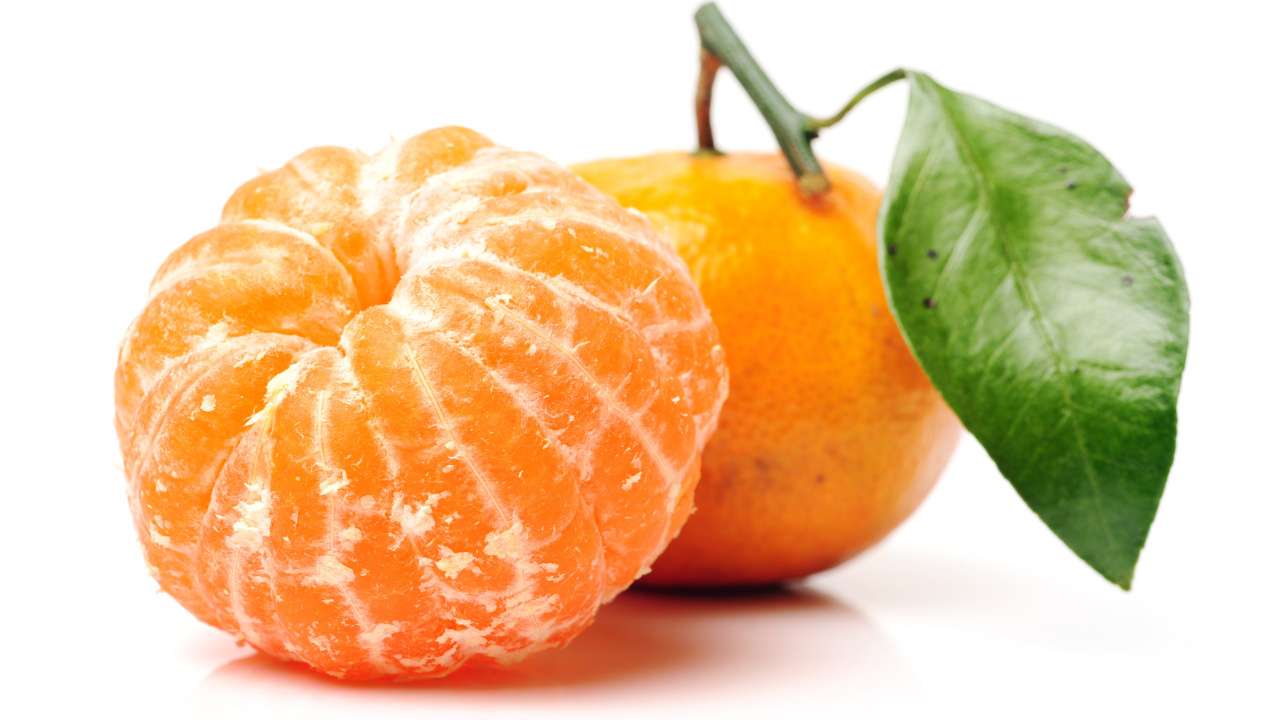
These fruits present:
- Thin skin: More adherent to the segments, requiring a bit more effort to peel.
- Intense aroma: The characteristic fragrance is stronger than in other varieties.
- Distinctive flavor: A more pronounced taste experience.
It is essential to remember that the bergamot is not a distinct species. The term is just the way the population of the southern states has conventionally named the fruit, proving that regional vocabulary dictates the “difference” between products on the shelves.
The origin of the names and cultural influence
The confusion about the tangerine also has deep roots in the etymology of the words. The most common term, tangerine, refers to the city of Tangier in Morocco. Meanwhile, the word bergamot has a curious origin, coming from the Turkish beg armudi (“prince’s pear”).
The journey of these words to Brazilian Portuguese was influenced by Italian, French, and even phonetic exchanges.


The Linguistic Atlas Project of Brazil (ALiB) dedicates studies precisely to this mapping. They show how the term mexerica was born from the verb mexericar, while in areas of the Northeast the fruit was nicknamed laranja-cravo.
Additionally, linguistic phenomena like betacism — where the sound of ‘B’ approaches ‘V’ — explain variations like “vergamota,” influenced by proximity to Spanish.
Nutrition and conscious consumption
Regardless of the name, the tangerine is widely recommended by nutritionists. As a source of vitamin C and fiber, the fruit is one of the pillars of a healthy diet in Brazil.
The nutritional value is consistent among the varieties, ensuring that no matter what you call it, the benefit to your immune and digestive system will be the same.
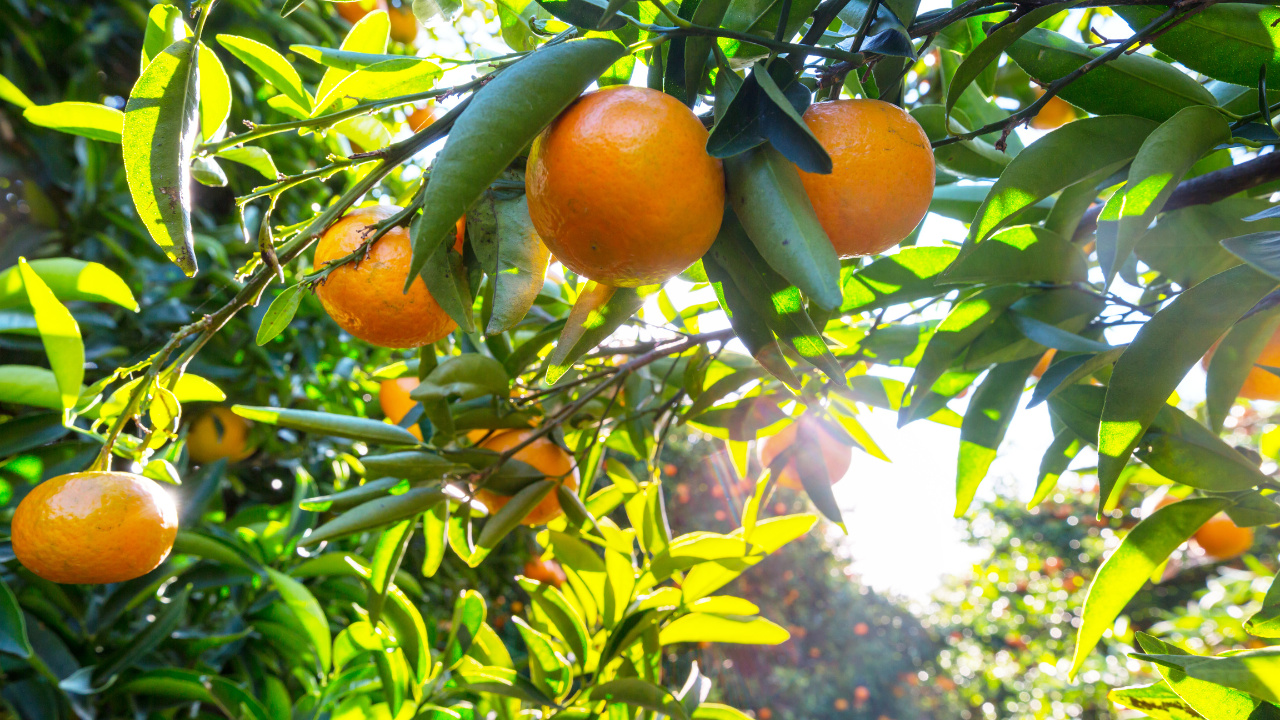
For producers, the diversity of names and varieties is a strategic opportunity. Agricultural research focuses on adapting the best cultivars for different soils, ensuring that the market is supplied all year round.
Thus, whether buying a mimosa on the coast of Paraná or a tangerine in São Paulo, the Brazilian consumer is always taking home a product of high technical quality.
Botany is universal, the accent is regional
Therefore, the next time you visit a market outside your state, don’t be confused if you find an unfamiliar name on the label.
Botany is universal and the flavor is unmistakable. Enjoy the fruit with the name that is most familiar to your region and savor all the freshness that this family of citrus offers, ensuring more health and flavor for your daily routine.
Source: Globo Rural