





 Portuguese
  English
  Spanish
  3 min of reading
  0 comments



With Construction Started in 1998 and Completed in 2011, the ISS May Gain a New Destination Instead of Falling into the Pacific as Space Junk
The initial idea was straightforward: deorbit the International Space Station in 2030 and guide the descent to Point Nemo in the Pacific. Thus, one of the largest structures ever assembled outside Earth would end up on the ocean floor.
However, an unexpected proposal changed the tone of the conversation. Instead of destroying the ISS, the suggestion arose to repurpose the station as a base for orbital recycling and fueling a future space industry.
What Happened and Why It Attracted Attention
The ISS has been in operation for over a quarter of a century and has become a reference as a laboratory in microgravity. Construction began in 1998, assembly was completed in 2011, and since then the station has accumulated wear and tear.
-
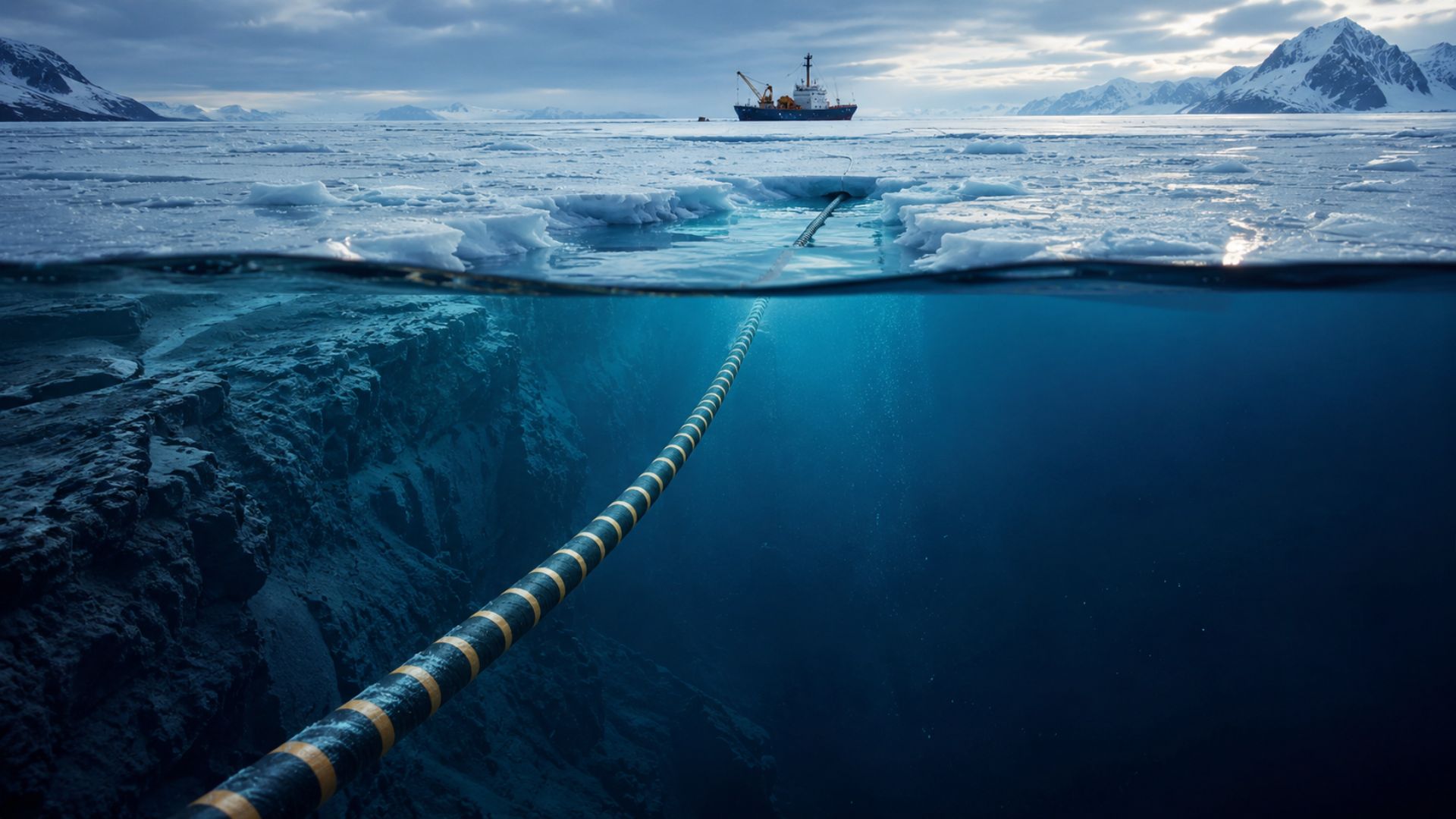
For the first time in history, a submarine cable will descend to four thousand meters deep under the ice of the North Pole to ensure that the internet between Europe and Asia no longer depends on conflict zones in the Middle East.

-
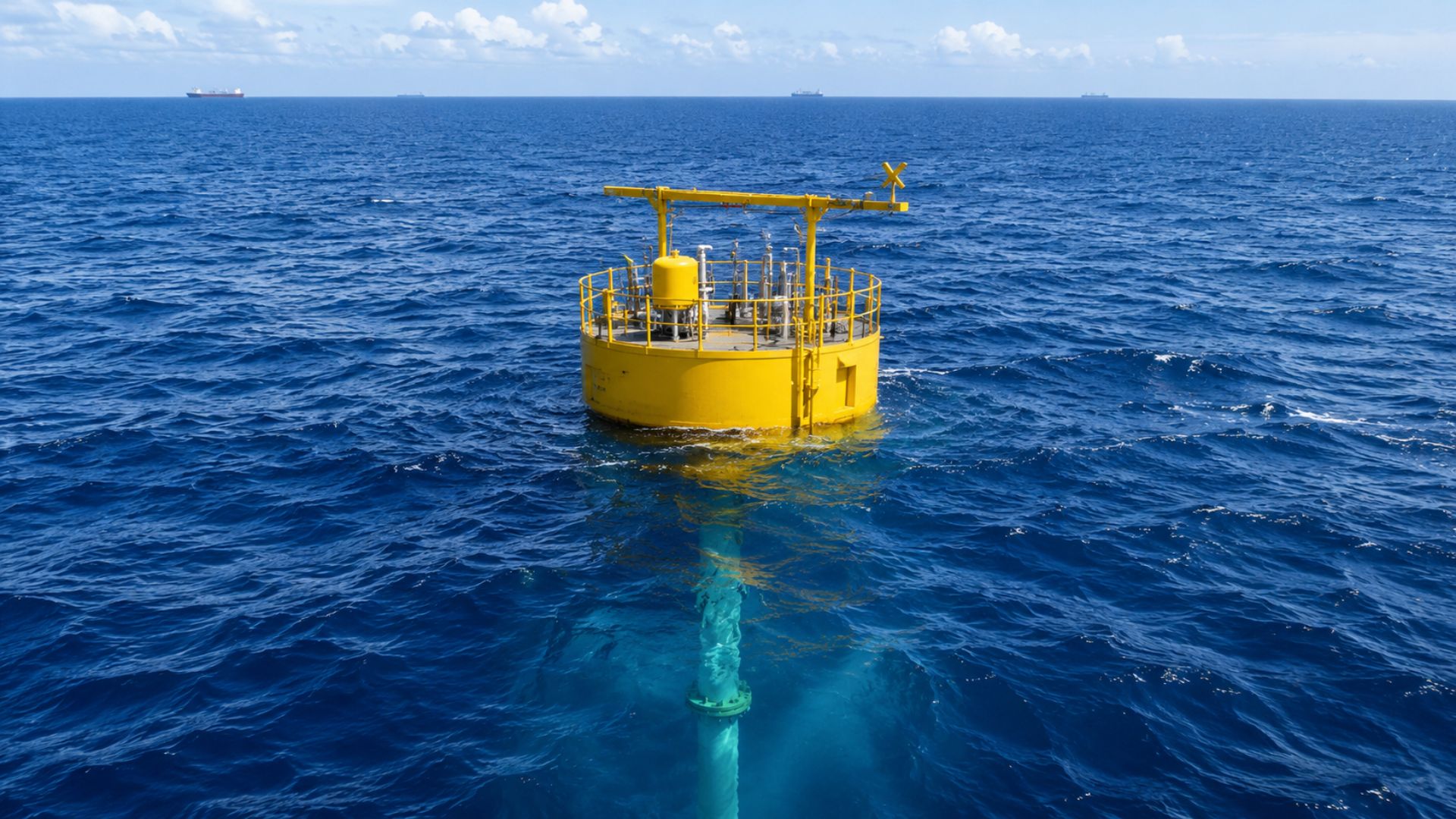
A British company has installed in the middle of the ocean the world’s first floating platform that generates electricity 24 hours a day from the temperature difference between the surface and the depths of the Atlantic, without relying on wind or sun.
-
The James Webb telescope spotted a planet 700 light-years from Earth with mornings full of sand clouds and nights with clear skies, the temperature difference between the two hemispheres reaches an impressive 170 degrees.
-
A former Hong Kong police officer has just become the first astronaut from her city to go to space. She embarked on the Shenzhou-23 mission alongside two other colleagues who will face muscle atrophy, radiation, and prolonged fatigue in orbit.


Over time, air leaks, aging modules, and a growing cost to keep everything functioning have emerged. This scenario pushed the program towards a planned end, with a controlled descent into the Pacific.
Why the ISS Is Expected to Fall at Point Nemo in 2030
The closure anticipates deorbiting in 2030 and falling at Point Nemo, a remote area known for receiving space debris. The goal is to reduce risks and control the impact.
The plan is already underway and involves a tug vehicle to guide the station to the end of its mission. In this context, SpaceX is already working on the system that will support the final stage.

The Proposal to Recycle the Station Instead of Destroying It
The idea was presented by Greg Vialle, founder of the American startup Lunexus Space. The concept is to keep the ISS in orbit to repurpose its structure as a source of raw materials.
The station weighs about 450 tons and contains metals and components designed to withstand years in the space environment, such as aerospace aluminum and titanium. The proposal treats this volume as an industrial asset, not as scrap.
The Figures That Raise Doubts About Ocean Disposal
The proposal accounts for an estimated value of more than 1.5 billion dollars in materials that would be lost with the fall into the sea. Additionally, the safe deorbit operation involves an extra cost of almost 1 billion.
The question behind the debate is simple and uncomfortable: why destroy something so valuable when it is already in orbit and may have future utility?
Recycling in Space Seems Logical, But the Technique Is Still a Challenge
Transforming the ISS into a source of materials requires dismantling, cutting, processing, and reusing parts in microgravity. This calls for robots, new spacecraft, unprecedented protocols, and significant investment to get started.
There is also a central question about economic viability. The European Space Agency has already indicated that the profitability of orbital recycling is still unclear.
The NASA has evaluated similar proposals and concluded that, for now, none would be ready in time.
What May Happen from Now On
Even if the ISS is not the ideal point to start this shift, the discussion touches on something larger: who will dominate the industrial infrastructure of space. China is advancing with its own station, while the United States are looking at private stations and the Moon returns to the center of strategy.
The clock keeps ticking. In a few years, the ISS may fall into the ocean, and the proposal for repurposing raises the question of whether destruction was really the only solution.
The final decision still points to 2030, but the conversation has already shifted focus. Now, the station’s destination has also become a test of how humanity intends to deal with resources and structures in orbit.







-

-

-

-

5 people reacted to this.