Portuguese
  Spanish


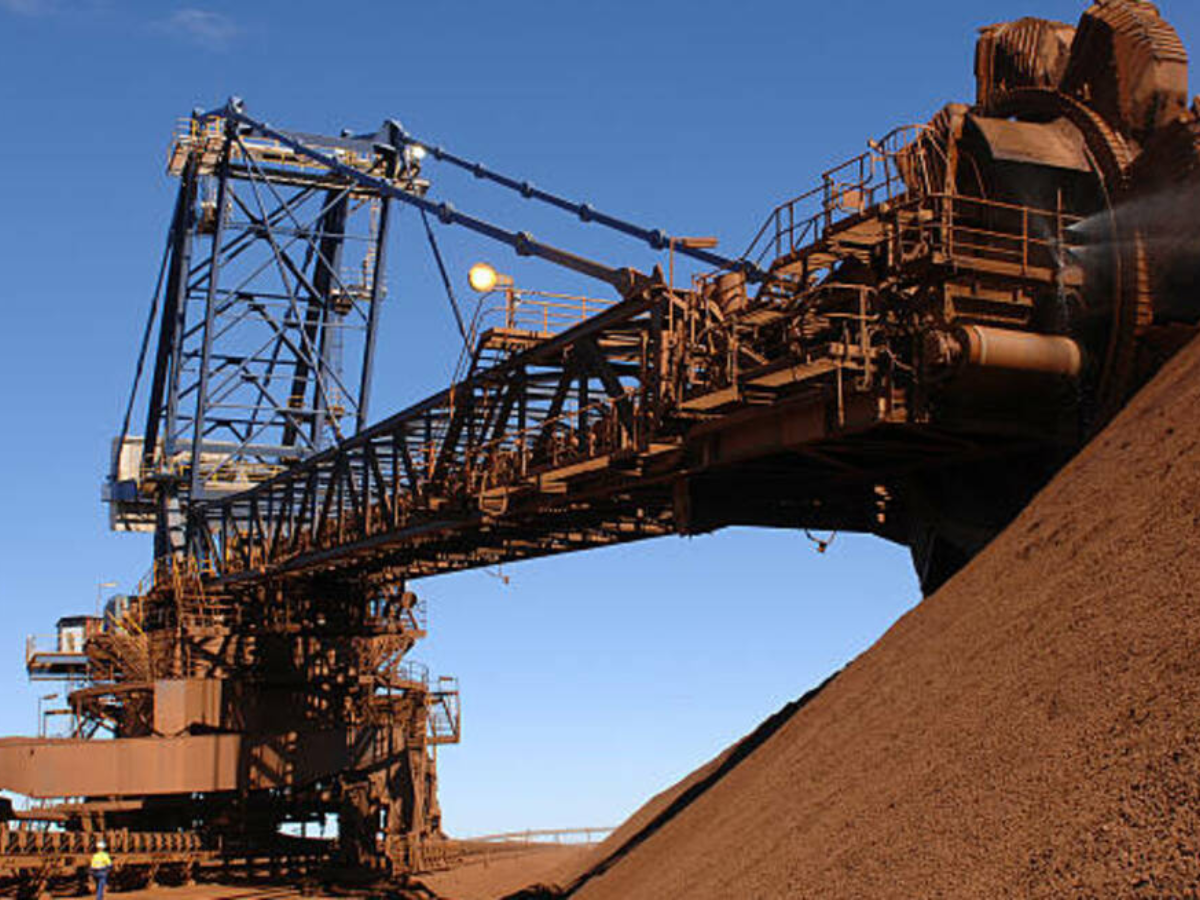


Know The Pilbara Region In Western Australia, The Largest Iron Ore Mining Province In The World, Its Large-Scale Operations, Integrated Infrastructure, And Massive Adoption Of Technology
The Pilbara region in Western Australia is the global epicenter of iron ore mining. Characterized by multiple large-scale iron ore operations, this vast province combines geological wealth with strategic development and continuous innovation, dominating the global supply of the essential input for the steel industry.
Understand the magnitude of operations in Pilbara, from its mining giants to shared infrastructure and massive technology adoption, which are central to its competitiveness. The region not only produces colossal volumes but also leads in automation and the pursuit of sustainability.
Pilbara, The Global Epicenter Of Iron Ore Production And Its Giants
Pilbara’s dominance as the largest iron ore province in the world is due to its vast Banded Iron Formations (BIFs). Its development was driven in 1960, with the lifting of the export embargo and demand from Japan. Today, Western Australia accounts for 38% of global iron ore supply (949 Mt in 2023), with Pilbara generating more than A$97 billion annually in exports, 80% of which goes to China.
-
China could reduce iron ore imports from 80% to 50% of consumption by 2030, while its share in global steel production falls from 52% to 46%, in a shift that could reshape the global market, says CMRG.

-
Brazil is sitting on one of the largest lithium reserves in the world, in the Jequitinhonha Valley, but national mining has almost become an appendage of China: 97% of the metal’s export goes to a single country, which also dominates refining.
-
Iron ore falls to 762 yuan in China as real estate sales decline and steel production hits lowest level since 2018
-
Brazil has minerals, clean energy, and a waiting market, but it could miss a billion-dollar opportunity if it doesn’t speed up the race for green minerals, while the steel industry seeks to reduce emissions.


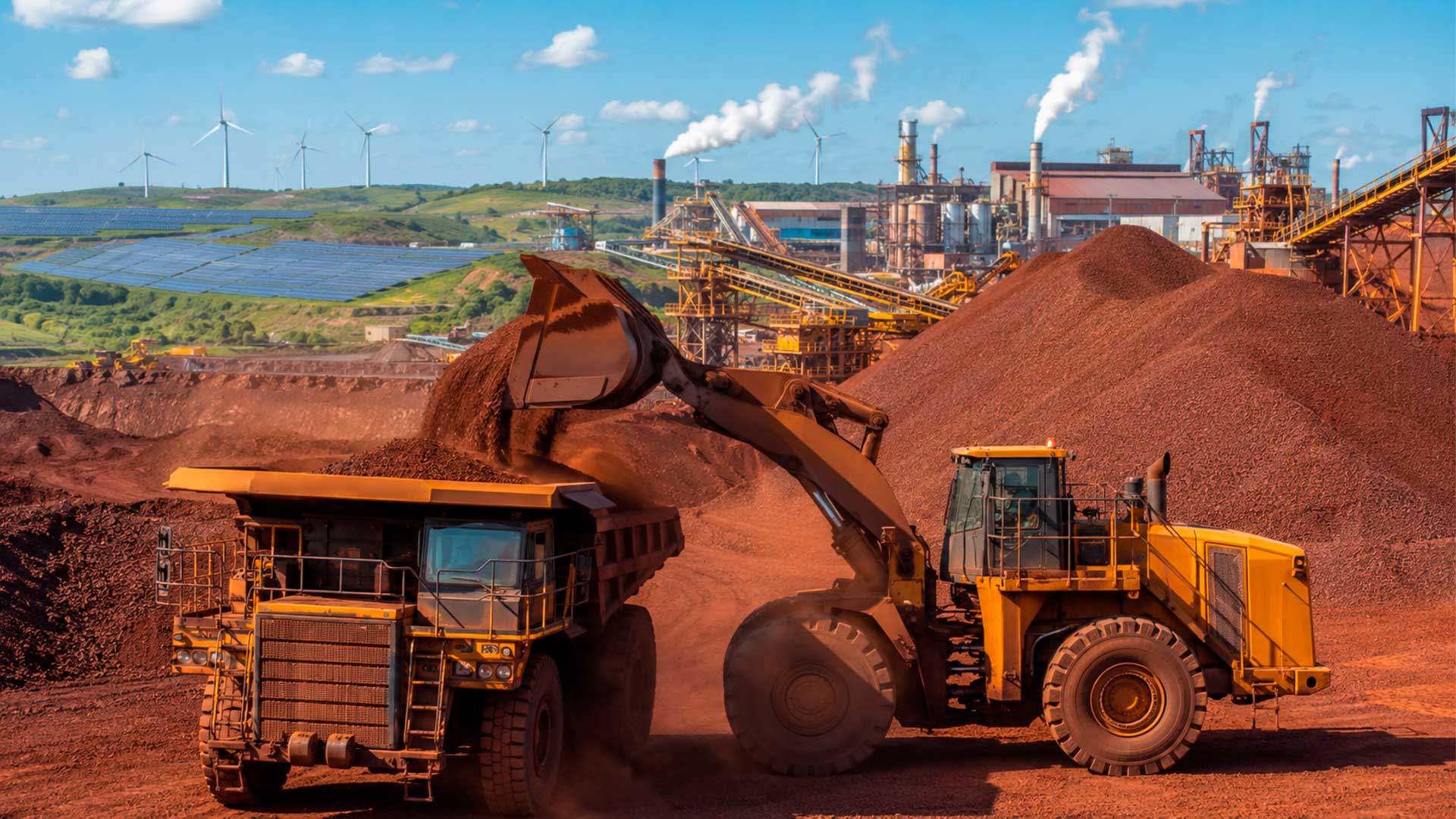
Operations are led by giants such as Rio Tinto (17 mines, 328 Mt production in 2024), BHP (WAIO, 5 mines, 290 Mt sales in 2024), and Fortescue Metals Group (FMG) (Chichester and Western Hubs, Iron Bridge, 194 Mt shipments in 2024).
Mines, Products And The Challenges Of Iron Ore Mining In Pilbara
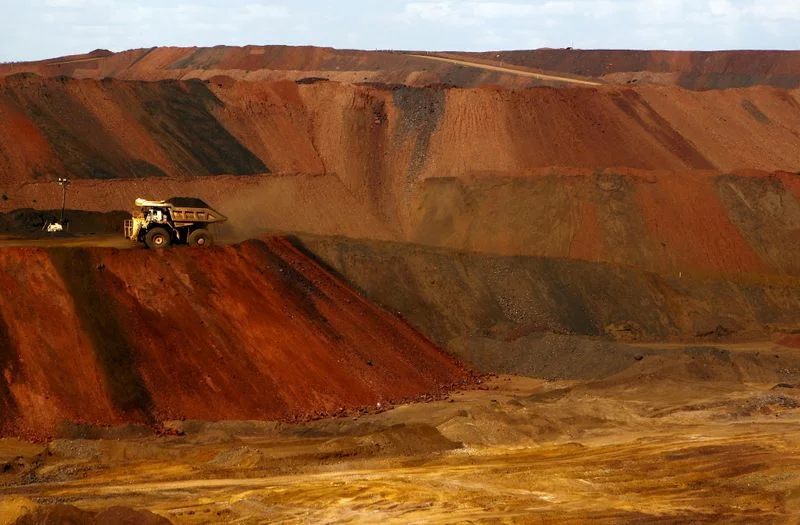
The Pilbara mines primarily extract hematite ore of the Direct Shipping Ore (DSO) type, which requires only crushing and screening. The products include fines (71% of production in 2024) and lump ore (26%), the latter being advantageous as it reduces emissions in steelmaking.
To sustain production, new projects such as Western Range (Rio Tinto), South Flank (BHP), and Iron Bridge (FMG, focused on high-grade magnetite) are crucial. The challenges include the depletion of high-grade mines, the need to maintain ore quality (the Pilbara Blend™ from Rio Tinto has had its grade lowered), and the impact of extreme weather events.
The Backbone Of Iron Ore Competitiveness In Pilbara
Pilbara’s competitiveness relies on its vast infrastructure. The three largest miners operate their own heavy haul rail networks, such as Rio Tinto’s AutoHaul™, the world’s first fully automated network. There is a trend towards greater shared use, particularly in ports, energy, and water.
The main port terminals are Port Hedland (the largest bulk port in the world, 544 Mt in 2024), Dampier (141 Mt), and Cape Lambert (163 Mt), all partially managed by the Pilbara Ports Authority (PPA). Projects such as Lumsden Point in Port Hedland aim to diversify exports. The energy infrastructure is transitioning to decarbonization, with the Pilbara Energy Transition Plan (PET Plan) and investments in solar energy by the miners. Water management, critical in an arid region, focuses on desalination.
Automation, Artificial Intelligence And Focus On Sustainability
Pilbara is a leader in technology adoption. Automation is massive, with fleets of autonomous trucks (AHS), trains, and drills, managed by Remote Operation Centers (ROC) in Perth, such as FMG’s “The Hive”. This enhances productivity, safety, and reduces costs.
Artificial Intelligence (AI) and data analytics optimize everything from mineral exploration to logistics and predictive maintenance. Technologies for sustainability are a focus: decarbonization (FMG aims for “Real Zero” emissions by 2030 with green hydrogen), production of “green metal” (electric furnaces), and advanced waste management (such as dry stacking). Innovative mining rehabilitation techniques include landscape modeling and aerial seeding by drones.
Competitiveness, ESG And The Legacy Of Iron Ore In Australia On The Global Scene
Pilbara maintains advantages such as ore quality and proximity to Asia. However, it faces challenges such as competition from the Simandou project (Guinea) and dependency on China. Environmental, Social, and Corporate Governance (ESG) issues are central, particularly relations with Traditional Owners (as in the case of Juukan Gorge) and environmental management.
Government policies (royalties, exploration incentives like the EIS) shape the sector. The future of iron ore in Pilbara will depend on the transition to more complex ores, focusing on higher value-added products and internalizing sustainability practices, consolidating the region not only as a producer but as a center of excellence in sustainable and technological mining.