






 Portuguese
  Spanish
 4 min of reading
  0 comments


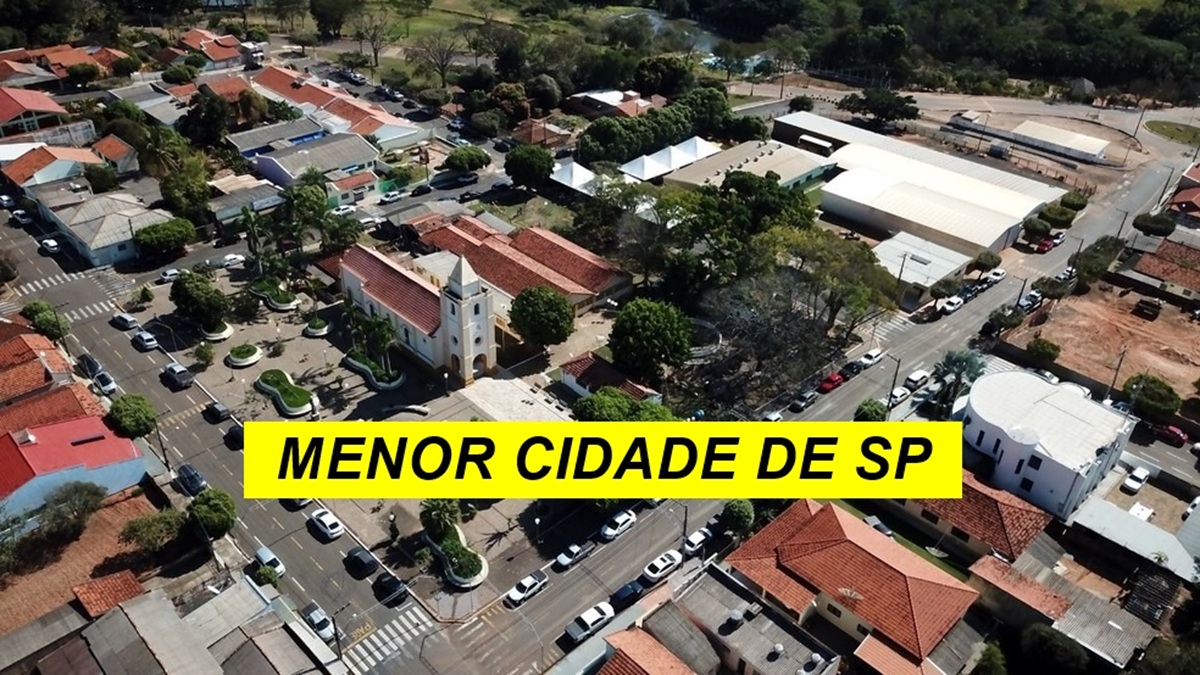
With just over 900 inhabitants, the smallest city in São Paulo celebrates six decades of history maintaining a peaceful lifestyle, without traffic, without stoplights, and with streets that can be crossed in a few minutes.
Without traffic, with few streets and no stoplights, Borá (SP) celebrates this Monday (31) six decades of political emancipation. The municipality, recognized as the smallest city in the state and the second smallest in the country, currently has 907 inhabitants, according to the 2022 Demographic Census released by IBGE. This number represents a growth of 12.7% compared to the 805 residents recorded in 2010.
Since 2013, Borá has surpassed only Serra da Saudade (MG) in population, which has 833 inhabitants. Even small, the city has shown population growth along with the mining municipality— the only ones among the five smallest in Brazil to record growth in the last survey.
Voters Outnumber Inhabitants
According to the Superior Electoral Court (TRE), Borá has 1,094 voters, a number higher than the total number of residents. According to TREs, this difference may occur due to discrepancies in population estimates, migrations, or due to the retention of voter registrations of people who have left the city without updating their address.
-
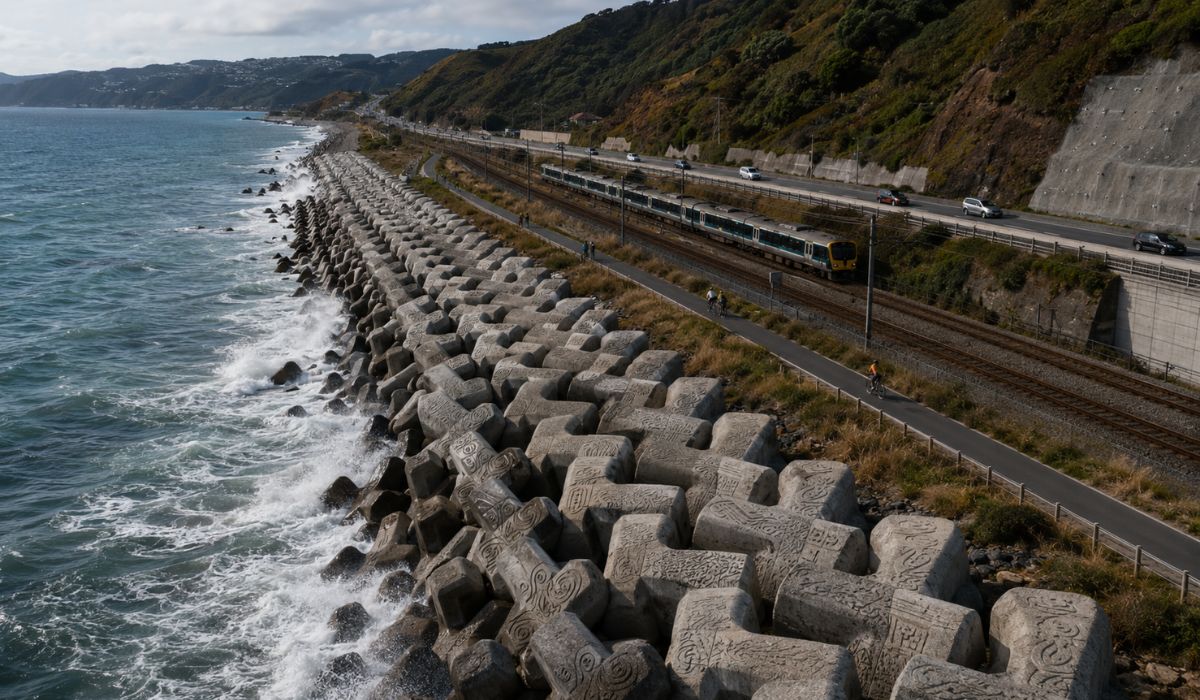
New Zealand aligns nearly 7,000 X-shaped concrete blocks like puzzle pieces to protect railway, highway, and cycle path against waves, erosion, and earthquakes on one of Wellington’s most sensitive coasts.

-
Man buys an old Cold War nuclear missile complex online, faces water, methane, and 10 years of underground renovation, invests $800,000 and transforms the launch control center into a luxury Airbnb with bedrooms, kitchen, cinema room, and underground party space.
-
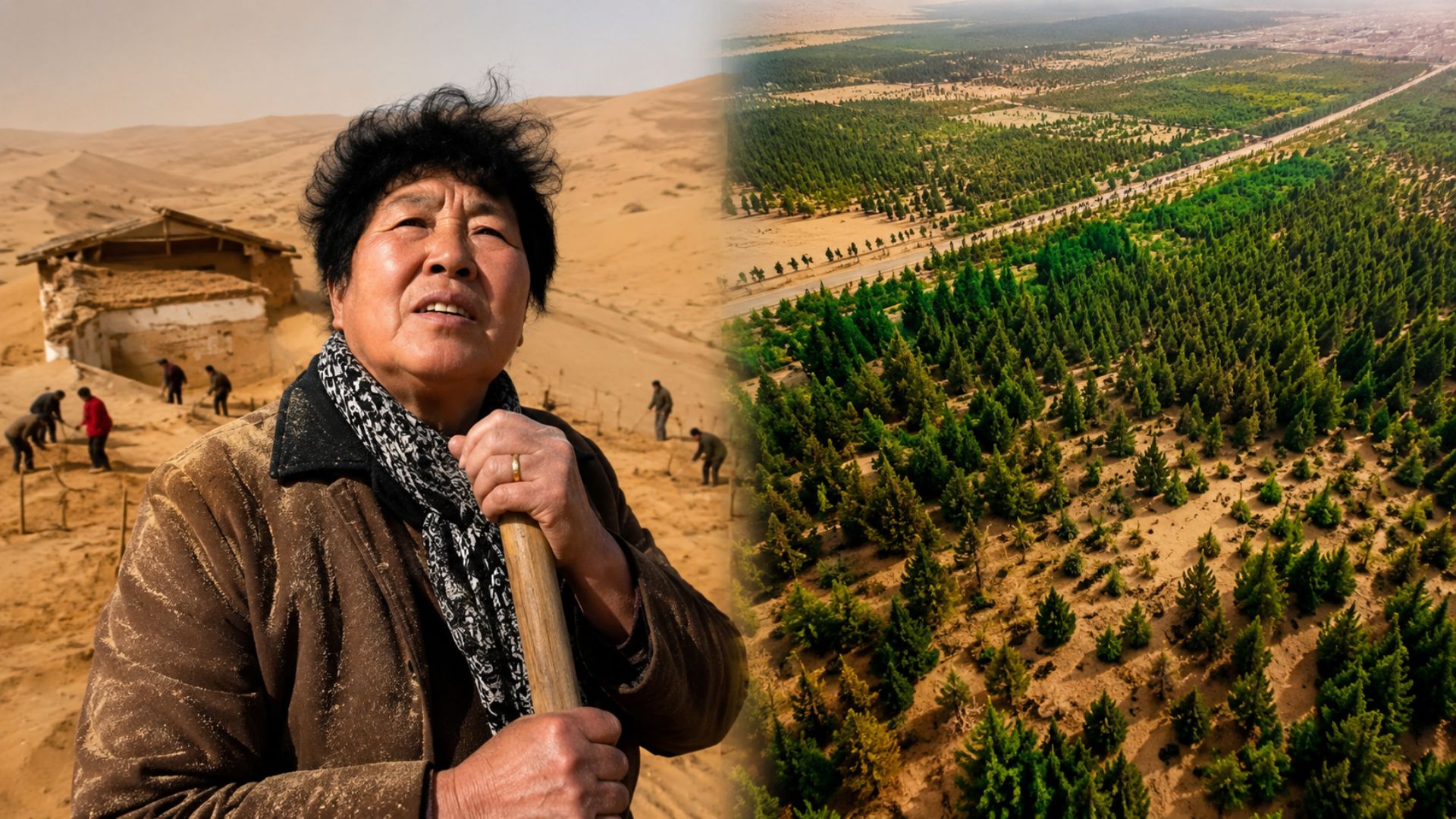
Chinese woman planted trees for decades while sand buried part of her house, received $5,000 from an American in 1999, and helped transform the desert into a forest of 8 million trees in China.

-
Mother and daughters overcome grief, illness, and financial crisis in three businesses and increase the family’s income: learn the story of the family that overcame the crisis by betting on entrepreneurship



Education and Basic Structure
The city has only one State School and one EMEI. The classrooms are small: they range from six to nine students, and the largest has 20 students.
The municipality also has a single Basic Health Unit (UBS), which offers only primary care. More serious cases are referred to Paraguaçu Paulista (SP), where the Santa Casa operates.
Public transportation is limited but free. There is only one intermunicipal line that connects Borá to Paraguaçu Paulista, covering about 18 km.
A City Without Stoplights
Borá has 32 streets, and it is possible to cross the municipality from end to end in about 10 minutes. To travel all the streets, the average time is 30 minutes. There are no stoplights, and traffic is virtually non-existent.
Origin and Curiosities
The name Borá comes from a bee that proliferated in the region in the early 20th century. In 1970, the municipality had 1,270 inhabitants and was the tenth least populated in the country. Ten years later, it moved to second place, with 866 residents.
Until 2017, those born in the city were registered in Paraguaçu Paulista, as Borá did not have a maternity hospital. However, a change in the law allowed the registration of Borá residents in their own city.
Top 5 Smallest Cities in the State
The smallest cities in São Paulo reveal a little-known side of the most populous state in Brazil: small municipalities where tranquility and a sense of community still define the rhythm of life. Despite being surrounded by large urban centers, these places resist time and maintain unique characteristics that reflect the diversity of the interior Paulista.
As mentioned in the article, the smallest of all is Borá, with about 907 inhabitants.
Next is Nova Castilho, in the northwest of the state, with just over 1,060 residents.
The local economy is supported by agriculture and livestock, activities that shape the daily life of its inhabitants. With few buildings and a slowed-down pace, the city retains the typical atmosphere of a rural village.
In third place is Uru, with approximately 1,380 inhabitants. Located near Bauru, the city has wide tree-lined streets and is surrounded by crops and agricultural properties. The simplicity of rural life is one of the biggest attractions for those seeking refuge from the hustle of the cities.
In fourth place is Flora Rica, with about 1,480 residents, located in the far west of São Paulo. Founded in the 1940s, the municipality developed around coffee cultivation and still maintains a sense of a united community where everyone knows each other and participates in local festivities.
Closing the ranking is União Paulista, with approximately 1,500 inhabitants. The city preserves traces of Italian and Spanish colonization, visible in the simple architecture of the houses and in the welcoming spirit of its residents. Small but organized, União Paulista symbolizes the balance between tradition and modernity that characterizes the interior of the state.
These five cities show that even in a state marked by large industrial and urban centers, there is still space for tranquility, close-knit relationships, and pride in belonging to small communities — where time seems to pass more slowly, and everyone knows the name of each resident.


-

-

4 people reacted to this.