Portuguese
  Spanish


Inspired by The Efficiency of the Albatross and Powered by Liquid Hydrogen, French Project Develops The First Unmanned Electric Aircraft Capable of Crossing The Atlantic.
A drone weighing only 25 kilograms with the ability to cross oceans. This is the promise of the Mermoz Drone, a project developed in France. The unmanned aircraft could be the first of its kind to achieve such a feat. It is designed to cover up to 3,200 kilometers without interruptions.
Mermoz Drone Takes Inspiration from The Flight of The Albatross and Honors The History of Aviation
The design of the Mermoz Drone is electrically powered. Its conception was inspired by the flying techniques of the albatross. This seabird takes advantage of atmospheric turbulence to glide and cover nearly 1,000 kilometers a day. The technique allows the bird to reduce effort and save energy during flight.
The project is an initiative of researchers and students from the Higher Institute of Aeronautics and Space (Isae-Supaero) in Toulouse. The name is a tribute to pilot Jean Mermoz. In May 1930, he made the first commercial crossing of the South Atlantic, flying from Senegal to Brazil, marking a significant advancement for aviation.
-
Brazilian scientists are simultaneously advancing two research projects on clean hydrogen and driving solutions that could transform the energy matrix, enhance industrial competitiveness, and accelerate large-scale emission reduction targets.

-
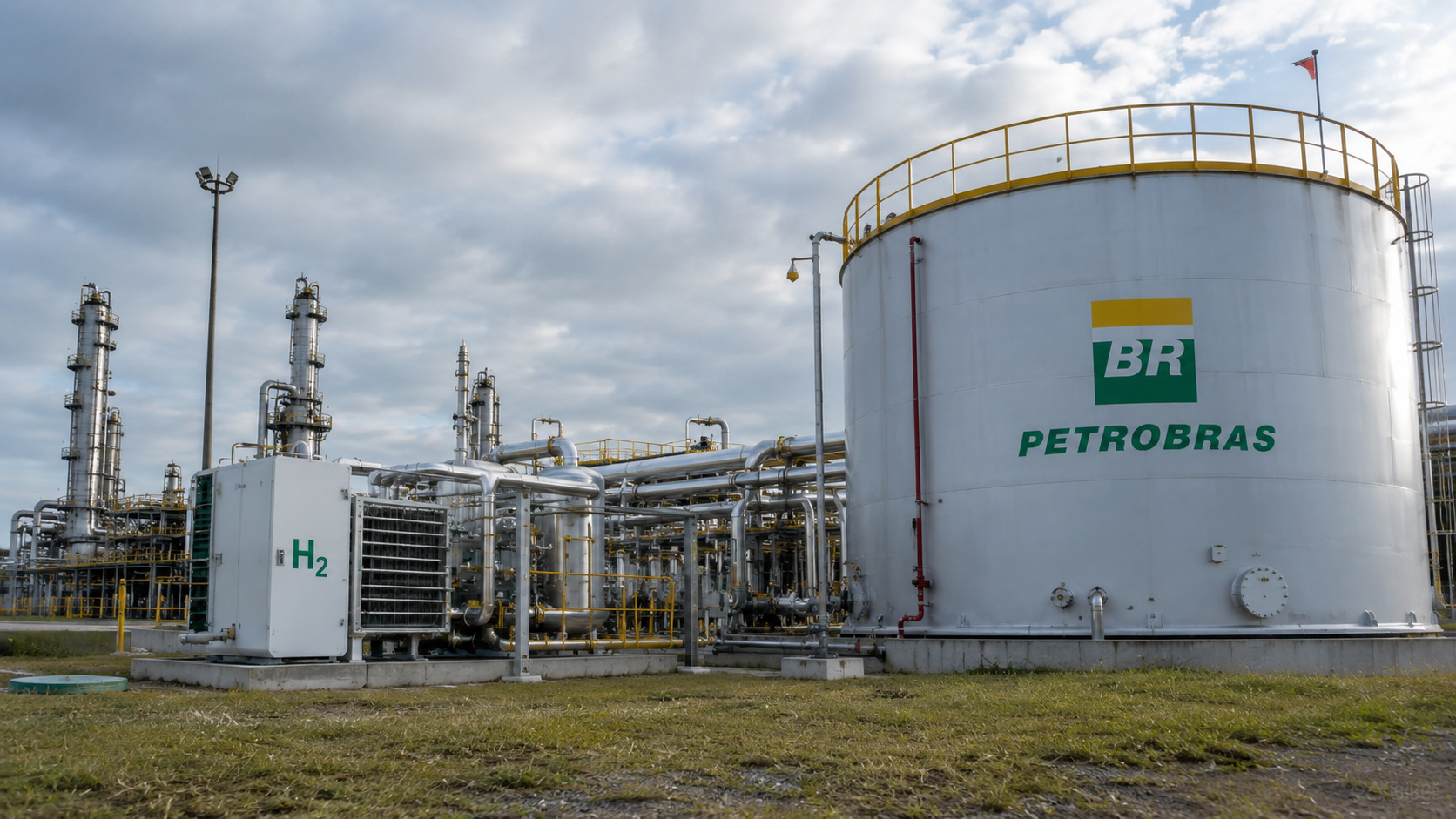
Advancement in renewable energy: A R$ 150 million project launched by Petrobras and Finep aims to create state-of-the-art electrolyzers for green hydrogen, strengthening national research and preparing Brazil to compete in a billion-dollar energy market.
-
Illiterate or semi-literate grandmothers were trained to repair solar systems, open rural workshops, and light up homes that still depended on kerosene.
-
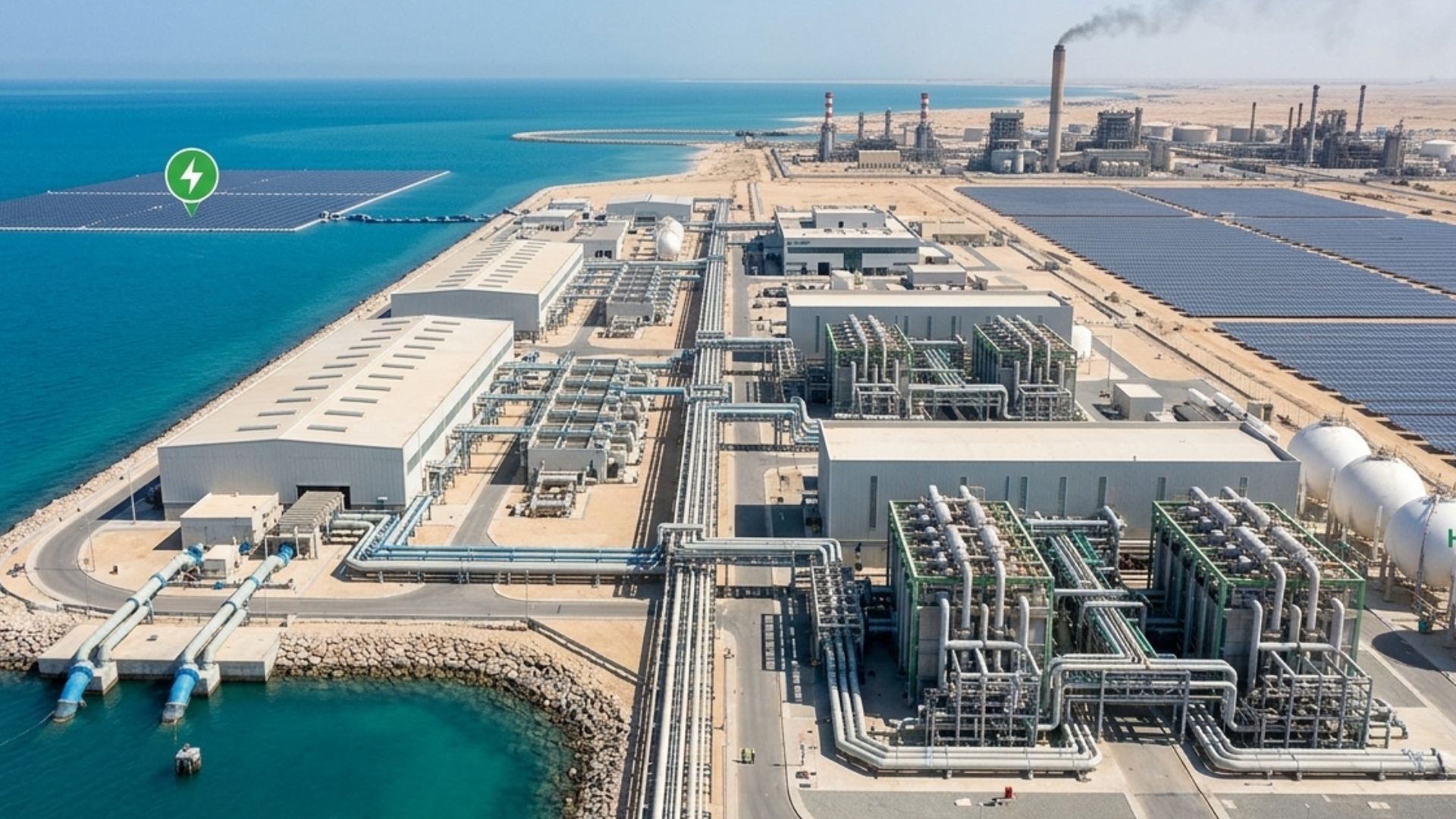
The world has bet on green hydrogen as the fuel of the future, but now faces the side effect: producing 1 kilogram requires about 9 liters of ultrapure water, and the largest projects on the planet are precisely in the driest regions of the Earth, where water is already scarce for people.



The Revolution of Liquid Hydrogen in Flight Autonomy
Currently, unmanned electric aircraft have limited range and autonomy. The cause is the low energy density of lithium batteries. Therefore, the new project bets on the use of hydrogen fuel cells. This is a clean energy source that can help in the decarbonization of the global energy matrix.
Hydrogen cells have several advantages over lithium batteries. They provide about five times more energy per hour of flight for the same weight. In addition, they offer greater operational reliability and require less maintenance than internal combustion engines.
Challenges and Technological Solutions of The Project
One of the main technical challenges of using hydrogen cells is the dissipation of the heat generated. To overcome this limitation, researchers created a prototype that uses hydrogen in liquid form. This solution also helps to enhance the autonomy of the aircraft.
The drone will be equipped with a satellite communication system. According to Nikola Gavrilovic, a postdoctoral researcher at Isae-Supaero, this will allow “to load and update the route based on different weather conditions”.
Applications and The Promising Future of The Mermoz Drone
The innovative characteristics of the Mermoz Drone make it promising for a variety of applications. It could be used in commercial, civilian, and military contexts. Its ability to fly for long periods, with low noise levels and without the need for frequent landings, opens up a new range of possibilities for unmanned aircraft.