






 Portuguese
  Spanish


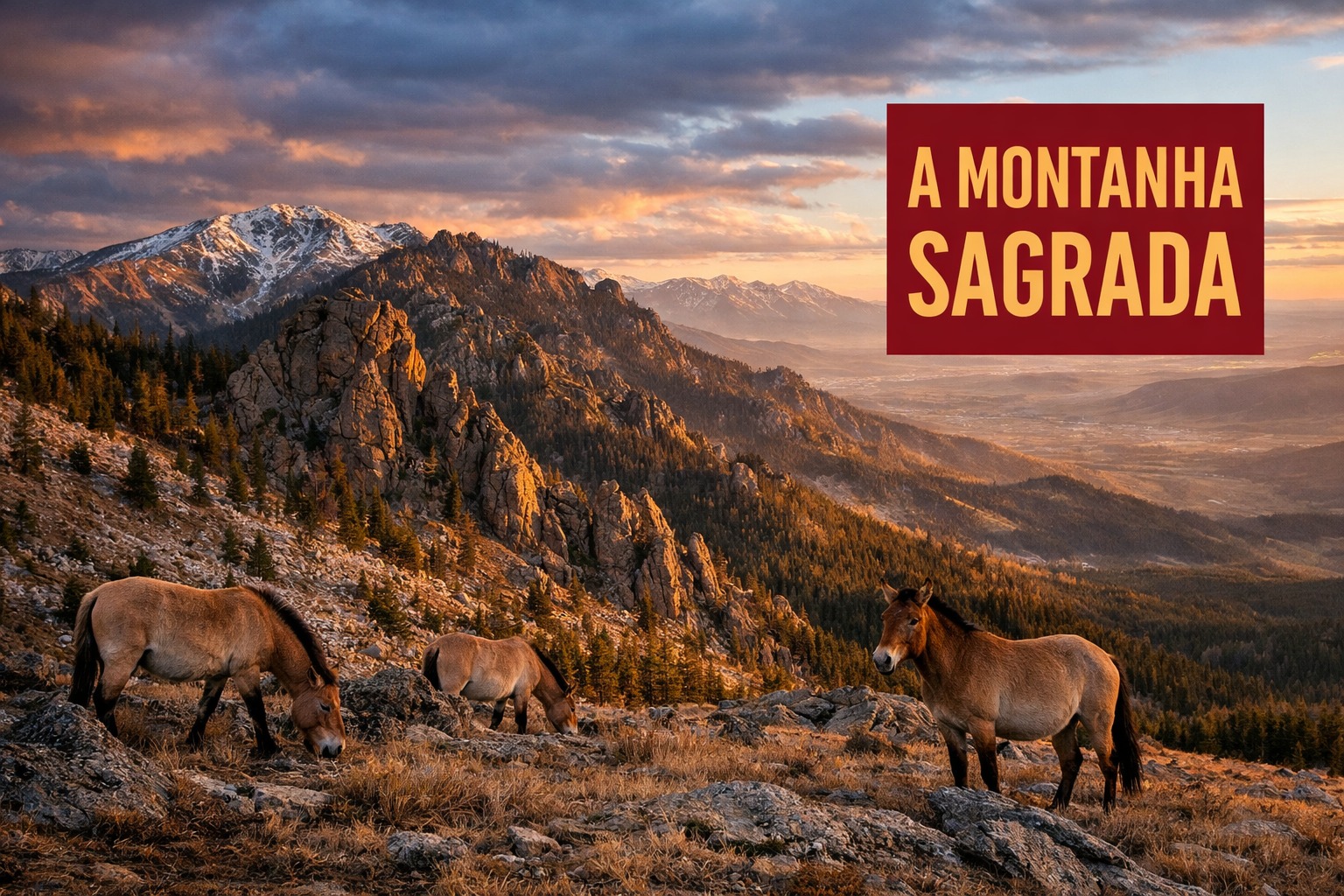


On The Sacred Mountain Bogd Khan, Przewalski Horses Live Free, Proving That Science, Tradition, And Respect Can Save Species On The Brink Of Extinction
Mongolia is home to one of the last successful stories of animal resilience in a virtually untouched setting for millennia. On the sacred mountain of Bogd Khan, wild horses live today in complete freedom, after decades on the brink of extinction.
These animals represent the only lineage of horses ever domesticated by humans, maintaining absolute genetic purity.
According to National Geographic, the survival of the species results from coordinated global conservation and reintroduction efforts.
-
Women in São Paulo Unknowingly Tracked by Coin-Sized Tags Hidden in Cars and Belongings, Raising Stalking Concerns

-
Near a $750 million AI data center in Brazil, a resident’s well runs dry, leaving her unable to afford the $25,000 needed for repairs.

-
16-Year-Old from Brazil’s Sertão Wins Young Scientist Award for AI Predicting Rainfall with 94.5% Accuracy to Aid Farmers
-
Netherlands Reports First Child Euthanasia Case Since Rule Expansion for Minors


The site has become a worldwide symbol of how cultural tradition and science can coexist to save endangered species.
Survival That Defies Time
The Przewalski horse faced a real risk of complete disappearance during the 1960s. The species was declared extinct in the wild due to hunting and rapid habitat loss.
In 1990, horses bred in captivity returned to the Mongolian steppes in a careful process.
The reintroduction occurred with absolute success, according to National Geographic, consolidating a historic milestone.
Today, in 2026, the stabilized population lives autonomously within the Bogd Khan reserve. Scientists observe the social behavior of these groups as in an open-air living laboratory.
The Sacred Significance of Mount Bogd Khan
The spiritual tradition of Mongolia attributes mystical powers to certain ancestral rock formations. Therefore, Mount Bogd Khan was elevated to the status of a national sanctuary.
Environmental laws in the region are among the oldest in the world, dating back to the 18th century.
This protection prevents predatory exploitation and ensures a safe environment for local wildlife.
The secular respect of the inhabitants ensures that animals do not suffer aggressive human interference.
Characteristics of Wild Horses
The horses have a robust physical structure, adapted to the harsh winters of the Asian steppes. They withstand temperatures below minus 40 degrees without compromising survival.
Their natural coloration favors camouflage against predators on rocky slopes. Genetically, they have 66 chromosomes, two more than the common horse.
The herd behavior is highly organized and cooperative. Leaders protect the young in the face of any imminent external threat.
The survival of the species directly depends on this social and territorial integrity.
Protection of Local Biodiversity
The management of the reserve focuses on constant monitoring of animal populations and also prioritizes the recovery of any degraded native vegetation.
Regular patrols prevent illegal hunting and maintain the ecosystem in a healthy balance. The project has become a model for other global conservation initiatives.
Thus, Bogd Khan is not just a refuge but a bastion of hope. In addition to the horses, resilient grasses and shrubs support the entire local food chain.
The history of the mountain and the species remains a silent testament to collective resilience.
With information from Olhar Digital.


