






 Portuguese
  Spanish


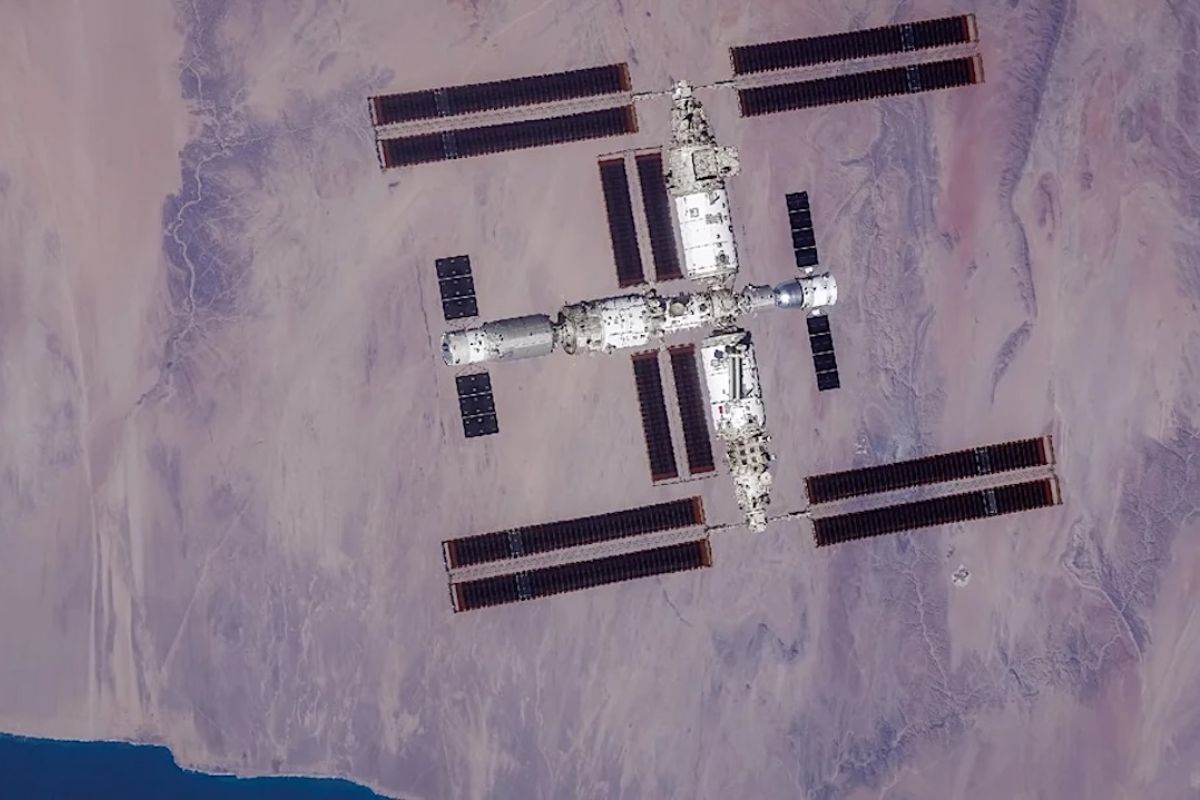

The Presence Of Microbes In Space Stations Is Expected, But The Discovery Of A New Species Of Bacteria Raises Concerns To A New Level, Bringing Uncertainties And Unknown Risks For Astronauts And Missions.
Microorganisms Are Inevitable Companions Of Humans, Even In Space. The International Space Station (ISS) And Other Orbital Platforms Host Microbes That Adapt To Extreme Conditions. However, The Real Alert Arises Not Only From Finding Bacteria, But When It Comes To A New Species Of Bacteria.
See Why Microbial Novelty In Space Is A Significant Problem, Analyzing Case Studies Like That Of Niallia tiangongensis, The Risks Involved And The Challenges For Future Space Exploration.
Niallia tiangongensis: The Case Study Of A New Species Of Bacteria On The Tiangong Space Station
Scientists Identified Niallia tiangongensis, A Previously Unknown Strain, In Samples From The Chinese Tiangong Space Station Collected During The Shenzhou 15 Mission (2023). This Aerobic, Spore-Forming And Rod-Shaped Bacteria Belongs To The Genus Niallia. Its Adaptations To The Space Environment Are Remarkable: Increased Ability To Handle Oxidative Stress And A Unique Capability To Form Biofilms That Protect It From Radiation And Aid In Damage Repair.
-
3-Billion-Year-Old Crater May Be Earth’s Oldest Known, with Tiny Minerals Helping Scientists Solve a Billion-Year Mystery

-
Giant Asteroid Impact Crater in Australia Suggests Possible “Gold Rain” 790,000 Years Ago

-
Construction Begins on First U.S. Modular Nuclear Reactor, Smaller Than a Sports Court
-
Dutch Innovator Develops Dual Battery and Electrolyzer Machine for Solar and Wind Energy Storage, Raises €30 Million Following 1 MW Pilot


N. tiangongensis Is Phylogenetically Close To The Terrestrial Niallia circulans, Known To Cause Infections In Immunocompromised Individuals. This Raises Serious Concerns About The Potential Pathogenicity Of The New Species, Especially Because Astronauts May Have Altered Immune Systems In Space.
The Space Environment As An Evolutionary Field For Microbes And Their Dangers

Space Stations, With Microgravity, Cosmic Radiation And Confinement, Act As “Evolutionary Greenhouses.” These Selective Pressures Can Drive Accelerated Microbial Evolution, Leading To The Emergence Of New Characteristics. Research Has Documented Concerning Changes Such As Increased Virulence (Salmonella typhimurium), Higher Growth Rates (Serratia marcescens), And Antibiotic Resistance (Escherichia coli, Klebsiella pneumoniae) In Microbes Exposed To The Space Environment.
The Formation Of Biofilms Is An Enhanced Threat In Space. These Biofilms Can Cause Corrosion Of Ship Materials, Contaminate Life Support Systems, And Increase Bacterial Resistance And Pathogenicity. The Ability Of N. tiangongensis To Form Biofilms Optimized For Space Is An Example Of This Challenge.
Monitoring And Protection: Dealing With A New Species Of Bacteria And Other Microbes In Space
Space Agencies Like NASA, Roscosmos, JAXA, And The Chinese Agency Have Programs To Monitor The Microbiota Of Their Stations, Using Techniques Such As Genomic Sequencing And Metagenomic Analysis. When A New Species Of Bacteria Is Detected, Molecular Analysis And Bioinformatics Protocols Are Applied To Characterize It.
The Planetary Protection Policies, Such As Those Of COSPAR And NASA, Aim To Prevent Contamination Of Other Celestial Bodies And Protect Earth From Biological Hazards In Sample Return Missions. However, There Is A Debate About The Applicability Of These Policies To A New Species Of Bacteria Evolving In Low Earth Orbit (LEO) Stations And Not Coming From Another Celestial Body.
Lessons From The Past And Imperatives For The Future Of Safe Space Exploration

The Discovery Of Niallia tiangongensis Is Not An Isolated Case. In 2021, Three New Strains Of Methylobacterium ajmalii Were Identified On The ISS, With Biotechnological Potential. Additionally, Unknown Extremophiles Were Found In NASA Clean Rooms, Challenging Sterilization Methods. These Discoveries Reinforce That Microbial Life Is Tenacious And That “Sterile” Is A Relative Concept.
For The Future, It Is Crucial To Advance Microbial Detection And Diagnosis In Flight, With Technologies Such As In Situ Sequencing. There Is A Need To Strengthen The Risk Assessment And Containment Protocols For A New Species Of Bacteria, As Well As Reevaluate Sterilization Strategies And Improve Planetary Protection For Human Missions.


