Portuguese
  Spanish


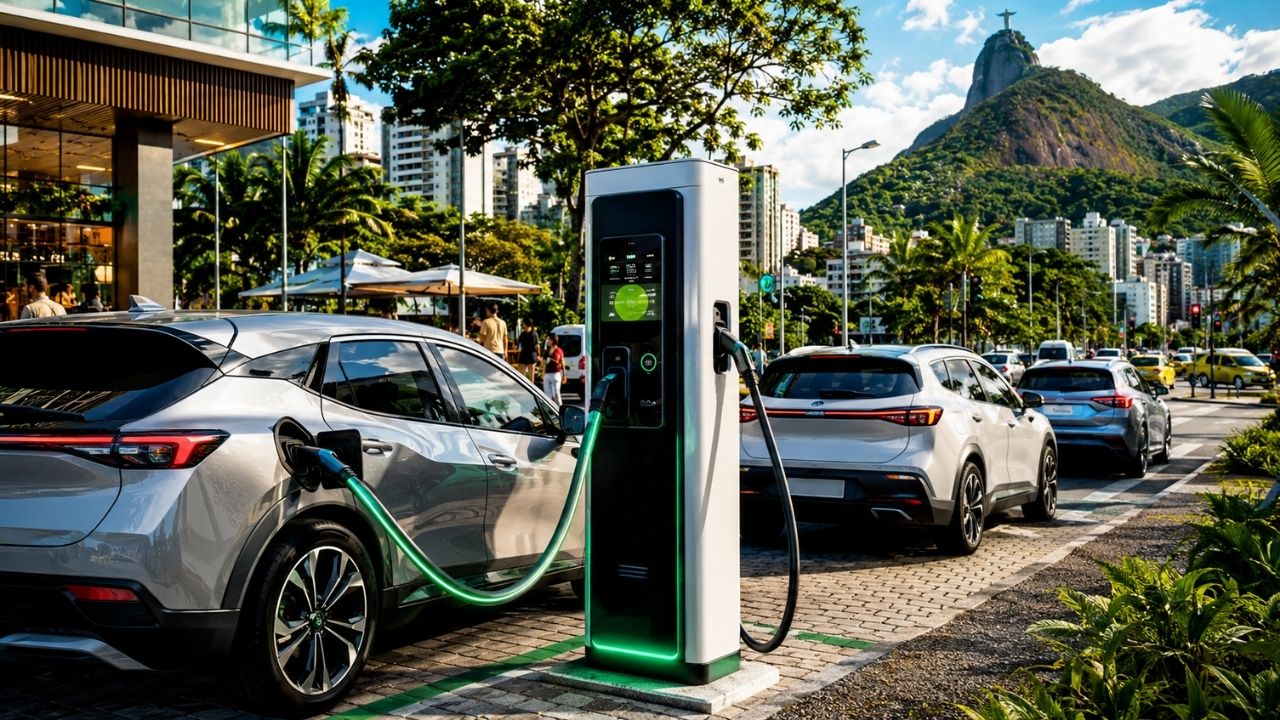

The analyzed charging station combines fast charging, a 60 kW charger, and demand from electric drivers to seek R$ 21,600 per month in a strong scenario. The simulation shows an investment of R$ 171,000, energy cost, maintenance, nearby convenience, and risk of an empty spot.
The charging station became the subject of analysis in a video by entrepreneur Mateus Avelar, who visited a fast charging point in Patos de Minas, Minas Gerais, and then conducted simulations on a 60 kW charger. The account shows how electric drivers can sustain up to R$ 21,600 per month in gross revenue in a strong scenario.
According to a video published by the Matheus Avelar channel on YouTube, the analysis was conducted based on conversations with charging station owners, market research, and observation of real use on site. The study considers an urban model, primarily aimed at app drivers, professionals who drive a lot during the day, and people passing through the city needing a quick charge to continue their journey.
Fast charger changes the logic of urban charging
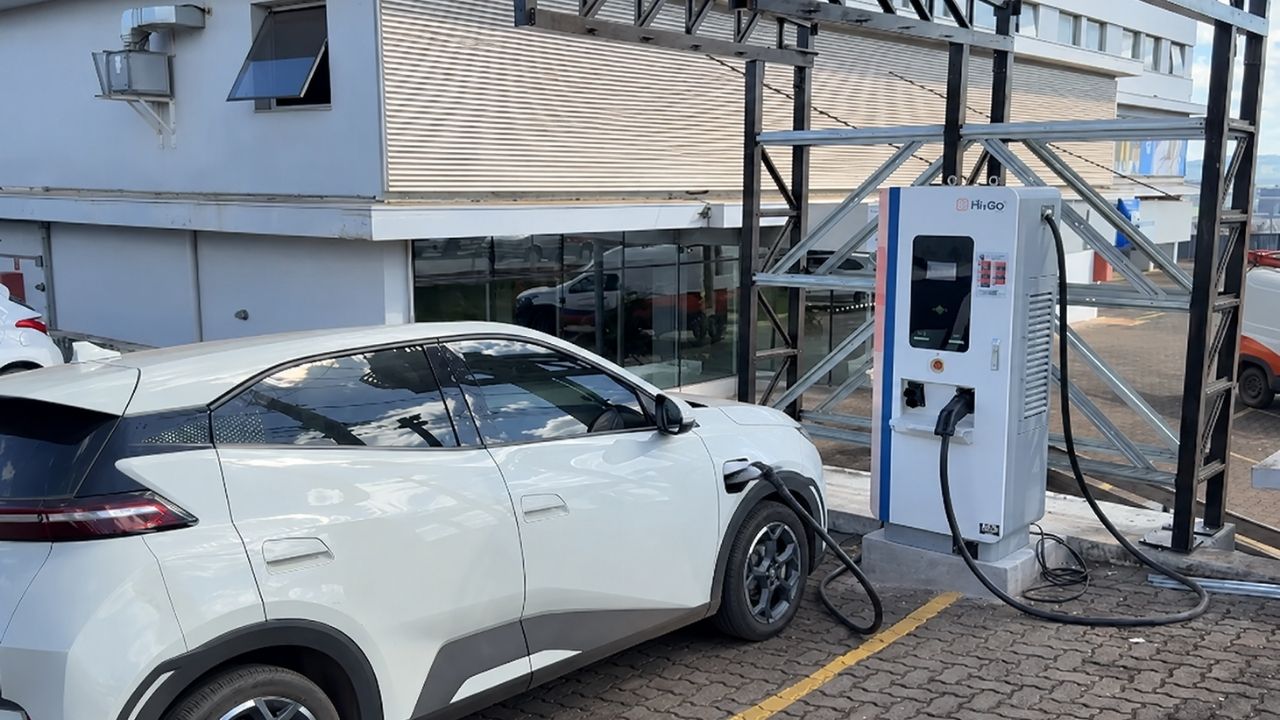
The charging station shown in the video operates with fast charging, different from slow residential charging. According to the explanation presented, the 60 kW charger can replenish energy at a speed sufficient to serve those who cannot wait many hours.
-
3,000-Ton, 81-Meter Attack Submarine Begins Sea Trials, Equipped with Heavy Torpedoes and Anti-Ship Missiles

-
Boat Made from 10 Tons of Plastic and 30,000 Discarded Flip-Flops Sails Along African Coast, Serving as a Floating Classroom on Ocean Pollution
-
Welder Discovers 16th-Century Diamond Ring in England After 7 Hours with Metal Detector; Gold Jewel Linked to Edward I Pattern Auctioned for £17,000
-
Brazilian Civil Servant Earns $2,800 Monthly but Seeks Legal Help as Bank Loans Consume Nearly 80% of Income





This detail is crucial for app drivers. Those who work with electric cars during the day cannot rely solely on the charge made at home, because the battery may run out before the end of the shift. In this case, fast charging becomes a work tool, not just a convenience.
Full spot can transform demand into revenue
At the visited location, the presenter highlighted that he often sees cars charging frequently, especially during peak hours. A driver interviewed in the video stated that he uses the spot because he works with an app and needs to quickly regain autonomy to continue driving.
The account also shows that when there are two vehicles charging, a third one needs to wait. This type of queue indicates a suppressed demand for electric drivers, but also reinforces that the success of a charging station directly depends on the location, the flow of electric cars, and the lack of quick alternatives nearby.
Initial investment was estimated at R$ 171 thousand
In the financial simulation, the total cost to install an urban charging station of 60 kW was estimated at around R$ 171 thousand. This amount includes the equipment, electrical infrastructure, network reinforcement, cabling, protection panels, grounding, concrete base, signage, lighting, cameras, electrical project, approvals, and specialized labor.
In practice, the 60 kW charger is the center of the investment, but it depends on adequate infrastructure to operate safely. Without a prepared network, correct cabling, and electrical protection, the charging station may face technical problems and revenue loss.
The equipment appears as the most expensive item on the bill. It also includes expenses with electrical adaptation, management technology, and minimal structure to operate safely. The analysis makes it clear that it is not enough to buy the charger: the spot needs to be prepared to handle high energy demand.
Cheap energy is the center of the account
The video considers a selling price to the final customer of R$ 2 per kWh supplied. For the cost of purchased energy, the simulation uses R$ 0.84 per kWh, an estimated value based on a discount on the electricity bill within group B.
This difference creates a gross margin of R$ 1.16 per kWh sold. However, this margin still needs to cover card fees, platform, taxes, spot rental, internet, insurance, management, and preventive maintenance. Therefore, the real profit of the charging station depends heavily on the cost of energy.
Median scenario forecasts R$ 14.4 thousand in gross revenue
In the considered median scenario, the charging station operates 4 hours a day. With this occupancy, the estimated monthly gross revenue reaches R$ 14.4 thousand. After the energy cost, calculated at R$ 6,048, the gross margin would be R$ 8,352 before other expenses.
After card fees, platform, taxes, spot rental, internet, insurance, management, and preventive maintenance, the projected net profit drops to R$ 3,276 per month. In this scenario, the estimated simple payback is 4.4 years, or about 52 months.
Strong scenario can reach R$ 21.6 thousand per month
In the most optimistic scenario, the 60 kW charger operates 6 hours a day. The gross monthly revenue rises to R$ 21,600 per month, while the energy cost increases to R$ 9,072. The estimated gross margin is R$ 12,528 before other expenses.
With the same fixed and variable costs, the projected net profit reaches R$ 6,264 per month. The difference of just 2 more hours of daily use reduces the payback to about 27 months, showing how the equipment’s occupancy completely changes the business’s attractiveness.
Passive income exists, but it is not automatic
The charging station is presented as a recurring passive income business, but the video itself warns that the operation should not be treated as a risk-free investment. The demand from electric drivers helps, but the charger still requires maintenance, management, monitoring, and a good choice of location.
The main risk is installing the infrastructure where demand is not sustainable. If the location does not have enough electric drivers, commercial flow, or real need for fast charging, the charger may remain idle and significantly extend the return period.
Solar plant can improve the business margin
One of the suggestions presented is to combine the charging station with a solar plant. The logic is simple: if the investor produces part of their own energy, they can reduce acquisition costs and increase the margin per kWh sold.
This hybrid model creates a link between generation and consumption. The investor does not rely solely on selling energy to the grid or discounts on the electricity bill, as they have a direct outlet for the generated energy. When well-structured, this combination can strengthen the viability of the charging station.
Comfort at the location can decide the driver’s preference


Another important point is the user experience. The video warns that an isolated charging station, without convenience, café, bakery, supermarket, or waiting area, may lose strength to competitors offering more comfort.
Charging takes time, even when it’s fast. Therefore, the driver tends to prefer places where they can eat, resolve something, or wait safely. Energy for energy, convenience can be the differentiator that retains the customer.
Market still depends on the evolution of electric cars
The analysis also points to a long-term risk: the technology of batteries is evolving. If, in the future, electric cars come to have much greater autonomy and more efficient home charging, the need for some urban charging stations may change.
This does not mean that the business does not make sense today. It means that the investment needs to be planned with caution, especially in cities where the electric fleet is still small or where demand depends on a few professional drivers.
Would you invest in an urban charging station as a source of passive income, or do you think the risk is still high while the electric car market grows in Brazil? Leave your opinion in the comments.