






 Portuguese
  Spanish


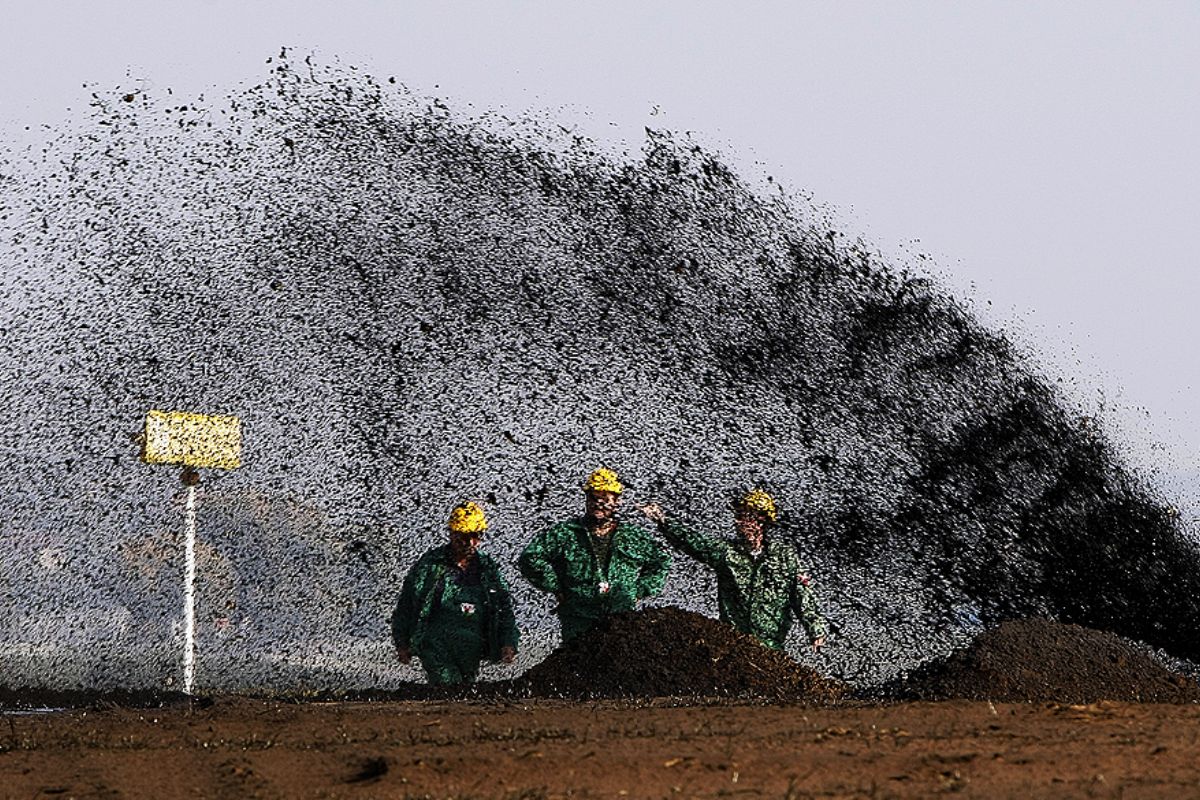


The Basin in Texas, With Its Controversial Hydraulic Fracturing Technique, Reshaped Global Energy but Faces Maturation and Environmental Challenges.
The story of energy in the 21st century has been rewritten, not in the sands of the Middle East, but in the plateaus of western Texas and New Mexico. The rise of the Permian Basin, once a declining oil-producing region, to the world’s most prolific field is one of the most disruptive events in modern history, transforming the U.S. into the largest global producer and challenging decades of OPEC dominance.
This revolution was only possible because the industry mastered a controversial engineering technique, ‘fracking’, which acts as a key to unlock vast oil reserves trapped in rock. However, this monumental success comes at a cost, generating intense debate about its environmental and social impacts, while the basin, by 2025, begins to show its first signs of maturity.
What Is the Permian Basin and Its Unique “Stacked Plays” Geology?
The Permian Basin is not a recent discovery; it has been producing oil since the 1920s. What has changed is the ability to explore its more complex resources. The basin is a vast area of approximately 230,000 km² that spans Texas and New Mexico.
-
Award-Winning Japanese Restaurant Reveals It Has Preserved Part of the Same Frying Oil for 66 Years

-
American Youth Transforms from Severe Obesity to U.S. Air Force Enlistment, Losing 90 Kilograms in Two Years
-
11-Year-Old Entrepreneur Sells 60 Homemade Sweets Daily, Mastering Cost Calculation, Social Media Promotion, and Client Negotiation Since Age 7

-
Peruvian Mountain’s 5,200 Aligned Holes May Unveil Ancient Indigenous Market for Corn and Cotton


Its main geological feature, which makes it a super giant, is what engineers call ‘stacked plays’ — imagine a ‘cake’ with multiple layers filled with oil and gas, one on top of the other. Formations like Wolfcamp, Bone Spring, and Spraberry are stacked on top of each other. This allows a single vertical drilling to access multiple layers with horizontal wells, drastically reducing the cost to find new reserves and making the operation extremely efficient.
The Key That Unlocked Wealth: How the Controversial “Fracking” Technique Works
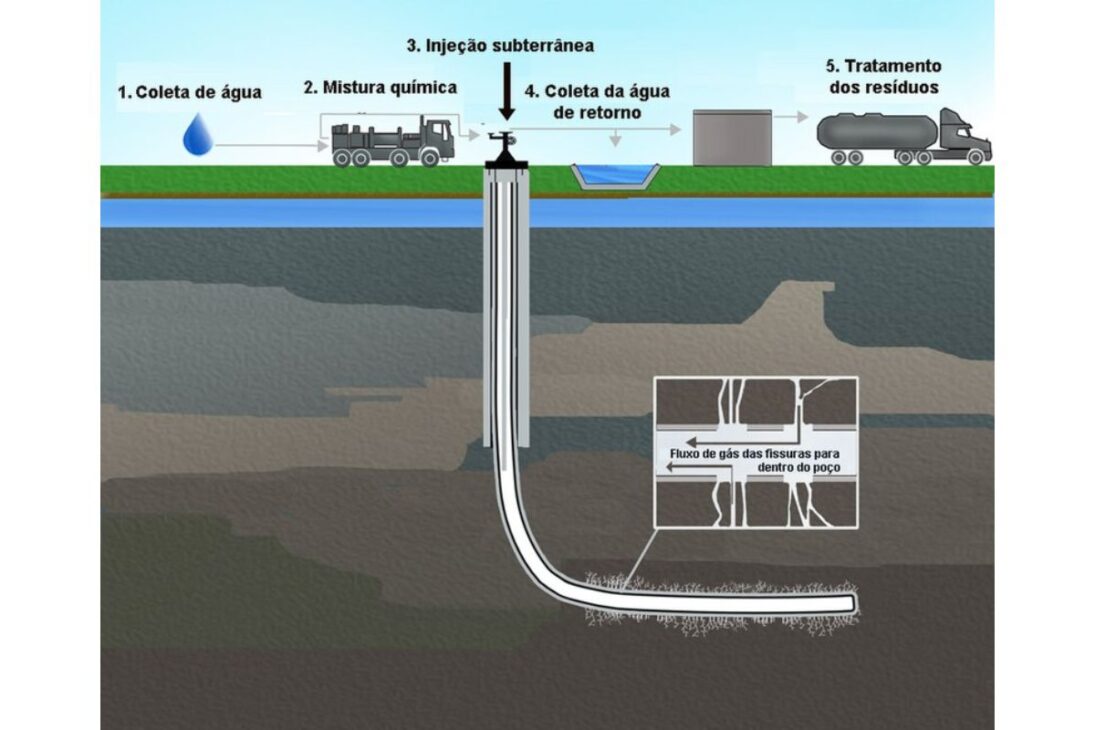
Permian oil was trapped in shale rock with very low permeability, which hindered its flow. The technology that unlocked this wealth was the combination of horizontal drilling with hydraulic fracturing, or “fracking.”
The process is complex:
Drilling: first, a well is drilled vertically for miles and then directed to drill horizontally through the shale layer.
Lining: steel pipes are cemented in the well to ensure its integrity and isolate freshwater aquifers.
Fracturing: a mixture of 99.5% water and sand, with 0.5% chemical additives, is injected into the well under high pressure. This pressure creates a network of microfractures in the rock, and the sand keeps them open, allowing oil and gas to flow to the surface.
The Permian Basin Versus OPEC and the Fight for Control
The rise of the Permian Basin has shaken the global oil market. The initial response from OPEC, led by Saudi Arabia, was confrontational. In 2014, the cartel flooded the market with cheap oil to drive prices down and force higher-cost American producers into bankruptcy.
OPEC’s strategy ultimately failed in its objective. Instead of breaking, the crisis forced the American industry into a brutal reinvention, optimizing processes, cutting costs, and developing even faster drilling technologies, becoming more resilient and competitive than ever. Permian production, which reached 6.1 million barrels per day in June 2024, now exceeds that of all OPEC members except Saudi Arabia itself. If it were a country, the Permian Basin would be one of the largest oil producers in the world, drastically reducing the cartel’s power to control prices.
Earthquakes, Water Use, and Environmental Controversies
The success of the Permian has a dark side. Fracking is water-intensive, a scarce resource in the region, and generates billions of gallons of toxic wastewater. Scientists have proven that the standard practice of injecting this toxic water back underground is ‘lubricating’ dormant geological faults, leading to an alarming increase in earthquake frequency in an area that was previously seismically inactive.
Production releases large amounts of methane, a potent greenhouse gas, and other atmospheric pollutants, such as benzene, raising serious concerns about the public health of local communities and the impact on climate change.
The Future of the Giant in 2025: Declining Growth and a New Era of Discipline

After a decade of explosive growth, the Permian Basin is entering a phase of maturation. The best and most productive drilling locations (“sweet spots”) have already been explored, and the productivity of new wells is beginning to show signs of stagnation.
The industry has also shifted its focus. The era of “growth at all costs” has given way to “capital discipline,” with companies prioritizing profitability and returns to shareholders over merely increasing production. The U.S. Energy Information Administration (EIA) projects that basin production will continue to grow in 2025, but at a much slower pace, reaching an average of 6.6 million barrels per day. The era of disruptive growth seems to be coming to an end. The future of the Permian will be that of a mature giant, growing in a slower and more measured manner but will continue to be a pillar of global energy, shaped both by its immense productive capacity and increasing environmental pressures.


