Portuguese
  Spanish


In a video published by the Fala Brasil channel on YouTube on 01/04/2025, Ana Laura appears in a family activity involving homemade sweets, learning notions of cost, customer service, social media promotion, and organization. The story shows how selling sweets can become a financial education experience when there is family support and guidance.
The experience of Ana Laura gained attention for showing how selling sweets can be presented, within a family context, as learning about cost, promotion, customer service, and organization. In the video published by the Fala Brasil channel on YouTube on 01/04/2025, she appears preparing sweets and participating in an activity accompanied by her mother.
Gradually, the domestic play to save money began to involve production, price calculation, customer interaction, and simple management notions. The central point of the story is supervised learning, without turning childhood into an obligation or treating a home activity as an adult responsibility.
How the sweets became a learning experience at home
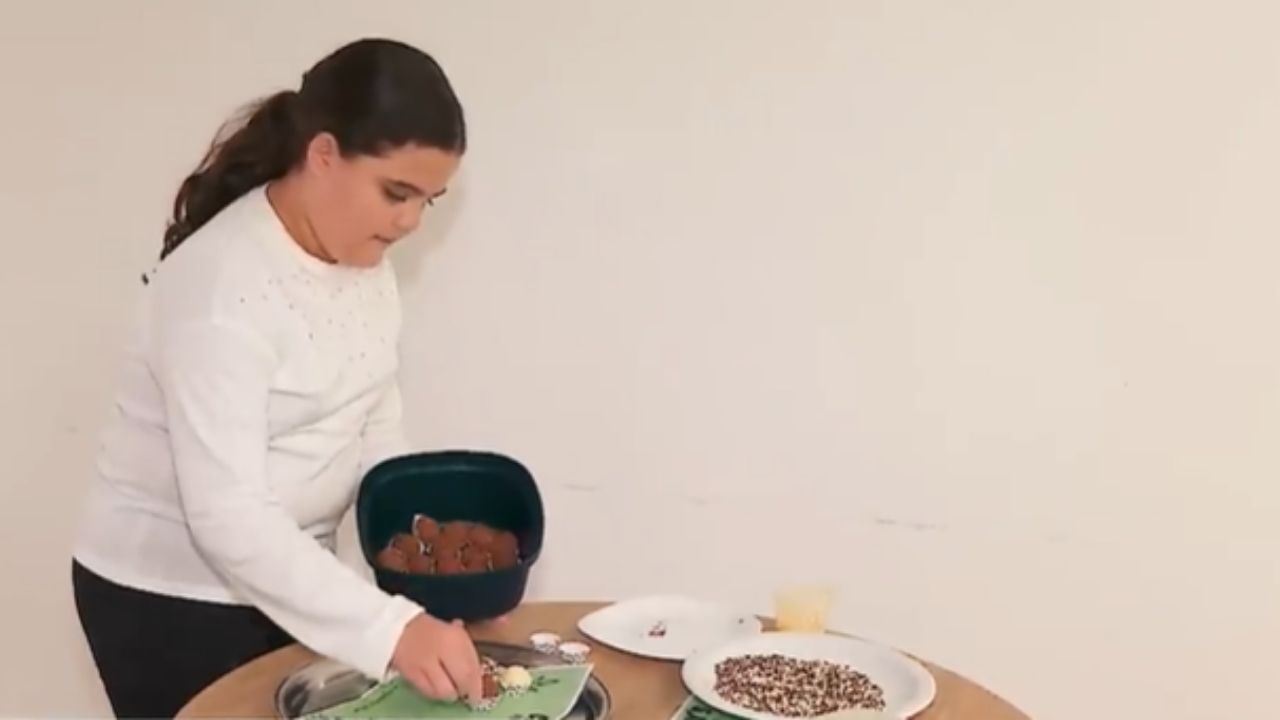
Ana Laura’s story begins at home, from a recipe she found interesting to prepare. In the video, she explains that she found an option that yielded well and wasn’t too costly. From there, she started making sweets and observing people’s reactions to the product.
-
Peruvian Mountain’s 5,200 Aligned Holes May Unveil Ancient Indigenous Market for Corn and Cotton

-
The Little-Known Story of a Home-Built Airplane That Promised Freedom but Faced Safety Issues After Numerous Accidents

-
He Didn’t Build a Plane, But Spent Decades Trying to Make Bicycles Fly with Wings and Pedals; Remaining Models Tell This Unusual Story in Germany
-
Roraima Security Secretary Poses as Doctor to Expose Technician Charging $600 for Free Public Health MRI in Brazil; Technician Confessed




This first step shows a simple logic of financial education: testing an idea, understanding if it is accepted, and realizing if the cost makes sense. Before any business talk, there is a practical experience of organization, pricing, and care with what is offered.
The activity appears linked to the desire to save money for small personal choices, always within a family environment. This context is important because it differentiates supervised learning from financial obligation. The report does not present Ana Laura as responsible for the family’s livelihood.
When talking about selling sweets, the story gains strength when treated as an accompanied experience. The focus is not on productivity or pressure, but on simple notions of preparation, promotion, customer service, and responsibility.
Mother’s support helps give context to the story

Ana Laura’s mother, Daniela, also appears in the video as an entrepreneur. She comments that she seeks to innovate, find new possibilities in the area she works in, attract clients, and improve earnings. This environment helps explain why the daughter had contact with conversations about product, price, and customer service from an early age.
Family support is a central point of the narrative. When a child observes an adult entrepreneuring, they can learn notions of communication, responsibility, and organization without it becoming a burden. The example at home appears as a reference, not as a transfer of responsibility.
This care is essential because the topic involves childhood. The text should not turn early effort into an ideal nor suggest that children need to be entrepreneurs. The story works better when understood as a family activity, light and accompanied.
The presence of Daniela helps balance the trajectory. The production of the sweets does not arise in isolation, but within an environment where there is guidance, observation, and support. This reinforces the idea of practical learning, not adult autonomy.
Cost, price, and customer service appear simply
One of the most interesting points of the video is how Ana Laura talks about flavors and prices. She presents options like traditional, milk powder, and passion fruit, with different values. The segment shows that she understands that each product can have its own cost, presentation, and price.
The explanation does not need to be treated as a heavy business lesson. Instead, it can be seen as a practical notion of financial education. The child realizes that a recipe needs to please, but it also needs to fit the cost and be well explained to the buyer.
By selling sweets, even on a small scale and with supervision, Ana Laura comes into contact with common situations: explaining flavors, answering questions, handling orders, and maintaining clarity about values. These are lessons that can be useful in the future, regardless of whether she continues on this path or not.
The important thing is not to turn this experience into a performance demand. The narrative becomes more responsible when it shows the activity as a family learning experience, rather than a rigid commercial routine.
Social media serves as a showcase for the sweets
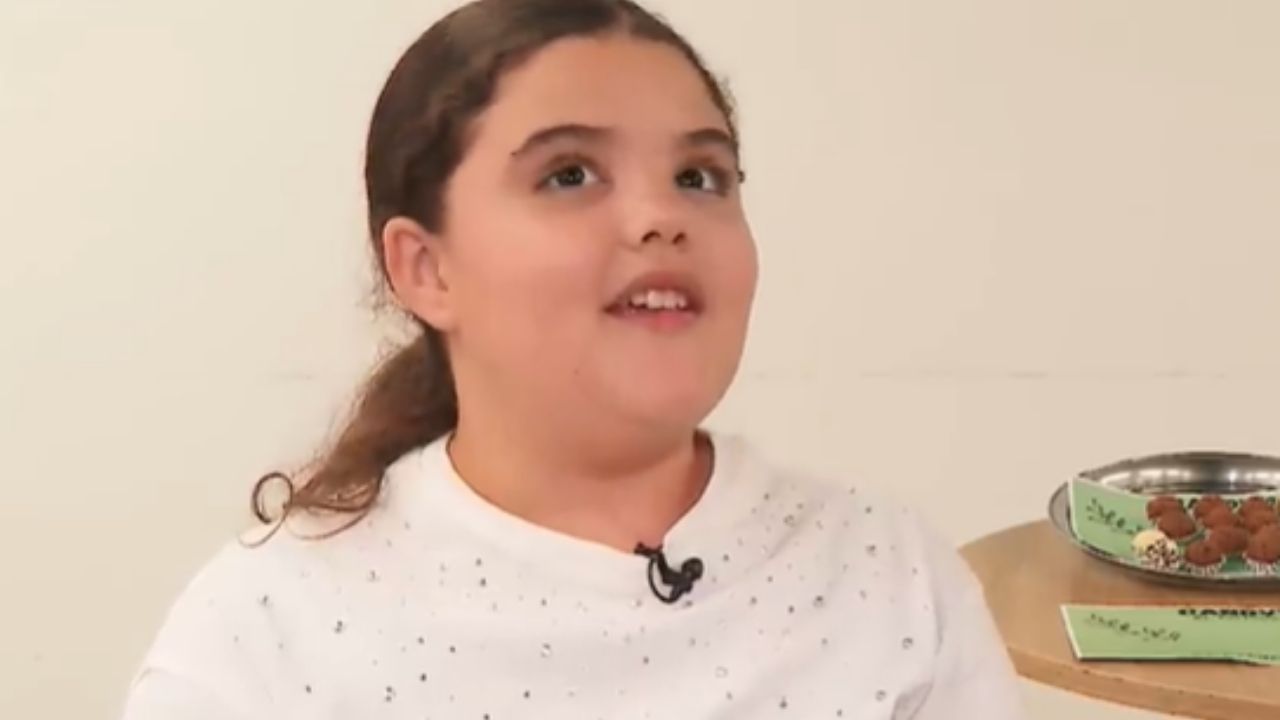
Besides preparing the sweets, the video shows that Ana Laura also uses social media to promote the products. This detail brings the activity closer to the current behavior of many small family businesses, which turn to the internet to showcase what they do and keep in touch with the public.
Presence on social media can teach communication skills. Showing a product, explaining an option, and responding to interested people are simple but relevant practices. Even in a homemade experience, promoting requires care with image, language, and customer attention.
This point also requires responsibility. The exposure of children on social media needs to happen with adult supervision, especially when it involves image, routine, and interaction with others. Therefore, the family context is an important part of the story.
Within this limit, promotion helps to show that selling sweets today doesn’t just depend on preparing a recipe. It also involves presentation, trust, and relationship with those interested in the product.
Learning went beyond the recipe
Over time, the sweets stopped being just a homemade recipe and started teaching small notions of organization. Ana Laura learned to observe which flavors were more popular, present prices, promote on social media, and talk to clients.
The mother, Daniela, appears as an important part of this context. An entrepreneur, she serves as a reference for her daughter and helps to show that the activity takes place within a family environment, with supervision and practical learning.
The video also shows a moment of negotiation. Ana Laura presents prices and responds to an attempt at a discount and buying on credit. The scene has a light tone but shows an important notion: sellers need to know how to explain prices and handle different requests.
The strength of the scene lies less in the sale itself and more in the learning of communication. Saying no, explaining a value, and understanding a negotiation are situations that help develop confidence and responsibility when they appear in an appropriate and supervised manner.
Financial education in childhood requires limits


Stories of children involved in sales activities often generate interest because they mix curiosity, family, and learning. However, they also require care. Childhood should not be treated as a phase for taking on adult obligations.
The case of Ana Laura needs to be read from this angle. The experience can teach useful notions, such as cost, price, communication, and organization, but it only makes sense when it preserves study, rest, protection, and supervision. Learning about money is different from working out of necessity.
This distinction is fundamental. When there is family support and the activity is age-appropriate, it can function as a specific learning experience. When it becomes an obligation, a burden, or a substitute for adult responsibilities, it ceases to be an educational experience.
Therefore, the story should not be seen as a mandatory model for other children. The value lies in showing a specific situation, in a family environment, that opens a debate about financial education, gradual autonomy, and responsibility from an early age.
When selling sweets becomes a practical lesson in organization
The routine shown in the Fala Brasil video reveals how a simple activity can teach concepts that many people only learn later. Revenue, cost, price, customer service, promotion, and negotiation appear in Ana Laura’s daily life in a practical and supervised manner.
By selling sweets, she learns that a product needs to have acceptance, but it also needs organization. She learns that price is not a guess, that the customer needs to understand the value of what they are buying, and that promotion helps maintain interest.
The story also shows that small family projects do not start ready-made. They begin with testing, conversation, encouragement, and repetition. In her case, homemade production turned into a learning experience involving sweets, social media, and customer interaction.
For the audience, the case draws attention because it mixes childhood, family, and financial education. It is not a story about getting rich early, but about learning early to organize an idea, transform a recipe into a product, and understand limits.
What Ana Laura’s experience leaves as a reflection
Ana Laura’s story shows that a homemade recipe can turn into a learning opportunity when there is supervision. The girl is shown participating in the production of sweets, understanding prices, using social media, and talking to customers within a family activity.
The case also reinforces the importance of language. Calling the experience accompanied financial education is more accurate than treating a child as a symbol of adult autonomy. The care lies in recognizing learning without romanticizing early effort.
At the same time, the narrative can inspire families to talk about money, cost, responsibility, and service in a light manner. It is not necessary to turn children into entrepreneurs to teach these topics; small household activities can already develop important notions.
Do you think family activities like this can teach financial education in childhood, or is there a risk of turning learning into pressure too early? Leave your opinion in the comments.