Portuguese
  Spanish


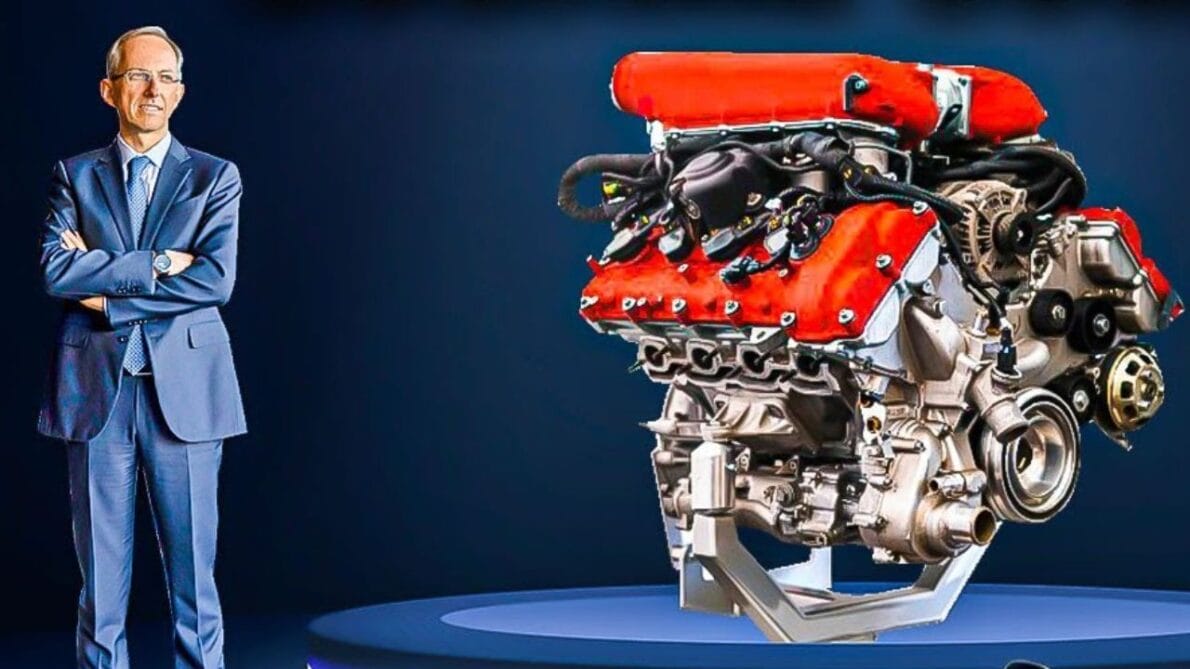

Ferrari Innovates with Zero-Emission Engine That Promises to Revolutionize the Electric Vehicle Market
Ferrari surprised everyone by developing a zero-emission engine that could change the future of the automotive industry. This new zero-emission engine challenges expectations and offers a sustainable alternative to traditional electric vehicles.
For many years, the automotive industry has sought to reduce emissions and adopt more sustainable solutions. This quest has led to an increase in electric vehicles, with many companies heavily investing in this technology. The idea of a zero-emission combustion engine seemed impossible, but Ferrari has made it a reality with its new hydrogen engine.
How Does Ferrari’s Hydrogen Zero-Emission Engine Work?
The new Ferrari engine is an internal combustion engine powered by hydrogen. This innovative engine is mounted in an unusual configuration, with the engine inverted and the hydrogen tanks positioned alongside. This layout optimizes space within the vehicle and improves weight distribution, resulting in better handling and performance.
-
Young people from Minas created a robot without screws or metal parts, betting on a strong and flexible structure to compete against a thousand teams in Houston and took Brazil to the top of world robotics for the first time; Sofia, 15, also made history with an unprecedented leadership award.

-
Detectorist found a 900-year-old silver coin
-
A newly discovered caterpillar in Hawaii wears the remains of its prey that it devoured as a macabre armor, stitching bones and insect shells to its own back for camouflage.

-
She heard for decades that space was not a place for women, became a pioneer in aviation, was part of the Mercury 13, and at 82, finally traveled with Jeff Bezos before dying at 87.


The inverted engine layout allows the transaxle to be positioned higher, making it easier to install a more aggressive diffuser at the rear of the car. This enhances aerodynamics and increases stability at high speeds. Additionally, the design allows for a short base, which is essential for the driving characteristics desired by Ferrari.
Forced Induction Systems
The forced induction system of this engine is impressive. There are several configurations described, including centrifugal compressors powered by an electric motor and systems that use exhaust gas turbines to recover electrical energy. These advanced systems contribute to the robust performance of the engine while maintaining zero emissions.
Ferrari, known for its innovation, is positioning itself ahead of the technological curve. The hydrogen engine is a significant step toward sustainability, providing a viable alternative to traditional electric motors. The brand is committed to maintaining its reputation for excellence while adopting cleaner and more efficient technologies.
Challenges and Opportunities
Although the new engine is revolutionary, its acceptance in the market may face challenges. The maintenance of the inverted engine and the need for infrastructure for hydrogen refueling are some of the issues to be addressed. However, Ferrari is confident in its ability to overcome these challenges and offer a product that redefines the industry.
The new zero-emission engine from Ferrari is an innovation that could change the course of electric vehicles. Combining exceptional performance, innovative design, and sustainability, Ferrari is paving the way for a greener future in the automotive industry. This engine not only challenges conventions but also sets a new standard for what we can expect from high-performance, low-environmental-impact vehicles.