





 Portuguese
  English
  Spanish
  2 min of reading


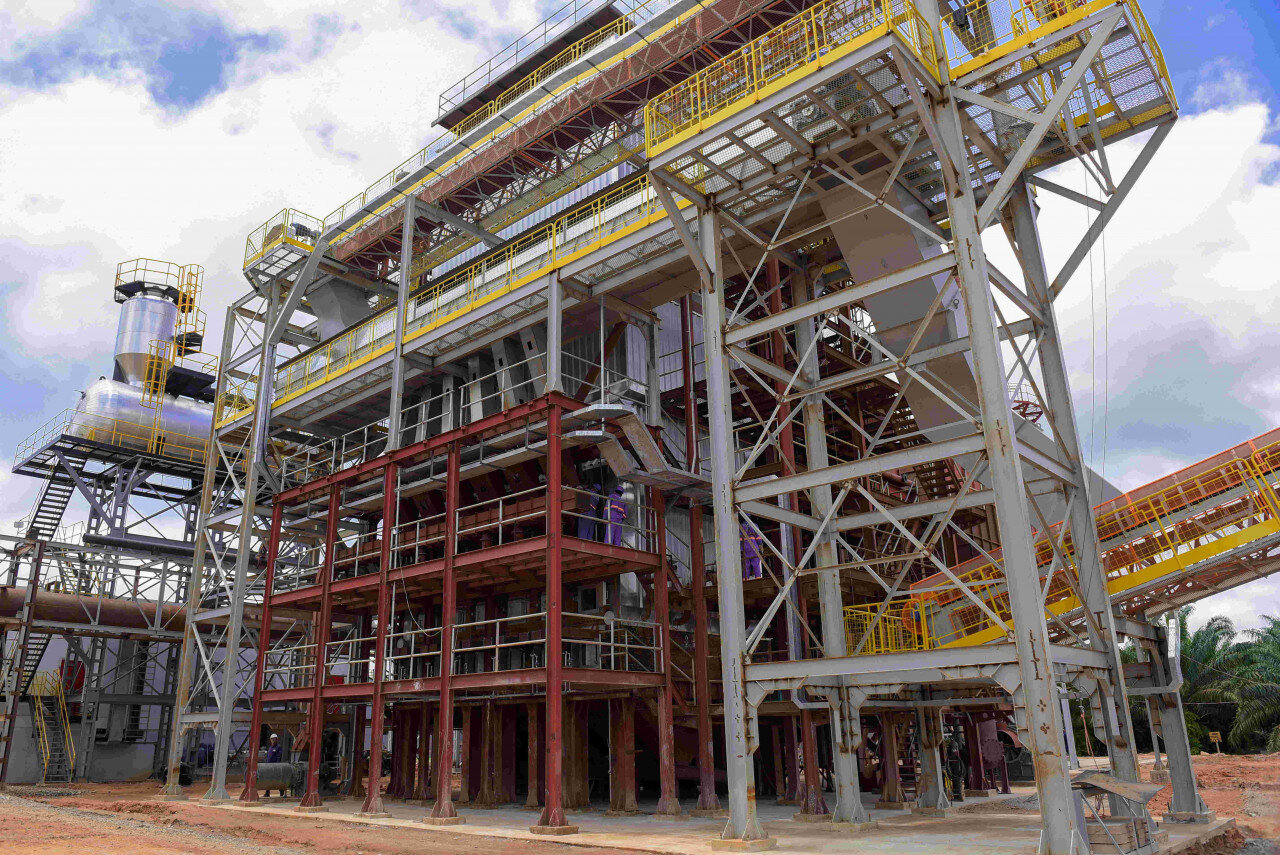
Driving Brazil Towards a Sustainable Future with Biofuels
Milton Steagall, CEO of Grupo BBF (Brazil BioFuels), expressed enthusiasm about the recently introduced Future Fuel Bill (PL). This bill, forwarded by Luiz Inácio Lula da Silva, the president of the republic, and by Minister Alexandre Silveira, proposes measures aimed at decarbonization and an energy transition across various segments of the Brazilian economy, focusing on reducing greenhouse gas emissions and encouraging the production and use of biofuels.
National Programs in Focus: SAF and Green Diesel
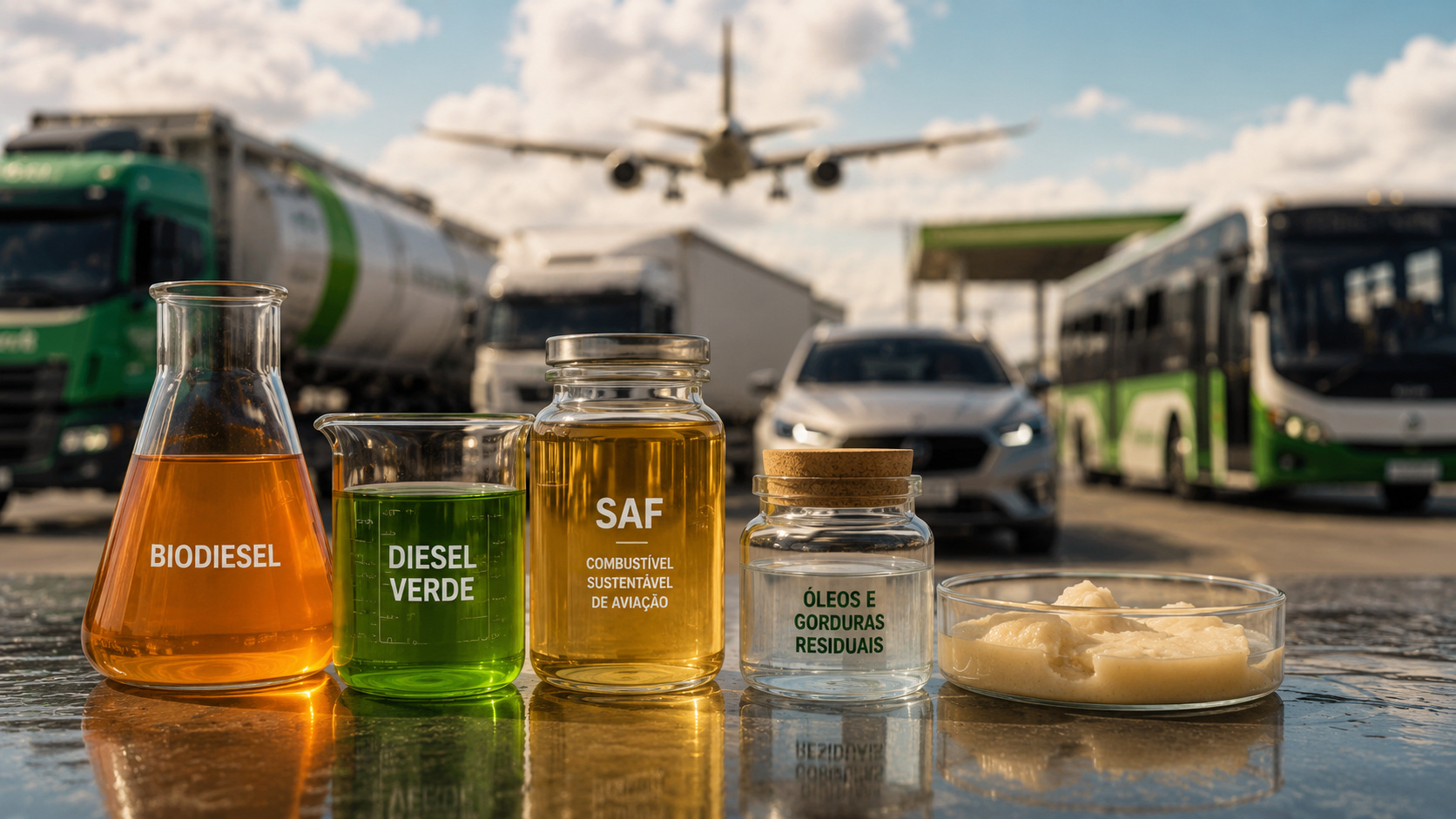
The event “Energy Transition: Future Fuel,” held at the Palácio do Planalto, highlighted the signing of the PL and the launch of the National Sustainable Aviation Fuel Program (ProBioQAV). This program aims to promote Sustainable Aviation Fuel (SAF), with ambitious carbon emission reduction targets for air operators. To achieve this, the PL foresees the gradual integration of SAF into fossil kerosene. Furthermore, the Bill introduces the National Green Diesel Program (PNDV), reinforcing the country’s commitment to energy transition and reducing dependence on traditional diesel.
“The Federal Government has shown itself to be extremely committed to establishing a solid regulation for SAF and Green Diesel. Our discussions have been productive, and I believe this topic will stand out significantly in the coming months,” emphasized Steagall.
-
The world could operate on clean electricity by 2050, but a study indicates that this would require up to 20 TW of renewable energy, more than 9 million hectares for solar, and strong cooperation between countries.

-
Giant arrives in Brazil with R$ 7.5 billion on the table to build a R$ 15 billion mega refinery and produce 1 billion liters per year

-
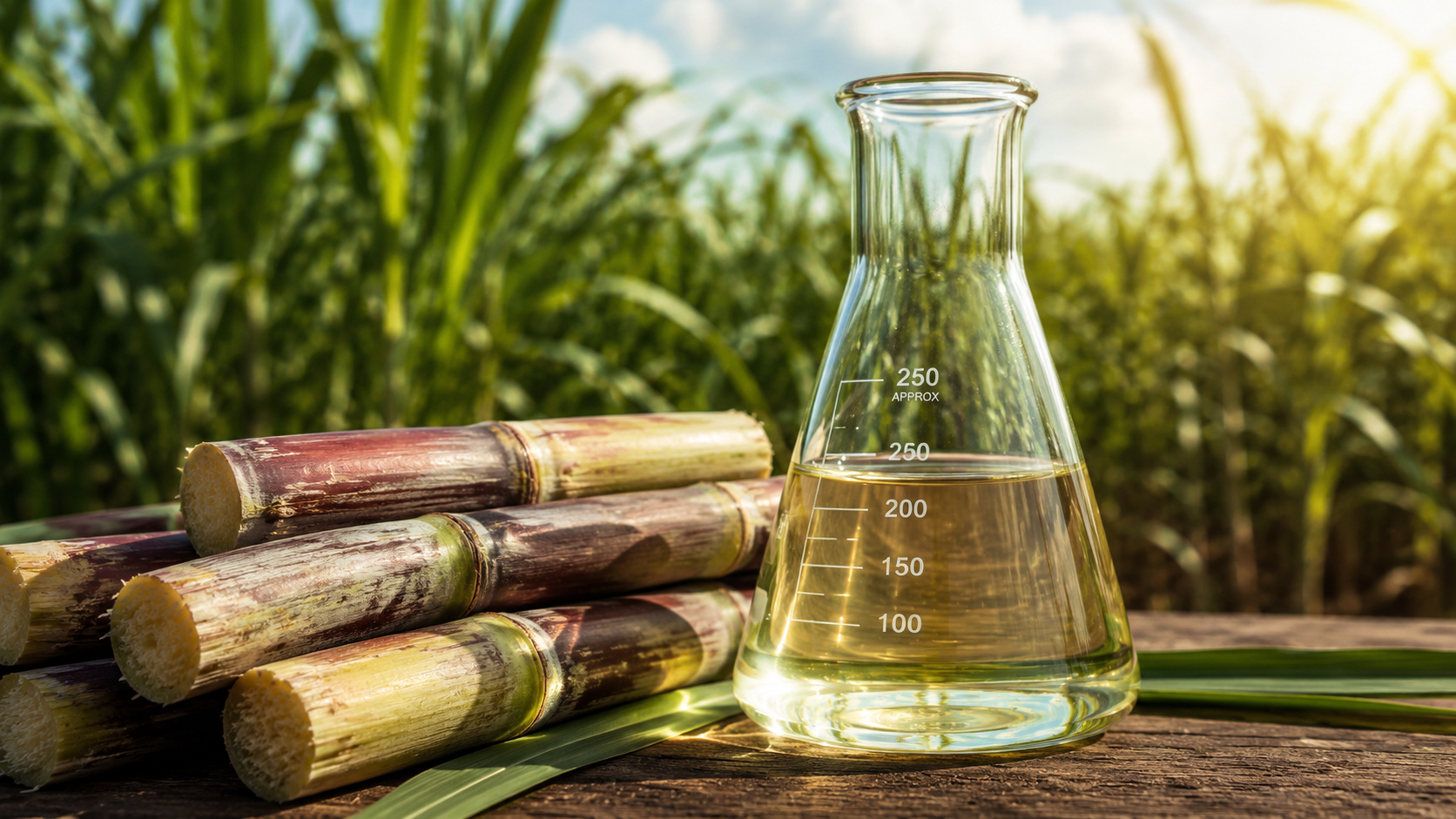
Sugarcane ethanol advances as a strategic solution for Brazil, and a study projects a reduction of up to 19% in emissions by 2030, with a possible impact on the automotive industry, clean energy exports, and the expansion of the national bioeconomy.
-
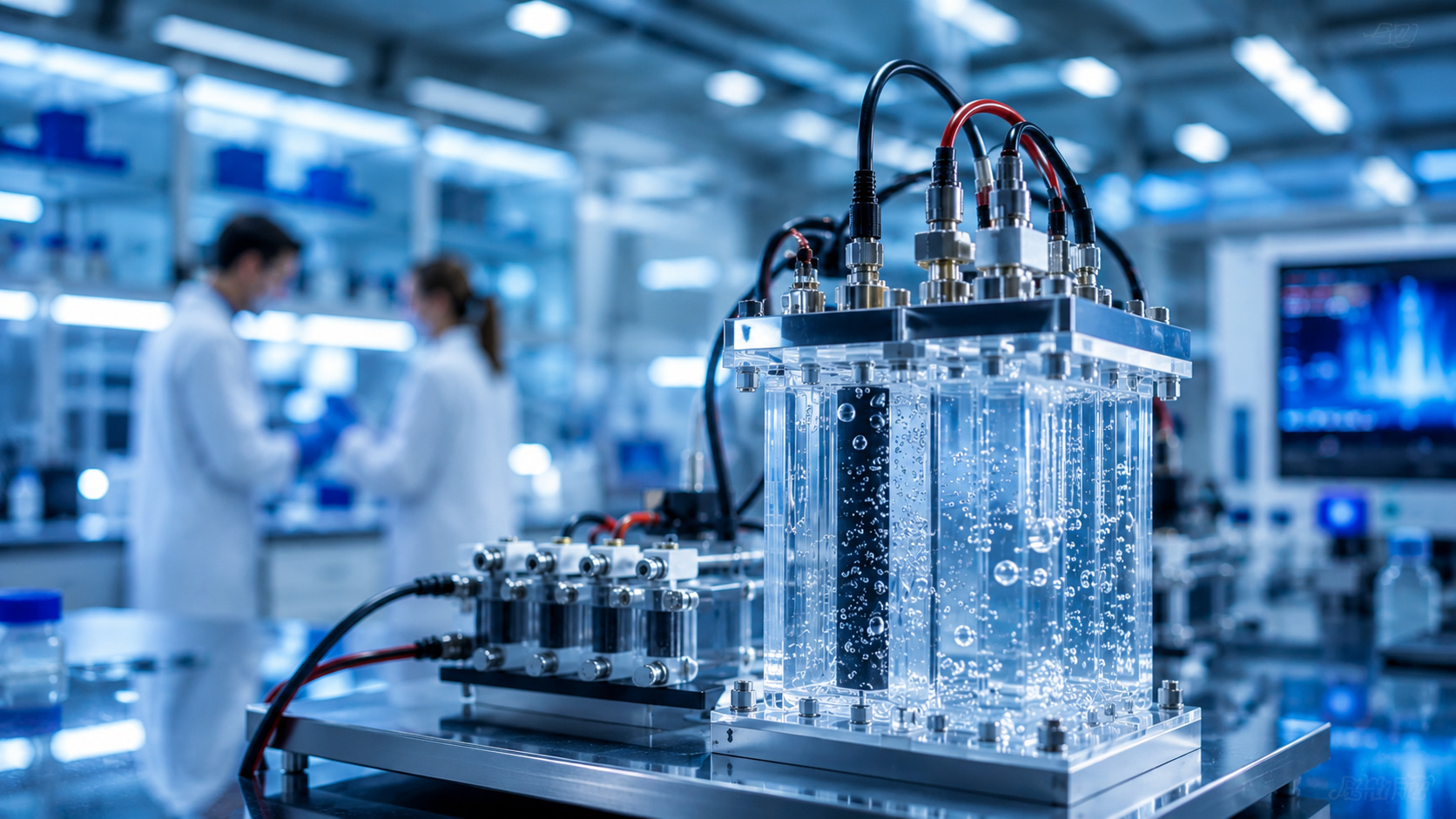
New catalyst developed by scientists in the USA enhances the performance of water electrolysis without using platinum, reducing operational costs and expanding the potential of green hydrogen as a strategic alternative for industries, heavy transportation, and clean energy generation.

BBF’s Commitment: Dedication to the Future
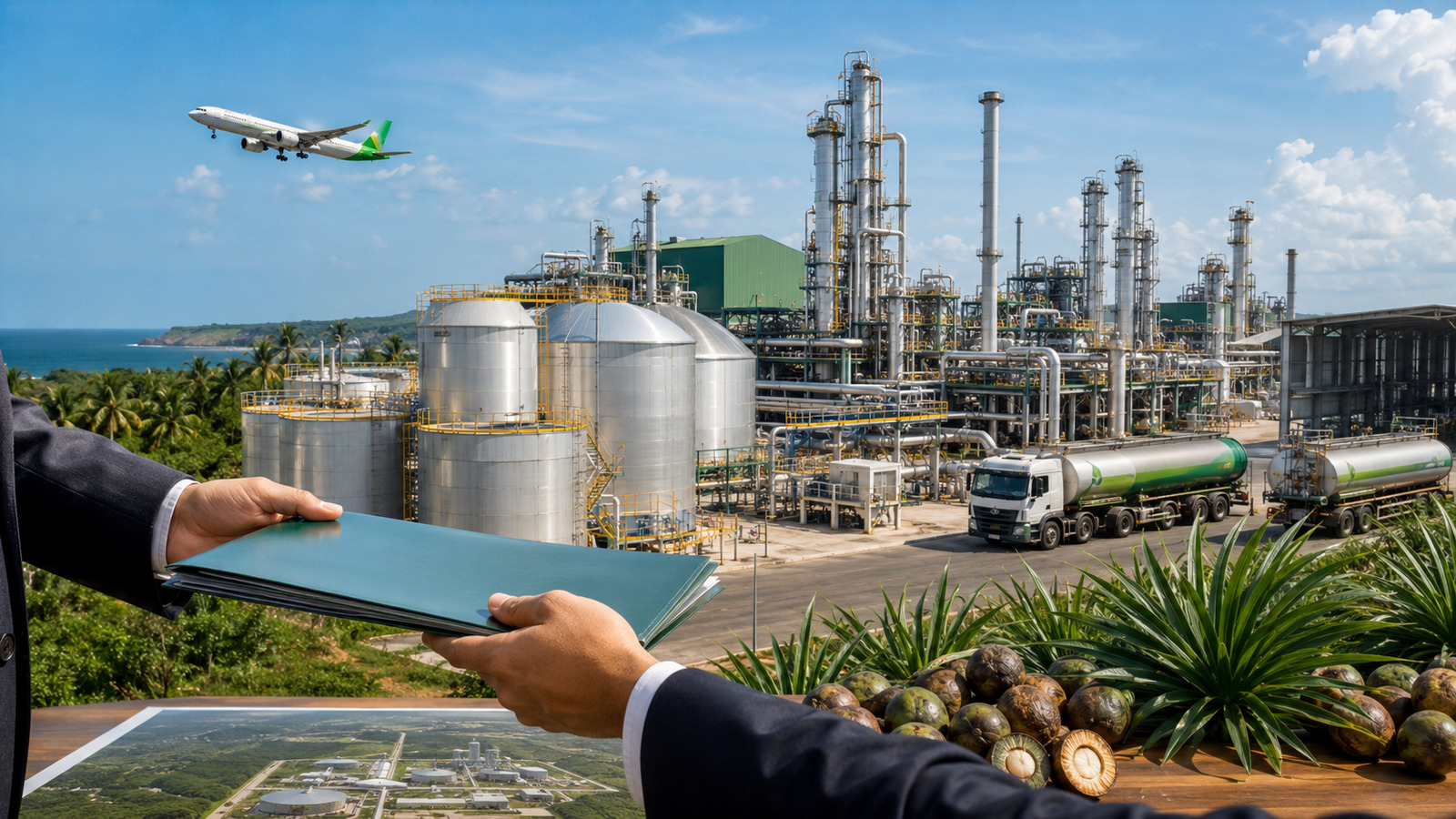
Steagall announced Grupo BBF’s plans to start supplying SAF and Green Diesel to Vibra Energia by 2026. The raw material for these biofuels will come from palm oil, cultivated by Grupo BBF itself in the Amazon. Refining will take place at Brazil’s first biorefinery, intended for the production of these biofuels on an industrial scale. This plant, set to open in 2026, represents an investment of over R$ 2.2 billion and will have the potential to produce approximately 500 million liters annually of SAF and Green Diesel.
Steagall also emphasized the importance of sustainable agriculture in Brazil for palm, mentioning the strict legislation and the vast territory available for cultivation in degraded areas of the Amazon. He highlighted that Brazil has the unique capacity to produce a substantial amount of palm oil, which he refers to as “green pre-salt,” creating job opportunities and boosting the local economy.
Palm oil is also recognized for its chemical characteristics, which are similar to those of traditional fossil fuels, and for its efficiency in oil production. Comparatively, palm produces ten times more oil per hectare than soy, an alternative in the production of biofuels.
Source: BBF Press Office GBR Comunicação Fernanda Domiciano / Vagner Magalhães






Be the first to react!