






 Portuguese
  Spanish
  3 min of reading
  0 comments


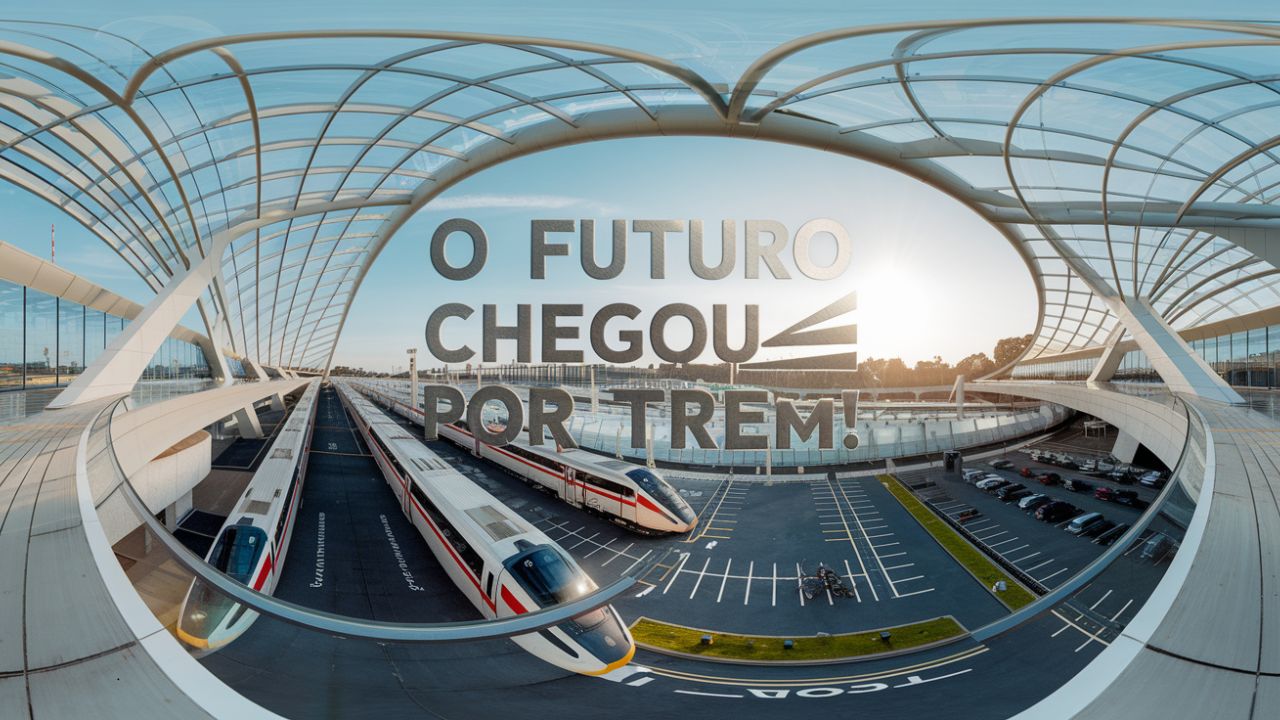
With a cost of €480 million and a capacity for 57,000 weekly passengers, the new futuristic train station in Mons connects five European countries and promises to transform mobility with an innovative design and total accessibility.
The new station in Mons, Belgium, is an infrastructure that redefines European rail transport. Costing an impressive €480 million, the train station combines innovative design and accessibility, positioning itself as an international mobility hub.
But what makes this station so special? In addition to its breathtaking architecture, it reflects Belgium’s commitment to lead railway transportation on the continent.
History and Transformations of the Mons Station

The history of the Mons station is marked by significant transformations. It all began in 1841, as part of the Midi line connecting Brussels to France. Since then, it has undergone four reconstructions. The most notable occurred in 1952, after the destruction of the second station during World War II.
-
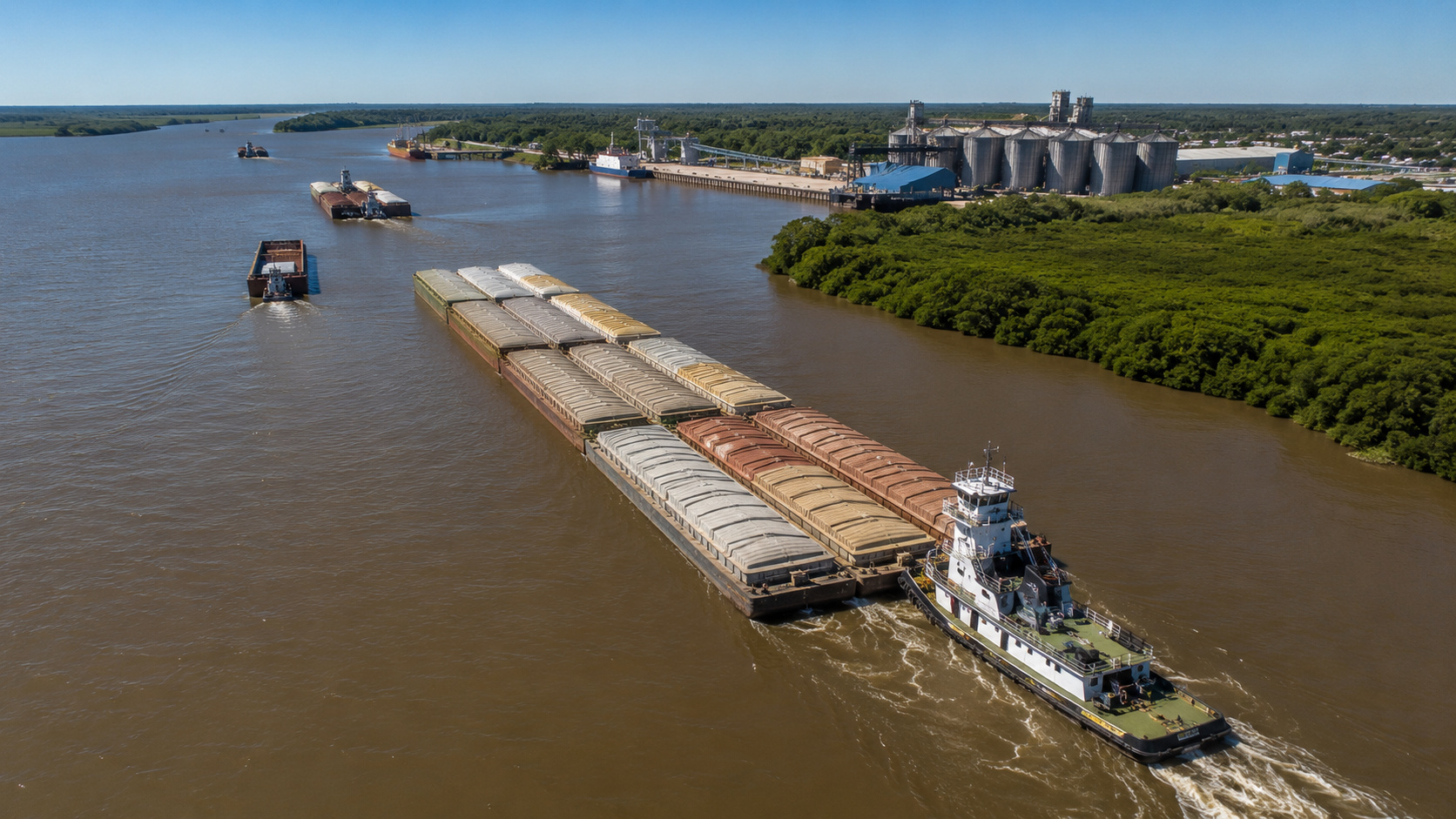
Argentina confirms Belgian giant to lead strategic Paraná River waterway and promises to reduce logistical costs on one of South America’s most important routes

-
MBRF surprises the logistics sector by demonstrating how Artificial Intelligence can directly influence deliveries throughout Brazil by reorganizing distribution routes in seconds, optimizing fleet usage, reducing logistics costs, and speeding up product arrivals even in the face of unforeseen road incidents.
-
With deep ports and strategic railway, Espírito Santo advances to compete with Santos and attract foreign trade cargo.
-
It is now official: Correios and AliExpress join forces to speed up deliveries throughout Brazil, enhance package tracking, and strengthen the digital logistics infrastructure that supports the rapid growth of e-commerce in 2026.



In 2013, the ambitious modernization project began, culminating in the current structure that combines history and innovation.
The renowned Spanish architect Santiago Calatrava led the project, creating a structure that is not only beautiful but also functional. With an integrated walkway and five covered platforms, the station offers a barrier-free experience accessible to all.
Structure and Features of the New Train Station
The train station connects over 57,000 passengers weekly and operates 189 trains per day. Thanks to its strategic location, travelers have easy access to countries such as Germany, France, the United Kingdom, the Netherlands, and Luxembourg.
Modern equipment, such as 12 elevators and tactile guide paths for visually impaired individuals, ensures accessibility. There are parking facilities for cars, 350 bike spaces, and a retail area with 14 shops, making the station a true city within Mons.
Increase in Passenger Numbers and Economic Benefits
In 2023, over 244 million people traveled by train in Belgium, and the new station is expected to increase this number even further. With this infrastructure, Mons becomes a transportation hub, attracting investments and boosting local tourism.
The modernization impacts not only Mons but the entire region. The enhanced connectivity facilitates business, travel, and cultural interaction among neighboring countries.
Mons en Lumières: The Official Inauguration
The station is already in operation, but the official inauguration is scheduled for January 31, 2025, during the festival ‘Mons en Lumières’. It will be an event that promises to highlight the station as an architectural and cultural icon.
The new station in Mons is a symbol of Belgium’s commitment to modernizing rail transport. In a continent where trains are a sustainable and efficient alternative, infrastructures like this are essential to meet the growing demands of passengers.
With this new futuristic train station, Belgium not only connects people and countries, but also reminds us that the future of transportation starts now. Who would have thought that a train station could be so inspiring?







-

1 person reacted to this.