






 Portuguese
  Spanish


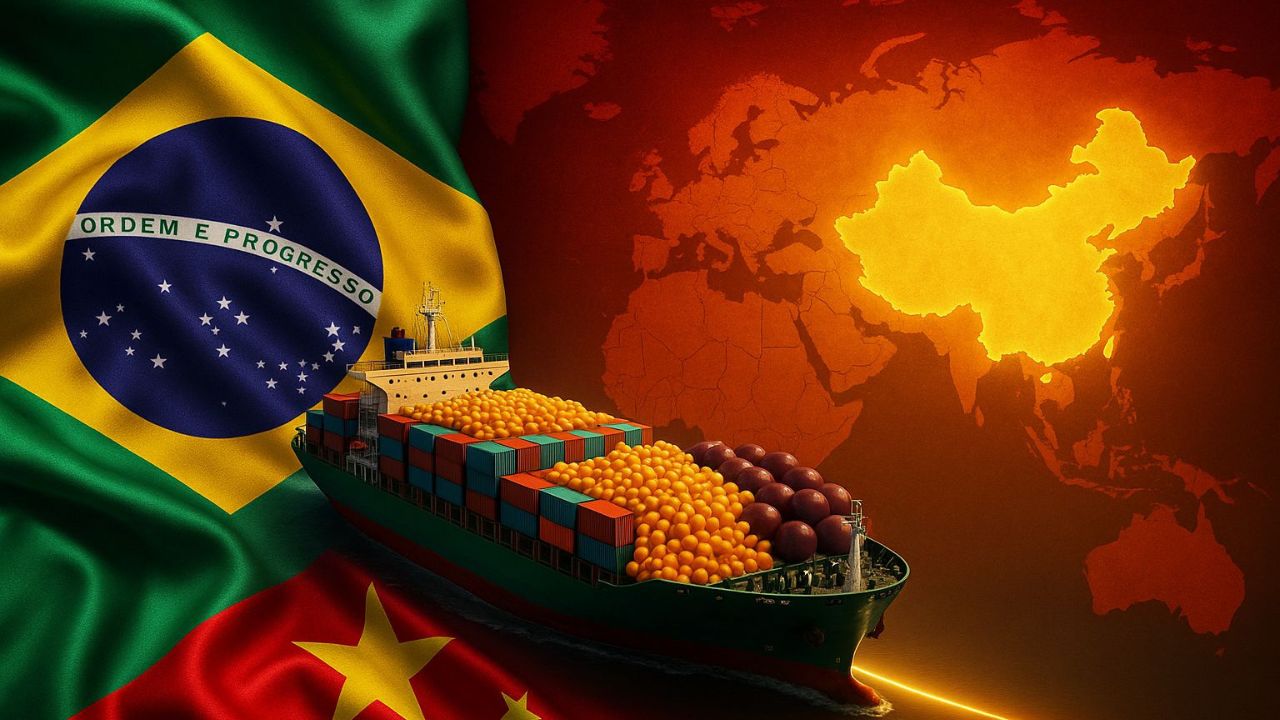


Pioneering Connection Starting From Amapá Promises To Reduce Export Costs And Strengthen The Bioeconomy Of Amazon In The Asian Market.
A new trade route will strengthen ties between Brazil and China. The maritime link, which starts this Saturday (30), will connect directly the port of Santana, in Amapá, to the port of Zhuhai, in China. The initiative is a strategic bet to reduce costs and transportation time for products from Brazil to the Asian giant.
The Direct Zhuhai-Santana Link
The news was announced by the Minister of Integration and Regional Development, Waldez Góes. “On Saturday, the first ship of this Zhuhai-Santana route arrives in Amapá,” the minister confirmed. This connection offers the Northern Arc another strategic alternative for the flow of production.
The route will link the Santana Port of Docas to the Greater Bay Area (Guangdong-Hong Kong-Macau). In this area is the Gaolan port, in Zhuhai, one of the main Chinese terminals. The route is seen as a strategic point to strengthen trade between Brazil and China.
-
A city with 8,000 inhabitants will receive R$ 25 billion to host the largest single-stage pulp mill in the world, with a production of 3.5 million tons per year and a cost of R$ 45 million.

-
He left India for Oman in 1976, entered through the door of luxury finishes, and took Sobha to the premium real estate market in the Middle East.

-
China wants to impress the world once again with a mega canal featuring giant locks, deep waters, and space for the largest ships, in a project aimed at shortening journeys, reducing queues, and rivaling the Panama Canal in global trade.

-
Brazil saved US$ 32.4 billion in 2025 by switching from fossil to renewable energy and only ranked behind China and the United States on the IRENA global podium.


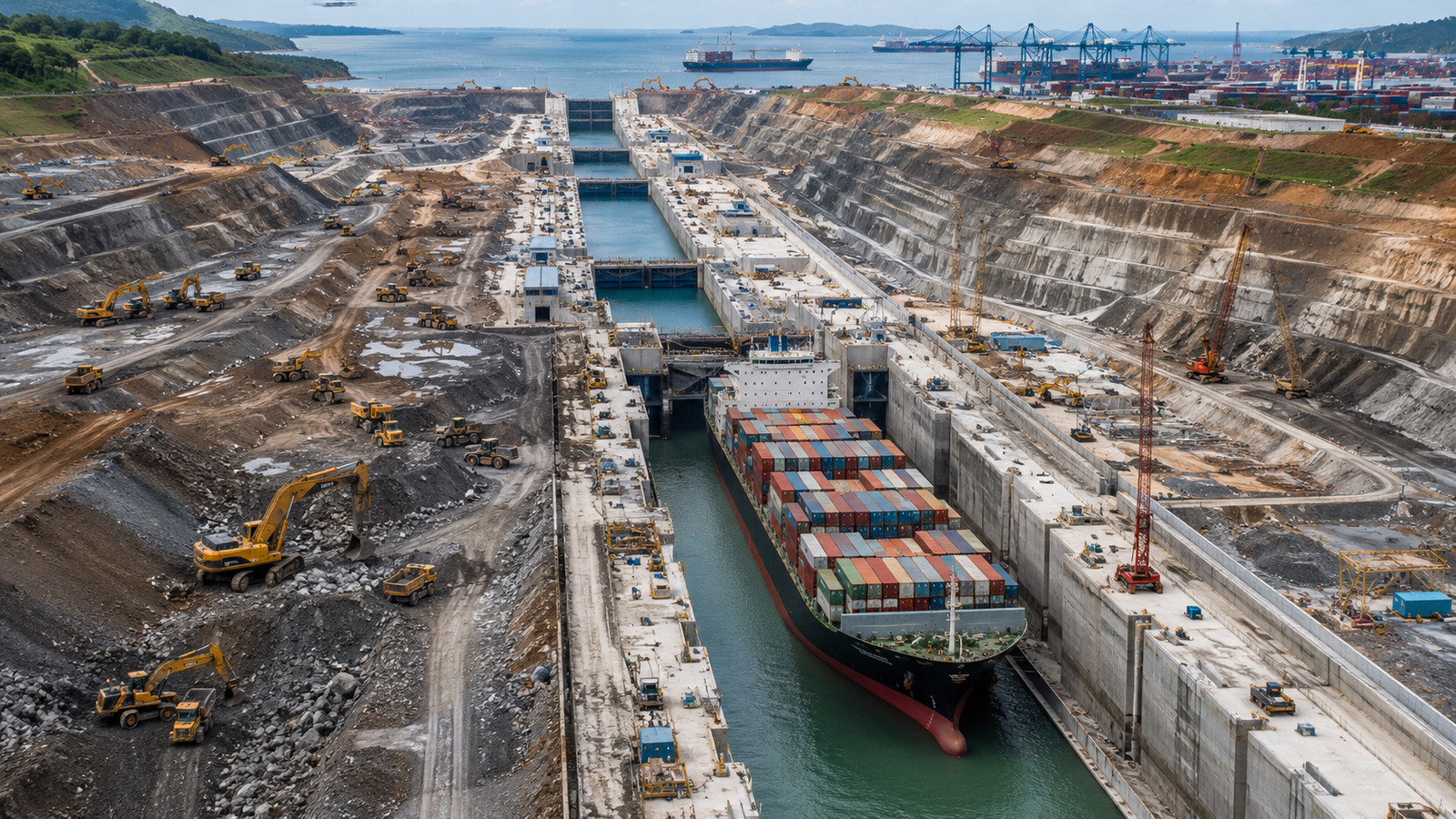

Cost And Time Reduction For Brazilian Products
The advantages of the new route are significant. According to the minister, the savings generated are one of the main attractions. Compared to leaving from the port of Santos, the cost of soybeans from the Midwest to China decreases by US$ 7.8 per ton. If the destination were Europe, the savings would be even greater, at US$ 14 per ton.
In addition to the cost reduction, the travel time will also be shorter. Waldez Góes stated that this advantage adds a lot of value to the work and profit of the producer. The new logistics benefits both producers in the Amazon and those in the Brazilian Midwest.
Focus On Draining The Northern Arc And The Amazon
The governments of Brazil and China have identified great potential in this route. It is ideal for the drainage of bioproducts from the Amazon and the production of the Midwest. The logistical organization of the country will also be enhanced with this new option.
The success of the route will depend on Brazil’s ability to supply products of interest to China. “From now on, it depends on our capacity. On the capacity of the Amazon Region to articulate products of interest to China,” added the minister.
The Potential Of Bioeconomy In The Brazil-China Partnership
Cooperation between Brazil and China has been growing, boosting the potential of the new route. Products from the Amazon’s bioeconomy are gaining special prominence. The minister emphasized that the best strategy for the Amazon region is industrialization to add value to its products.
Items such as açaí, cocoa, coffee, nuts, wood, and pharmaceuticals have great potential. China, with its market of 1.4 billion people, is a key trading partner. Products from Brazilian biodiversity, such as honey and chocolate, have great acceptance in the Chinese market. The minister exemplified the growth potential by citing coffee consumption, which could easily double in the Asian country.
And you, what do you think of this new trade route? Do you believe it can really transform Brazil’s export logistics? Leave your opinion in the comments!
With information from Agência Brasil.





A anos já se falavam que o Brasil seria o celeiro do mundo, na verdade ta se encaminhando pra o destino certo, o Brasil vai responder por 40% a 50% do alimento mundial e terá esse compromisso na sustentabilidade alimentar, alimentar uma nação mundial será o desafio brasileiro…..
Excelente iniciativa, é mais desenvolvimento para a região.
Ótimo pelo menos eu acredito quê o meu beneficio não vai acabar, assim o Brasil 🇧🇷 sai fora do Estados Unidos.