






 Portuguese
  Spanish


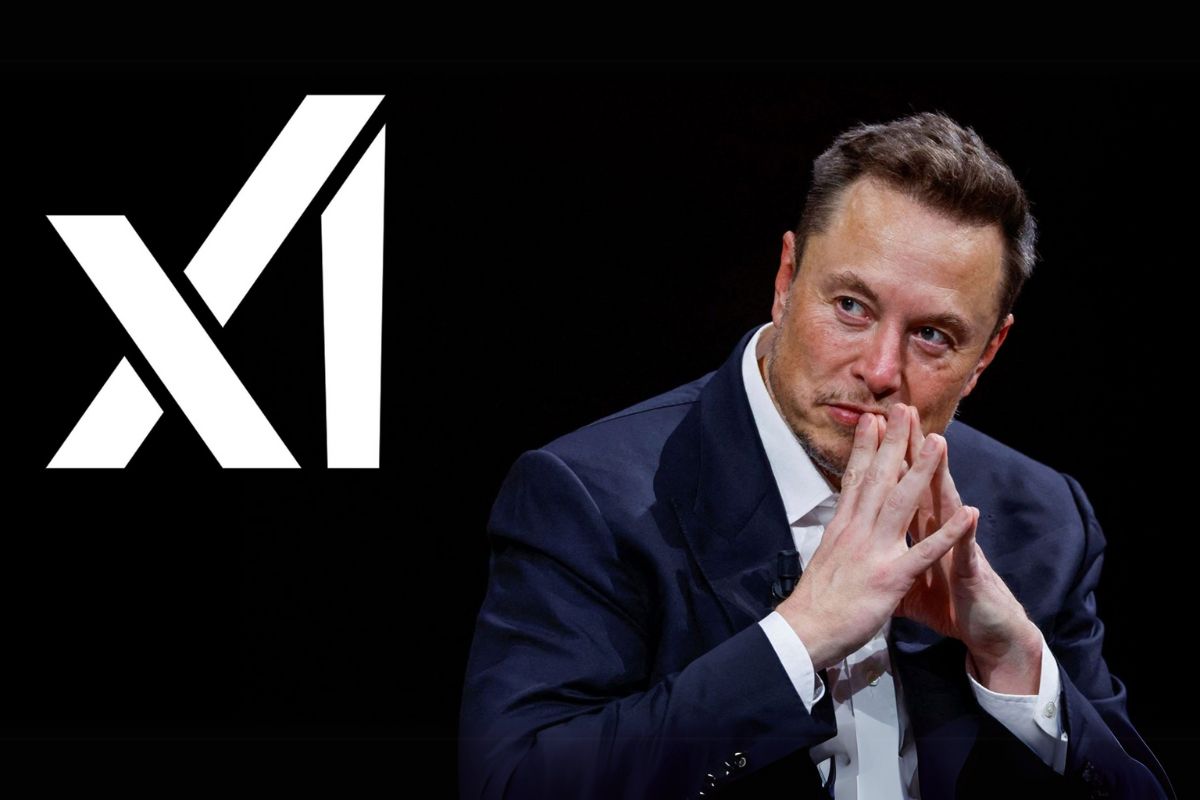


In 16 Months, Elon Musk’s xAI Reaches $50 Billion Valuation. With Colossus, It Surpasses Giants Like Ford and Kroger, Marking the Future of AI with Technological Independence
In just 16 months since its founding, xAI, the artificial intelligence startup led by Elon Musk, has achieved an impressive milestone: a market valuation of $50 billion. Surpassing traditional companies like Ford ($43 billion), Kroger ($44 billion), and Lululemon ($42 billion), the young company has attracted global attention for its innovative approach and the development of Colossus, a supercomputer that promises to redefine industry standards.
Colossus: An Unprecedented Supercomputer
Colossus is more than just a supercomputer; it is the heart of xAI’s strategy. Built in just 122 days — an incredibly short timeline for a project of this scale — it is already equipped with 100,000 Nvidia H100 GPUs, making it one of the most powerful supercomputers in the world. However, xAI’s ambition doesn’t stop there: the company plans to expand Colossus’s capacity to 1 million GPUs, multiplying its computational power by ten.
This colossal infrastructure places xAI in a unique position in the market. While rivals like OpenAI and Anthropic depend on tech giants for their computational needs, Elon Musk has chosen to build a proprietary solution. This strategic independence could be a decisive differentiator in the competitive artificial intelligence sector, allowing xAI to innovate without the constraints of third parties.
-
The industrial waste that even recyclers didn’t want has gained value in the interior of Bahia: two entrepreneurs invested R$ 2.8 million to transform 350 tons per year of foam, rubber, and plastic into boards that can replace wood and MDF.

-
What is a red flashlight used for, after all? See why it is so commonly used at night.

-
He has never read a line of code, but he already knows how to work: the French company UMA presented in Paris the Northstar, its first AI-powered humanoid robot designed for factories and warehouses, capable of copying tasks just by observing an employee in action.

-
A young Kenyan engineer collects plastic waste from the streets and transforms it into robots that translate physics lessons into sign language in real-time, a machine made with old bottles that teaches what was missing to deaf children left out of science.



The Meteoric Rise of Elon Musk’s xAI
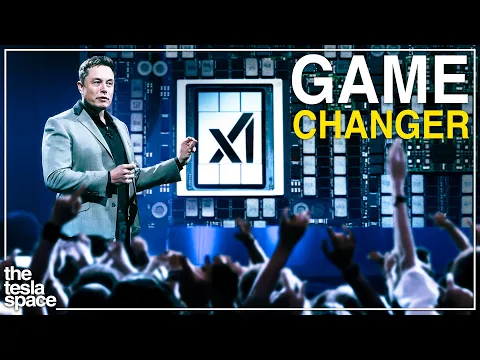

Despite the market spotlight, xAI is still in the early stages of developing its products. Its main release so far is Grok, a chatbot that has yet to reach the same level of popularity or functionality as competitors like ChatGPT or Gemini. However, the power of Colossus promises to accelerate Grok’s progress, enabling it to evolve rapidly and gain more traction in the market.
Moreover, Elon Musk’s strategy for xAI goes beyond simple artificial intelligence tools. The magnate has shown a commitment to technological innovations that could redefine entire sectors. Colossus, for example, is already attracting interest from major tech names like Nvidia and Dell, who are establishing themselves near the data center in Memphis, where the supercomputer is located.
Challenges and Criticisms of the Project
Despite all the success, the rapid development of Colossus has brought controversies. The data center has raised environmental concerns due to its high energy consumption, powered by gas turbines, and its impact on the local ecosystem. Activists and experts have questioned whether the accelerated expansion of the infrastructure is following proper environmental regulations.
These challenges put xAI under scrutiny, but they also reflect the magnitude of the transformation the company seeks to achieve. The very speed of Colossus’s construction — typically, projects of this scale take years to complete — is a testament to Musk’s determination and bold vision.
The Future of xAI and Colossus
The path ahead for xAI is paved with ambition and potential. The company has already demonstrated its ability to challenge market giants and set new standards for innovation. With the planned expansion of Colossus and the evolution of Grok, xAI is poised to establish itself as a leader in artificial intelligence in the coming years.
The impact of this technological independence could be profound, especially in a sector where control over infrastructure can determine the pace of advancements. For Elon Musk, xAI is not just another startup; it is a key piece of his vision for the future, where artificial intelligence plays a central role in global transformation.
Thus, despite the criticisms and obstacles, Elon Musk’s xAI stands out as a disruptive force in the artificial intelligence market. Its meteoric trajectory and the development of Colossus show that Elon Musk is determined to shape the future, even if it means pushing the very limits of technological innovation.





Valer ou não bilhões de dólares de que importa ! Não tem comprador !
Eu amo Elon Musk!
Uma **** igual a este tal de Elon sei lá o que.