





 Portuguese
  English
  Spanish
 3 min of reading
  0 comments


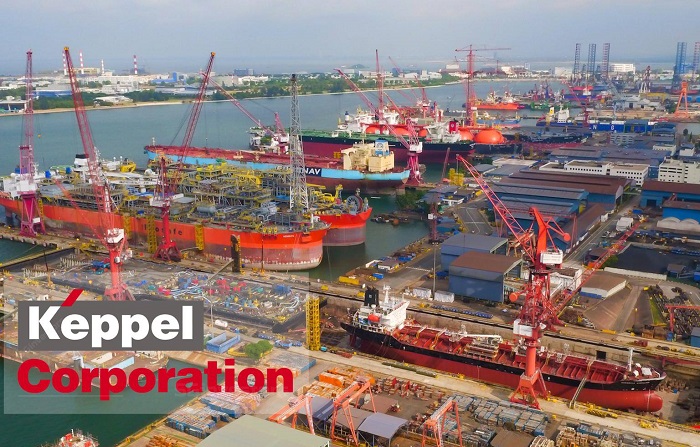
National Shipyards Prepare to Meet the Growing Demand from Petrobras in Search of Innovation in the Maritime Sector.
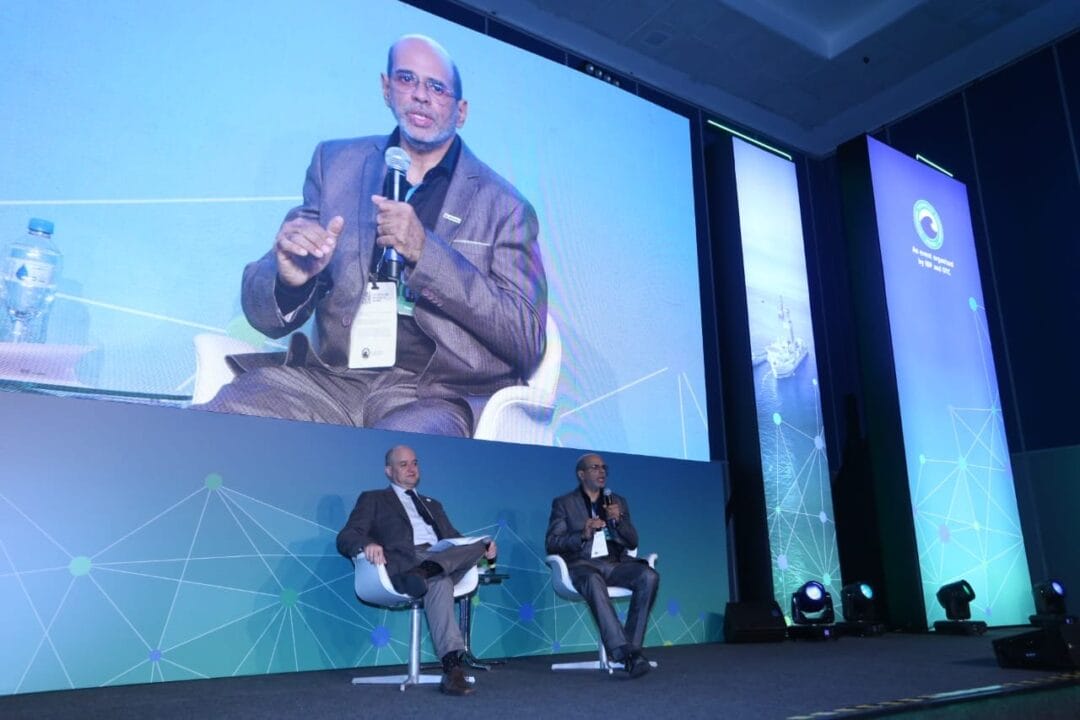
The Brazilian shipbuilding industry is about to receive a significant boost. On the horizon for 2024, Petrobras is determined to incorporate 36 new support vessels into its fleet, according to recent statements from Carlos Travassos, the prominent Director of Engineering, Technology and Innovation at the oil giant during the OTC Brasil 2023 last Wednesday (10/25).
Bidding: A Window of Opportunity for National Shipyards
Petrobras’ plans go beyond simple acquisitions. The proposed bids are seen as an excellent business opportunity, especially for national shipyards. Given the circularization rule, these shipyards have an advantage in chartering, positioning them favorably to capitalize on these ambitious plans.
At the core of these contracts, Petrobras is focusing on three specific types of vessels:
-
One of the most challenging bridges in the world is assembled in Malaysia with helicopters, prefabricated parts, and a single pillar to support the curved deck over the mountain.

-
Around 7,000 jobs are expected to emerge in Navegantes with a new billion-dollar order from Petrobras, which closed R$ 11 billion in contracts to build four hybrid propulsion vessels equipped with underwater robots for the pre-salt layer at the Santa Catarina shipyard.

-
China raises an alert in the military industry by producing parts for the J-20 fighter jet in a nearly human-free factory, where AI, robots, and autonomous vehicles cut more than 80% of manual labor and double efficiency.

-
While stadiums in Brazil need hours to cover the field, Tottenham in London transforms a 9,000-ton natural grass field into an NFL arena in just 25 minutes with unprecedented technology.



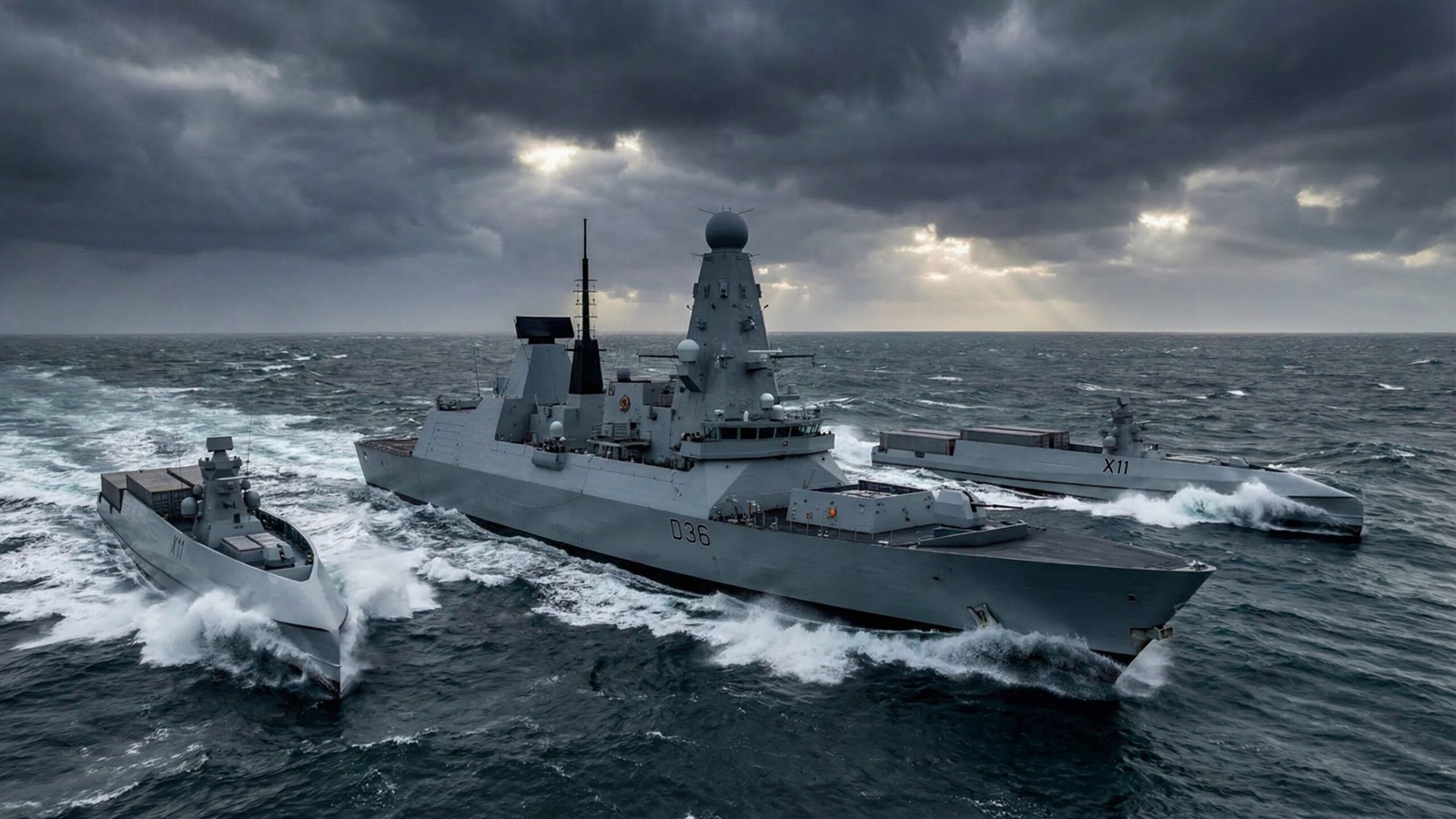
- PSVs (designed for supply transport)
- RSVs (equipped for remote operations)
- ORSVs (specialized in oil spill response)
Expectations are high, with the delivery of these support vessels scheduled to occur over a span of up to five years. To ensure everything goes according to plan, Petrobras teams are actively visiting national shipyards, assessing their capacity to meet this growing demand in the national shipbuilding industry. As Travassos mentioned at a recent conference in Rio de Janeiro, this initiative is a response to the aging fleet of some of the company’s vessels.
Transpetro and Its Role in Revitalization
The expansion is not limited to Petrobras. Transpetro, a subsidiary responsible for the logistics of oil and fuels, also has plans in the pipeline. Under the new leadership of Sérgio Bacci, the company has outlined strategies to revitalize national shipyards, with a focus on the construction of tankers and gas carriers in Brazil.
Meanwhile, on the floating production storage and offloading (FPSO) front, Petrobras is in anticipation, awaiting proposals for units in strategic locations like Barracuda and deep waters off Sergipe-Alagoas. With the 2024-2028 business plan set to be released, new bids for revitalization projects are also on the horizon.
In conclusion, Petrobras is not only looking to the future but also taking care of the present. Decommissioning projects, such as those of P-33 and P-26, are already in progress, with contracts signed with locations like Porto do Açu, ensuring a smooth transition until the bidding process is complete while the shipbuilding industry is still not receiving the prominence it deserves.
With Petrobras at the forefront, the future of support vessels and national shipyards looks bright and promising.






Be the first to react!