






 Portuguese
  Spanish


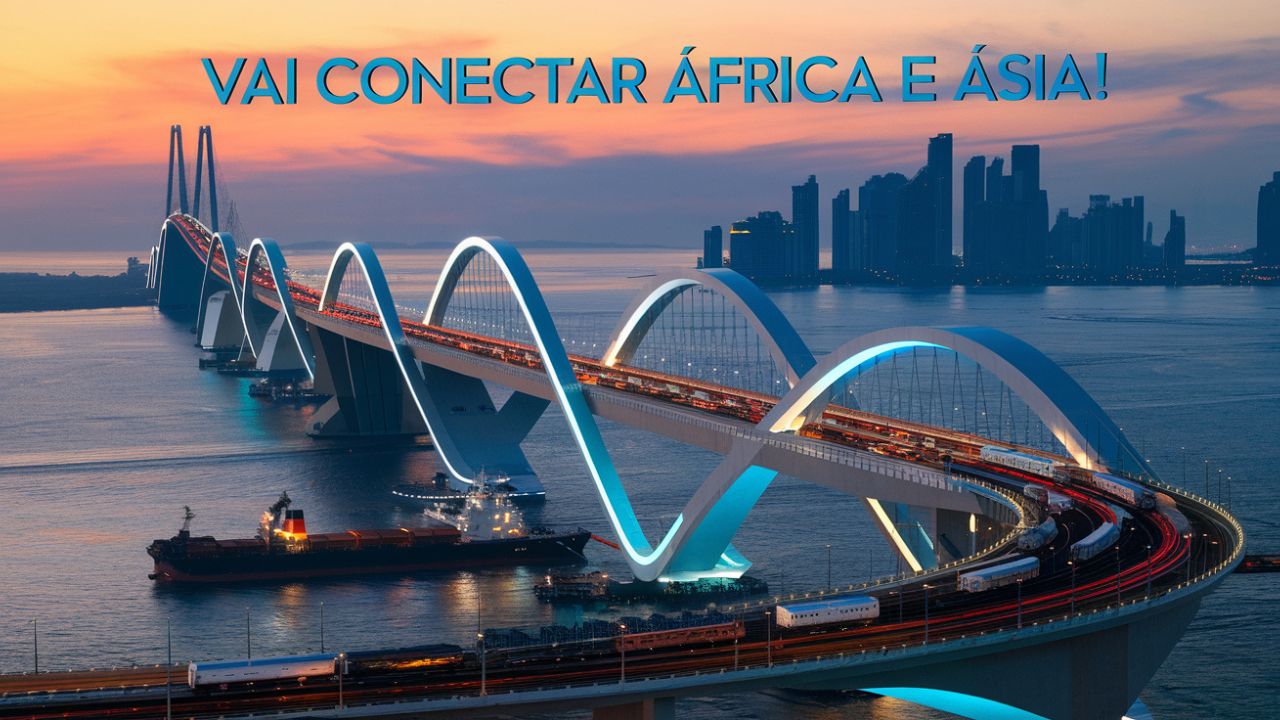


With 32 kilometers in length and 700 meters in height, the world’s largest suspension bridge promises to revolutionize global transportation, connecting Djibouti and Yemen with six highway lanes, rail tracks, and two modern cities for millions of people.
A suspension bridge so large that it connects two continents, crossing the vast Red Sea. This is the plan for the Horn Bridge, a project valued at $125 billion, which promises to transform Djibouti and Yemen into gateways between Africa and Asia. With an impressive length of 32 kilometers and a height of 700 meters, this bridge is not just a construction; it is a statement of ambition and innovation.
Why is this so important? This physical link between the continents can accelerate trade, create opportunities, and rewrite the rules of global geopolitics. It is a vision that challenges limits and dreams of shaping the future.
Technical Features of the Construction of the Horn Bridge
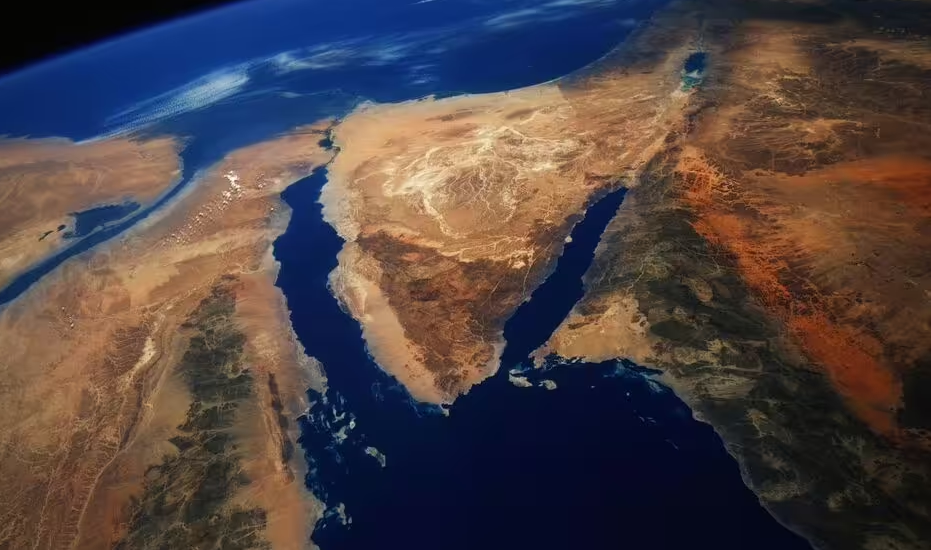
With 32 kilometers in length, the Horn Bridge will be the largest suspension bridge in the world. Its structure has been designed to support heavy traffic, accommodating up to 100,000 vehicles and 50,000 train passengers daily. And the most incredible part? At 400 meters above sea level, the bridge will allow the passage of gigantic ships, ensuring that maritime trade in the Red Sea continues to flow.
-
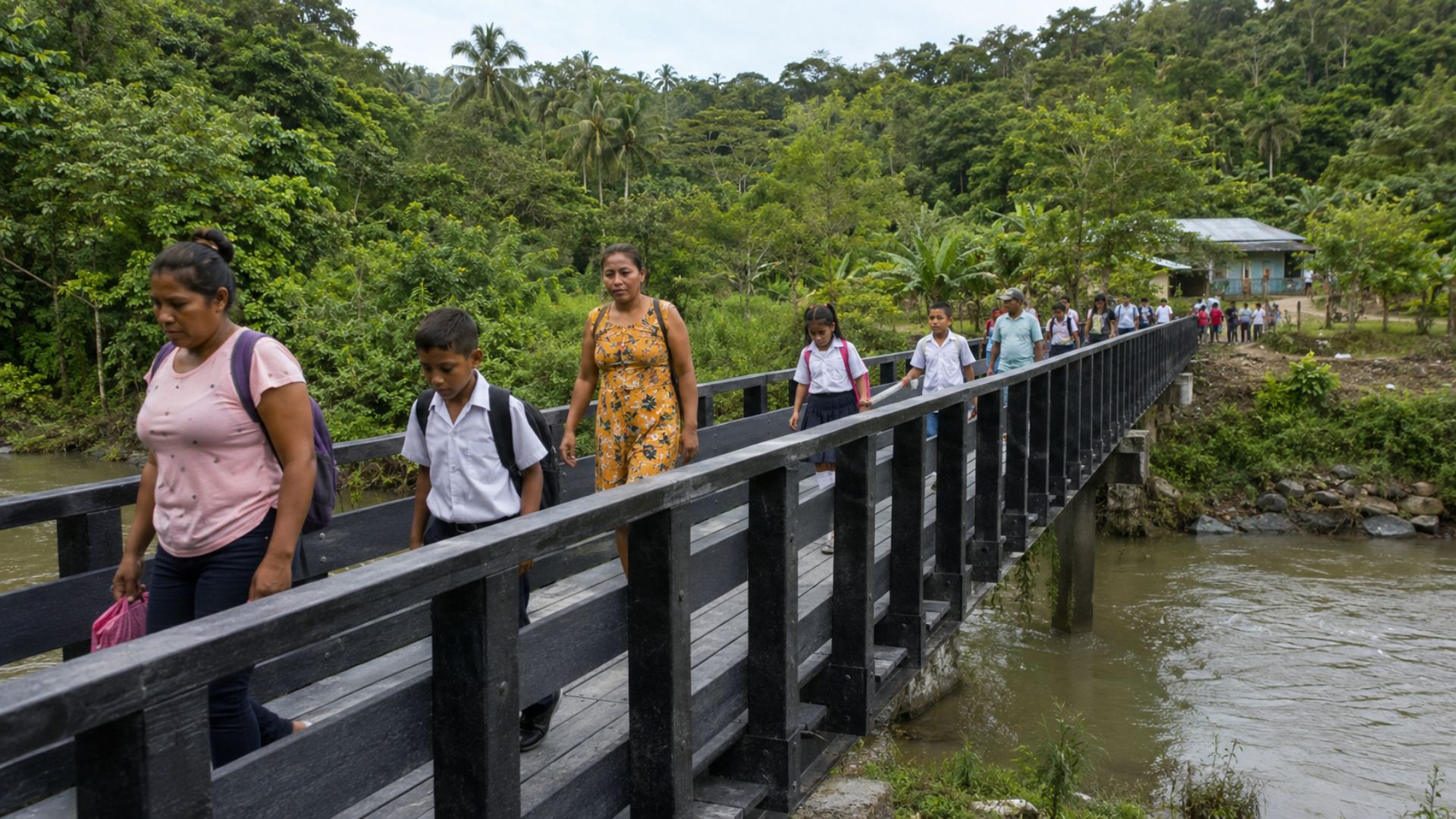
81-Meter Bridge Made from Over 7 Tons of Recycled Plastic Connects Isolated Communities in Panama Canal Basin, Allowing Safe Passage for Over 300 Residents

-
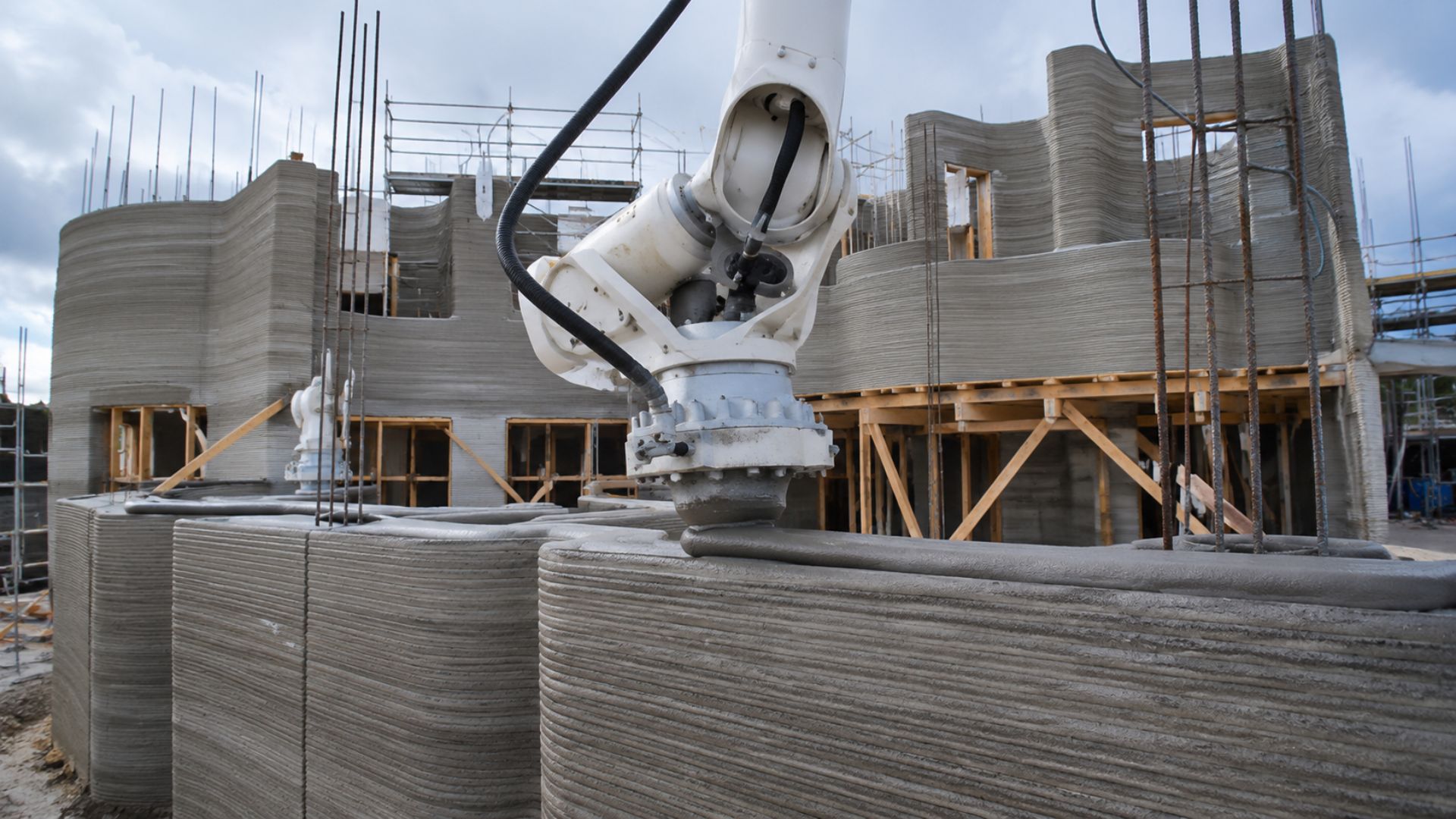
Australia’s First Two-Story 3D-Printed House Built in 18 Hours, 22% Cheaper Than Traditional Methods, Uses Concrete That Hardens in 3 Minutes
-
Architect Converts 1955 Grain Silo into 31m² Home with Full Amenities, Including Kitchen, Bathroom, Curved Living Room, and Loft Bedroom

-
Egypt Partners with China to Build 2 GW Wind Turbine Factory and 2,000 MW Wind Farm in Gulf of Suez, Aiming to Export Across Africa


The construction has been planned with functionality in mind: six highway lanes and a railway line that will serve both passenger and cargo transport. This integration transforms the bridge into a strategic solution for connecting economies and people.
Al-Noor Cities
Two new urban hubs will arise around the bridge, known as the Al-Noor Cities (Cities of Light). In Djibouti, one city will house 2.5 million people. In Yemen, another will accommodate 4.5 million. These cities have been envisioned as development hubs, with modern infrastructure, affordable housing, and space to grow.
This urban planning is not just about buildings; it is about creating vibrant communities where people can live, work, and thrive.
Economic and Geopolitical Benefits of the Construction
The Horn Bridge promises to transform the region’s economic dynamics. By connecting Africa and Asia, the project opens new trade routes and reduces transportation costs. Moreover, the construction and development of the Al-Noor cities are expected to create thousands of jobs, stimulating economic growth.
In the geopolitical landscape, the bridge strengthens the strategic position of Djibouti and Yemen, making them key points for global trade. It’s as if these nations have been placed on an international stage, ready to play significant roles in the future.
But it’s not all as simple as it seems. The construction faces significant logistical challenges, including the need for new highways in cities like Addis Ababa, Nairobi, and Jeddah. Additionally, the governments of Djibouti and Yemen still need to approve the plan.
The high costs and environmental issues are also stumbling blocks. Building something of this magnitude requires more than money; it requires political commitment and international collaboration.
Sheikh Tarek Bin Laden, the visionary behind the project, calls the Horn Bridge “the envy of the world.” He sees the construction as a model for another 98 ambitious projects, including cities in Syria, Egypt, and Sudan.
If this bridge becomes a reality, it will be more than a physical connection. It will be a symbol of innovation, showing that with vision and courage, we can overcome any barrier – even an entire sea.


Avisem aos Houtis a não jogarem mísseis nela….
Eu gostaria de trabalhar nessa ponte
O cara pensa em fazer uma coisa já menosprezando os outros, chamando de invejosos, mas, que tal ele lembrar que a ponte vai ligar dois países miseráveis vivendo ainda na idade da pedra? Isso se essa ponte um dia sair do papel, o que fuvido muito!