Portuguese
  Spanish


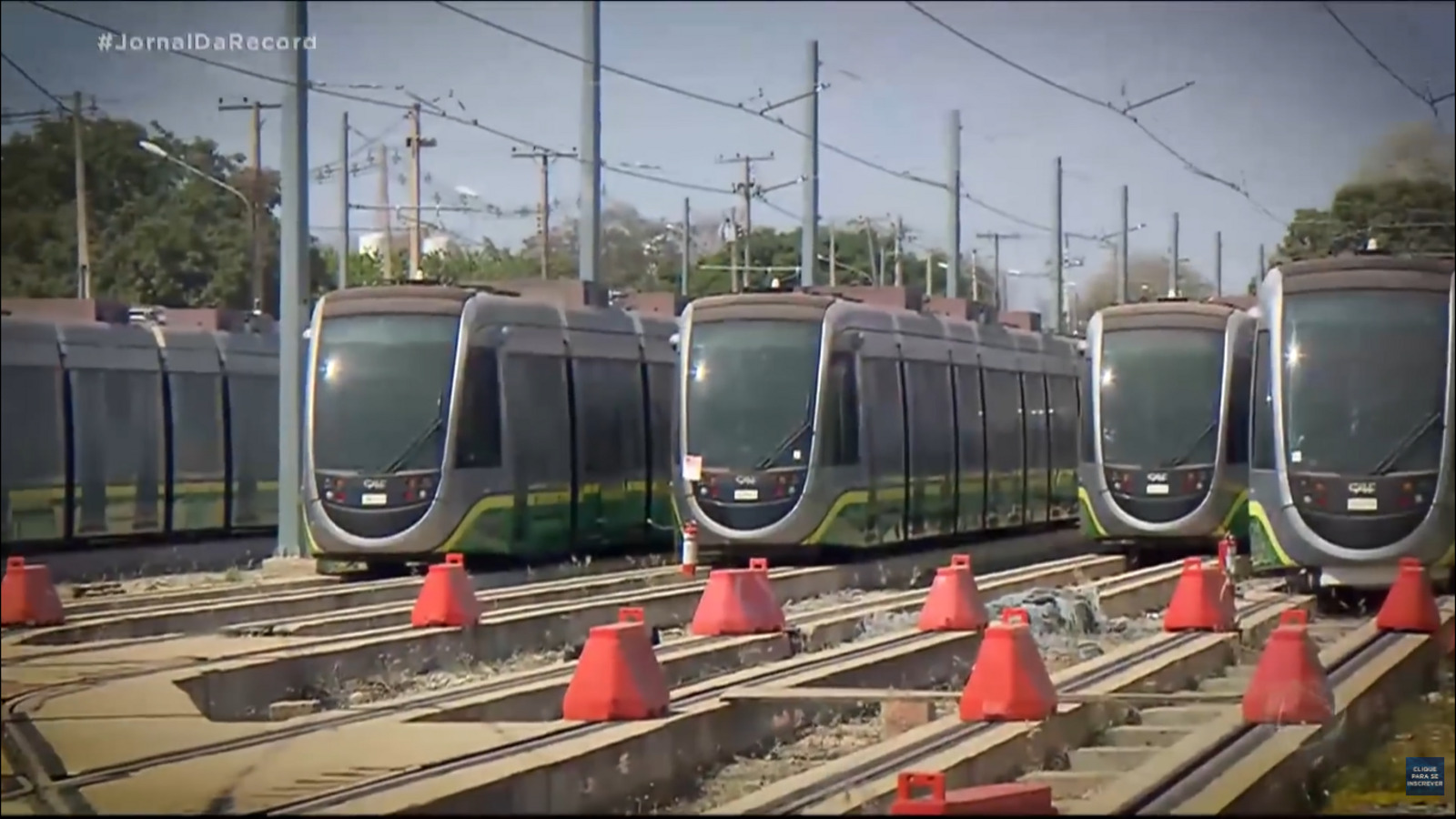

Government of Mato Grosso scheduled for June the sale of parts, tracks, railway signaling, and materials from the old VLT, a project interrupted after unfinished works and replaced by the BRT in Greater Cuiabá
The VLT auction will put up for sale, in June, materials and equipment stored since the stoppage of works in Cuiabá and Várzea Grande, ending another stage of a project planned for the World Cup of 2014.


Government authorizes sale of structures from the old VLT
The notice published by the State Department of Planning and Management allows the sale of structures, parts, and equipment that were part of the railway system intended to modernize public transport.
The list includes technical components that would be used in the operation of the mode and materials accumulated in depots and construction sites after the interruption of works. Some of them were left unused, while others suffered wear over time.
-
Labor shortage reaches the truck drivers’ area: Brazil is already facing a deficit of 120,000 drivers, 65.1% of transport companies feel the impacts, and Mercedes-Benz strengthens training in the face of the new generation of technological trucks.

-
An important sector in Brazil is suffering from a labor shortage, requiring the qualification of 14 million workers by 2027, leading companies to invest R$ 5 million to train professionals and address the technical deficit.
-
With a record production of nearly 3 million barrels per day, Petrobras resumes importing diesel in July, highlighting the bottleneck in Brazilian refining.

-
Micron invested $9.3 billion in a factory in Hiroshima to produce the memory that powers the brain of global artificial intelligence.


Tracks and technical parts enter the VLT auction
Among the available items are tracks, railway signaling systems, electronic equipment, metal structures, drainage materials, and parts related to rail transport infrastructure.
One of the most valuable lots includes equipment aimed at the operation and exchange of tracks. Traffic control signals and traffic signaling systems also appear among the most valuable materials.
The items are located in areas of Cuiabá and Várzea Grande. There are materials in warehouses near Marechal Rondon Airport and in urban sections where part of the structure was installed.
Purchase will require removal and possible disassembly
In addition to the equipment directly linked to the mode, the VLT auction includes old furniture, deactivated computers, cabinets, partitions, and metallic materials that may be destined for reuse or recycling.
According to the notice, buyers will have to remove the items purchased. In some cases, they will also be responsible for disassembling the materials, depending on the conditions of each lot.
The dispute will be held in June, with both in-person and online participation. Before the sale, interested parties will be able to conduct technical visits to verify the condition of the items, including unused equipment and worn-out structures.
Project never went into operation
The sale marks another chapter in the definitive closure of one of the most controversial projects in the history of Mato Grosso.
The VLT had its works interrupted after allegations of corruption, suspicions of contractual irregularities, and federal investigations.
Even with part of the structure implemented, the system never operated. For years, wagons, tracks, and equipment were abandoned, stored while the legal and financial impasse over the future of the mode of transport remained unresolved.
Wagons were sold and BRT progressed
In 2024, the state government completed the sale of the compositions to Bahia, which decided to reuse the wagons in a railway system in Salvador.
With the definitive abandonment of the VLT, Mato Grosso officially adopted the BRT as the new model of public transportation. The bus corridor works are ongoing in the metropolitan area.
With information from Diário de Cuiabá.