






 Portuguese
  Spanish
 2 min of reading
  0 comments



A Leap Toward Sustainability Drives Economic Development
Since the pioneering installation of a wind turbine in Fernando de Noronha in 1992, Brazil has been on an impressive path in adopting wind energy as a key renewable source. Currently, with 30 GW of installed capacity, the country ranks as the third largest producer worldwide of this energy source, surpassed only by China and the United States. The Brazilian Wind Energy Association (ABEEÓLICA) highlights the significant impact of this journey on national economic growth, revealing the existence of 1,016 wind farms and more than 10,941 turbines in operation.
Economic Impact and Job Creation
The development of onshore wind energy in Brazil has been a driver for the economy, generating jobs and fostering growth in Gross Domestic Product (GDP). It is estimated that the addition of a 5.0 GW wind system could create around 67,700 jobs in the supply chain and another 15,000 in operations and maintenance (O&M). This industry not only drives job creation but also promotes the domestic production of equipment, essential for the sustainable advancement of the sector.
Challenges and Opportunities in Maintenance
As Brazil advances in expanding its wind capacity, it faces the challenge of maintaining the equipment already installed. With a fleet of about 10,000 turbines that have been in use for 10 to 15 years, the demand for maintenance services is critical and urgent. Local production and the provision of these services not only ensure the operational efficiency of wind farms but also have a direct positive impact on GDP growth.
-
Brazilian scientists are simultaneously advancing two research projects on clean hydrogen and driving solutions that could transform the energy matrix, enhance industrial competitiveness, and accelerate large-scale emission reduction targets.

-
Advancement in renewable energy: A R$ 150 million project launched by Petrobras and Finep aims to create state-of-the-art electrolyzers for green hydrogen, strengthening national research and preparing Brazil to compete in a billion-dollar energy market.
-
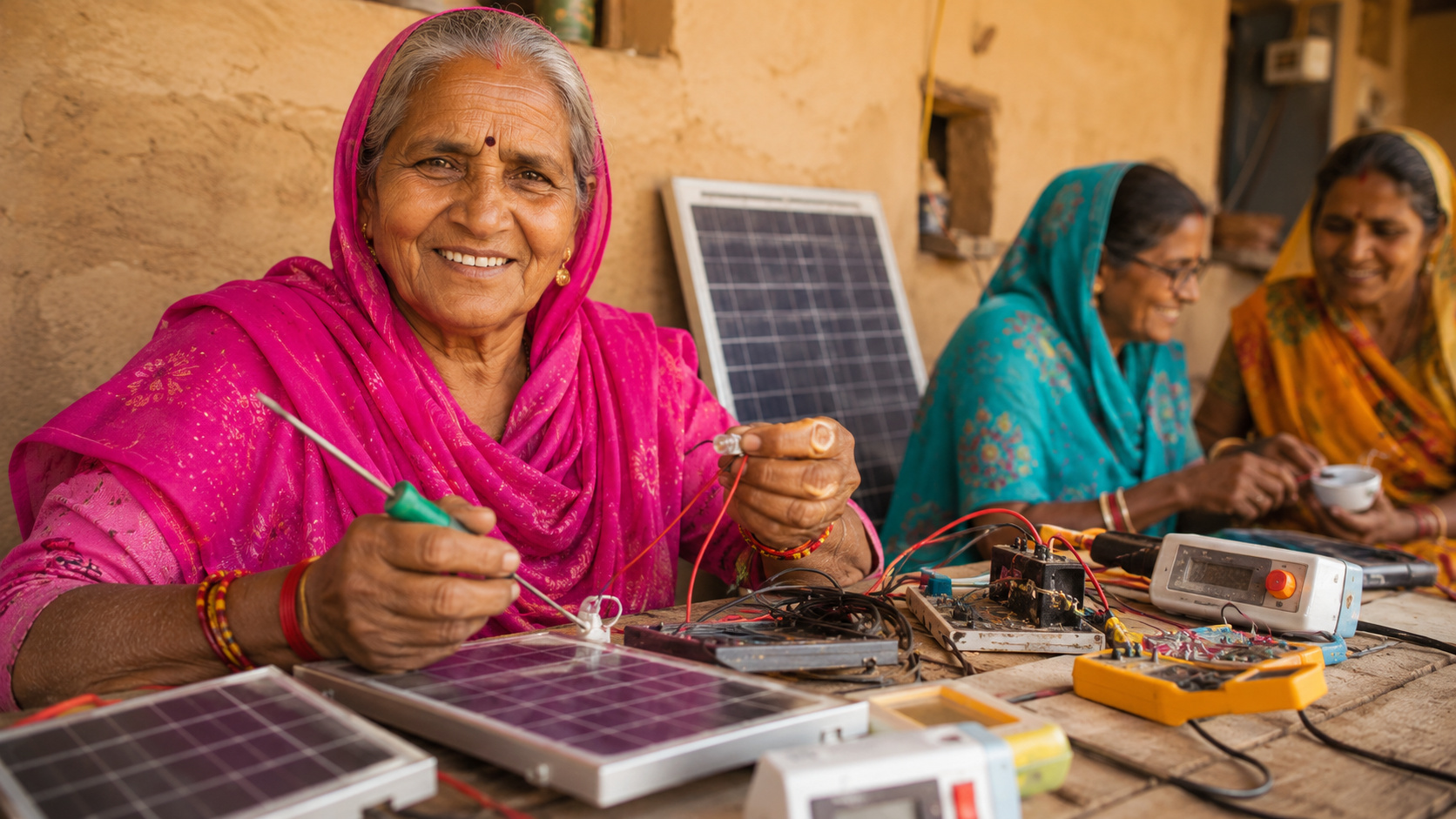
Illiterate or semi-literate grandmothers were trained to repair solar systems, open rural workshops, and light up homes that still depended on kerosene.
-
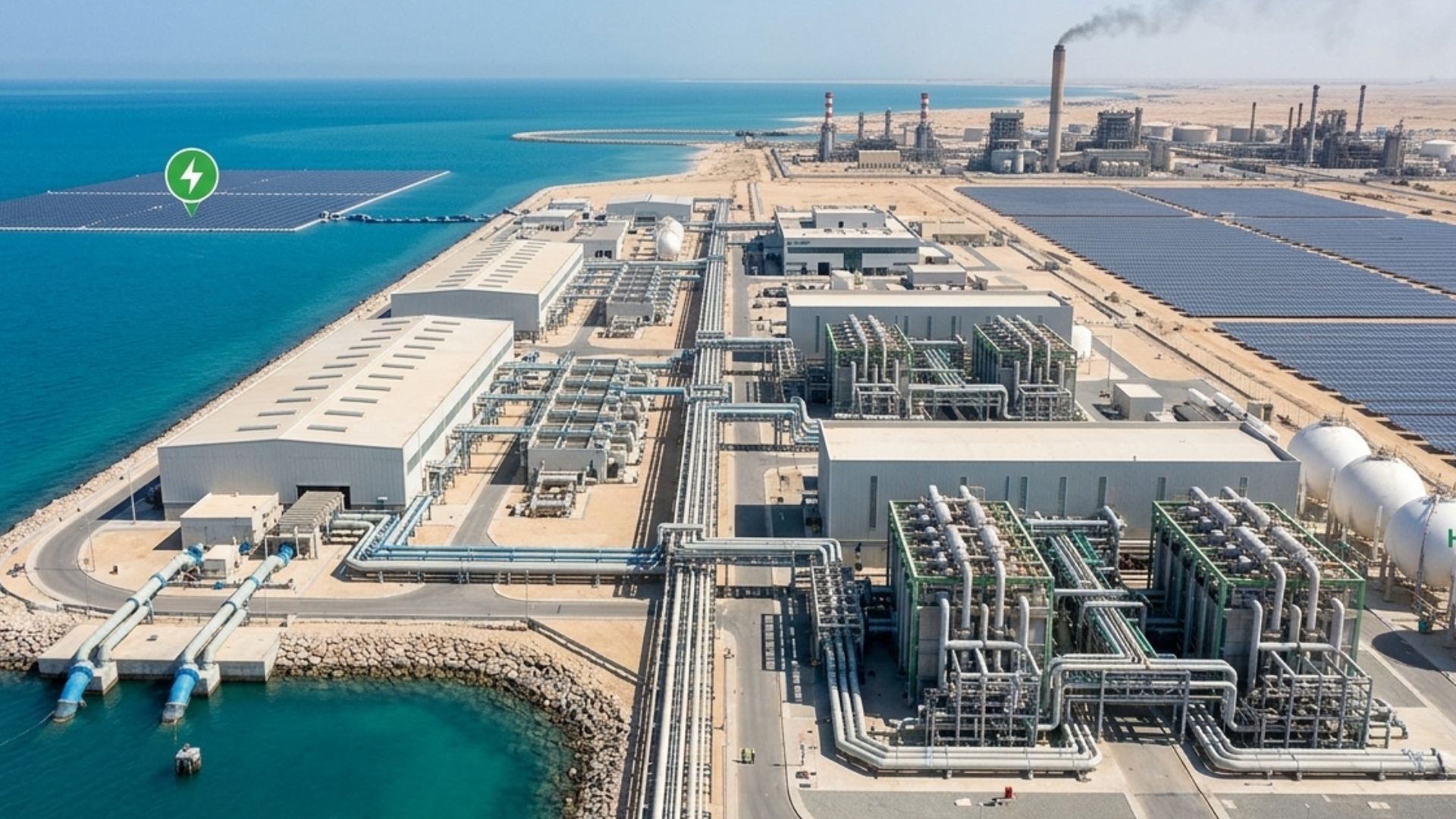
The world has bet on green hydrogen as the fuel of the future, but now faces the side effect: producing 1 kilogram requires about 9 liters of ultrapure water, and the largest projects on the planet are precisely in the driest regions of the Earth, where water is already scarce for people.



The need for technical knowledge and specialization in wind turbine technology is fundamental to sustaining this growth. Thousands of workers and industry professionals need to understand the mechanics of the equipment they manufacture and that which is installed in wind farms. Investment in technical education is crucial for innovation, efficiency, and productivity in the production of renewable energy.
Wind energy is establishing itself not only as a vital component for a greener and more sustainable economy in Brazil but also as a pillar for innovation and technological development. The expansion of this energy source represents a significant opportunity for Brazil to not only meet its growing energy demands but also to position itself as a global leader in the renewable energy sector. With ongoing support for the local supply chain, technology development, and training of qualified specialists, the country can expect not only a more sustainable future but also robust economic growth driven by wind energy.
Source: Dipl. Ing. Mario Larco – Coordinator of standardization ABNT/ABEEÓLICA / CEE – ABIMAQ








Be the first to react!