Portuguese
  Spanish




AI As A Driver Of Sustainability In The Industry
The base industry is undergoing a significant transformation with the introduction of Artificial Intelligence (AI) in its processes. This change, aligned with the international landscape, aims primarily to achieve sustainability in its processes. A free course, conducted by the Brazilian Association of Metallurgy, Materials and Mining (ABM) in partnership with Enacom, addresses the innovations and applications of AI in the secondary sector.
Industrial automation, driven by AI, is becoming an increasingly tangible reality globally. A survey by FutureBright Research in early 2023 predicts that AI-equipped machines will surpass 16 million units in operation next year. This new phase, known as Industry 4.0, combines mass production processes with cutting-edge technology to optimize results in various areas.
Impact Of AI On Industrial Sustainability
A recent study published by Nature in July 2023 highlights the significant contribution of AI to sustainable development in the industry, especially in the segments of metallurgy, materials, and mining. The use of AI can help these companies achieve up to 79% of the United Nations Sustainable Development Goals (SDGs), covering everything from combating poverty to environmental protection, including the reduction of carbon emissions impact.
-
They exchanged the idea of a large house for a 35 m² warehouse, spent US$ 12,000 on the structure, and created a tiny house in Colorado with space to live and work.

-
While modern cities rely on pumps and electricity, in Iran, ancient tunnels carried water through the desert using only slope and gravity.
-
Instead of sending families far from the city, a project in Chile intentionally created incomplete houses on expensive urban land and left technical space for each to grow.
-
General Motors Replaces Over a Thousand Workers with 50 Cobots at Electric Vehicle Plant, UAW Union Criticizes Move Amid Industry’s Automation Push


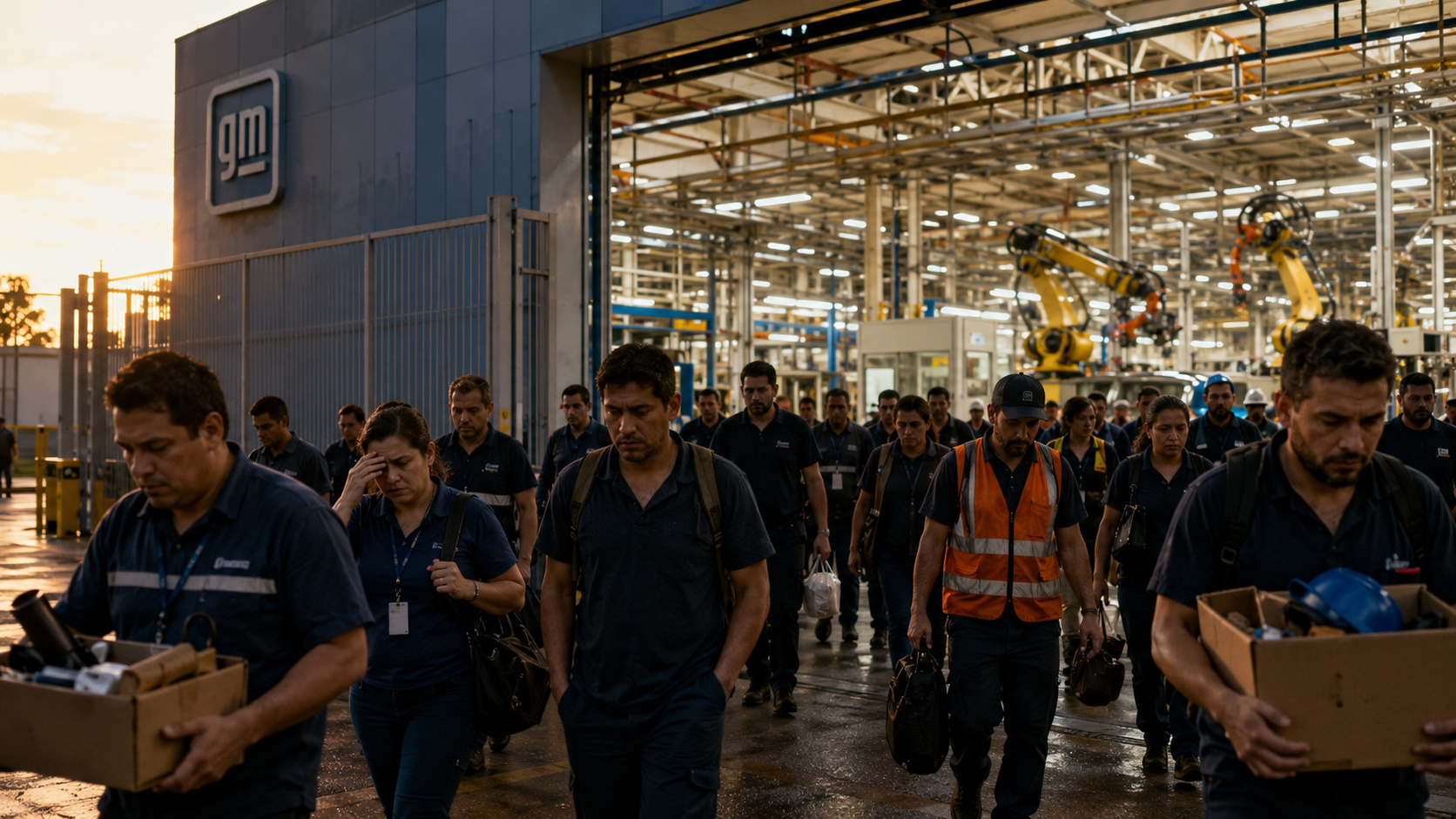
AI offers automation, process optimization, and advanced data analysis, increasing productivity and reducing costs. Valdomiro Roman, Operations Director of ABM, emphasizes the importance of international, academic, and business collaboration in adopting AI in the industrial sector. Common standards and regulations have allowed the base industry to make the most of AI advancements, facilitating the dissemination of best practices and innovative solutions.
Free Course To Explore AI In Industry 4.0
To expand access to knowledge about technological trends in the base industry, ABM, in partnership with Enacom, offers the free course “Industry 4.0 and Its Applications.” Douglas Vieira, CEO of Enacom, highlights that the course explores emerging technologies and digital transformations in the industry, deepening knowledge about Industry 4.0 and its applications. The course is available to interested audiences at the following link: Online Course on Industry 4.0 and Its Applications.
This movement towards the integration of AI in the base industry is a significant milestone, not only for the industrial sector but also for the economy and the environment as a whole. With the implementation of smart and sustainable technologies, the Brazilian industry is positioning itself to face future challenges and contribute to a more sustainable and efficient world.
Source: FutureBright Research – Milena Almeida