






 Portuguese
  Spanish


More Than 13 Thousand Ships Cross the Panama Canal Every Year, One of the Most Strategic Maritime Routes in the World, Essential for Global Trade and the Geopolitics of Latin America
More than 13 thousand vessels cross every year one of the most impressive engineering feats in modern history: the Panama Canal, an artificial waterway that transformed international trade and positioned Latin America as a strategic hub of global maritime routes.
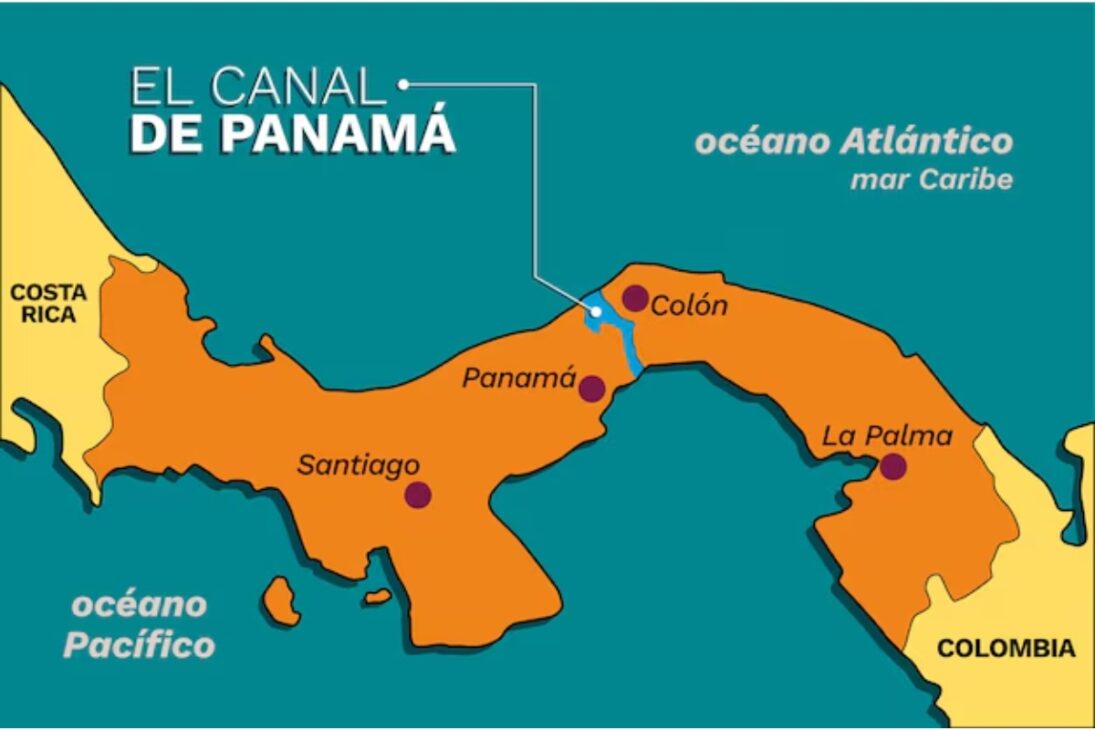
Since its inauguration in 1914, the canal connects the Atlantic Ocean to the Pacific, allowing ships to avoid the long and dangerous route around the Horn Cape at the southern tip of the continent. This feat not only shortened distances but redefined global maritime logistics, making Panama one of the most valuable and geopolitically contested points on the planet.
A Vital Corridor for Global Trade
Approximately 6% of all global maritime trade passes through this route every year. Thousands of ships transport oil, grains, ores, manufactured products, and containers filled with goods.
-
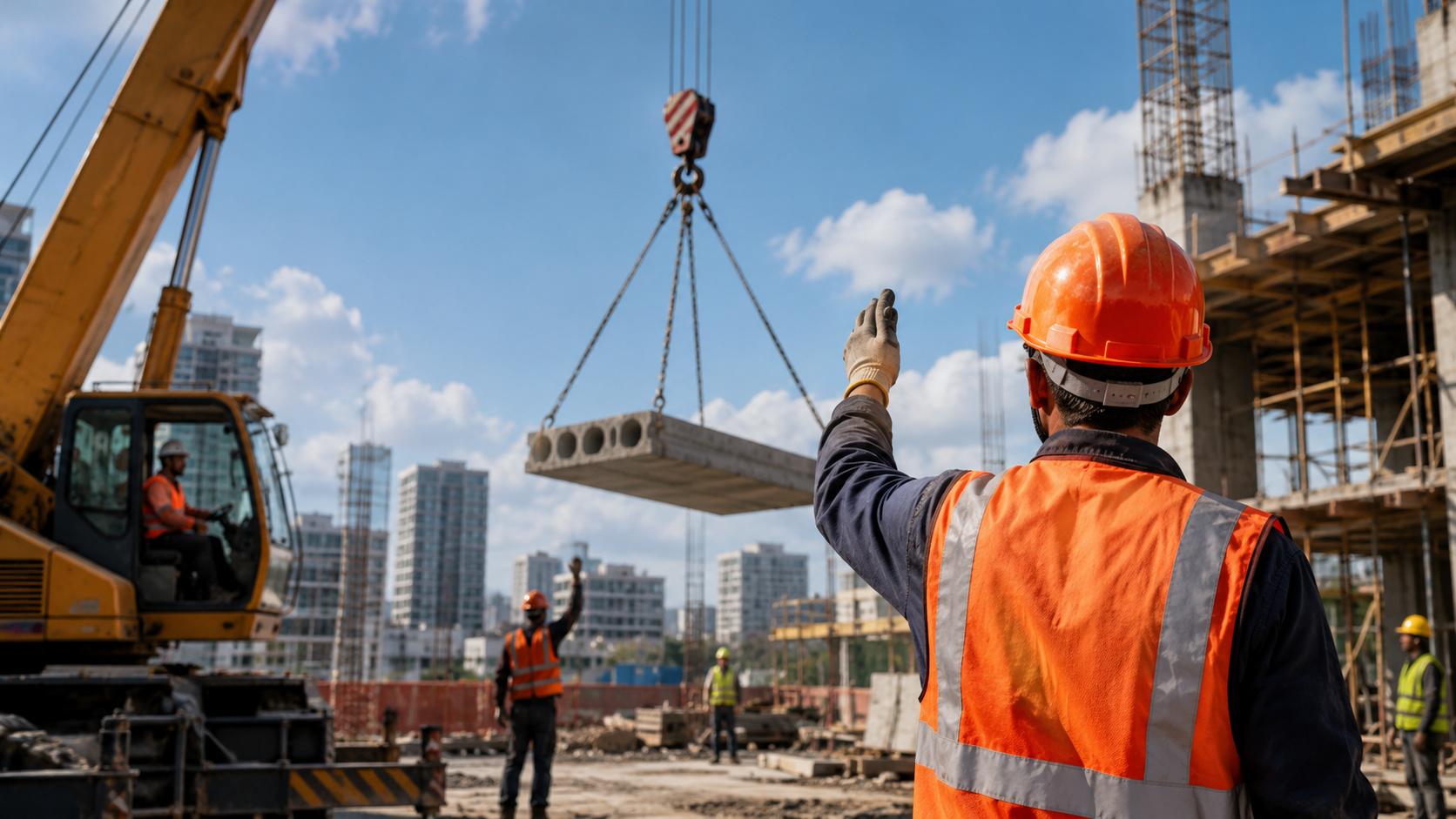
Why can the crane operator only obey the correct signalman on the construction site: among dozens of workers, a hand raised by the wrong person can confuse the maneuver and turn a load of tons into an immediate risk.

-
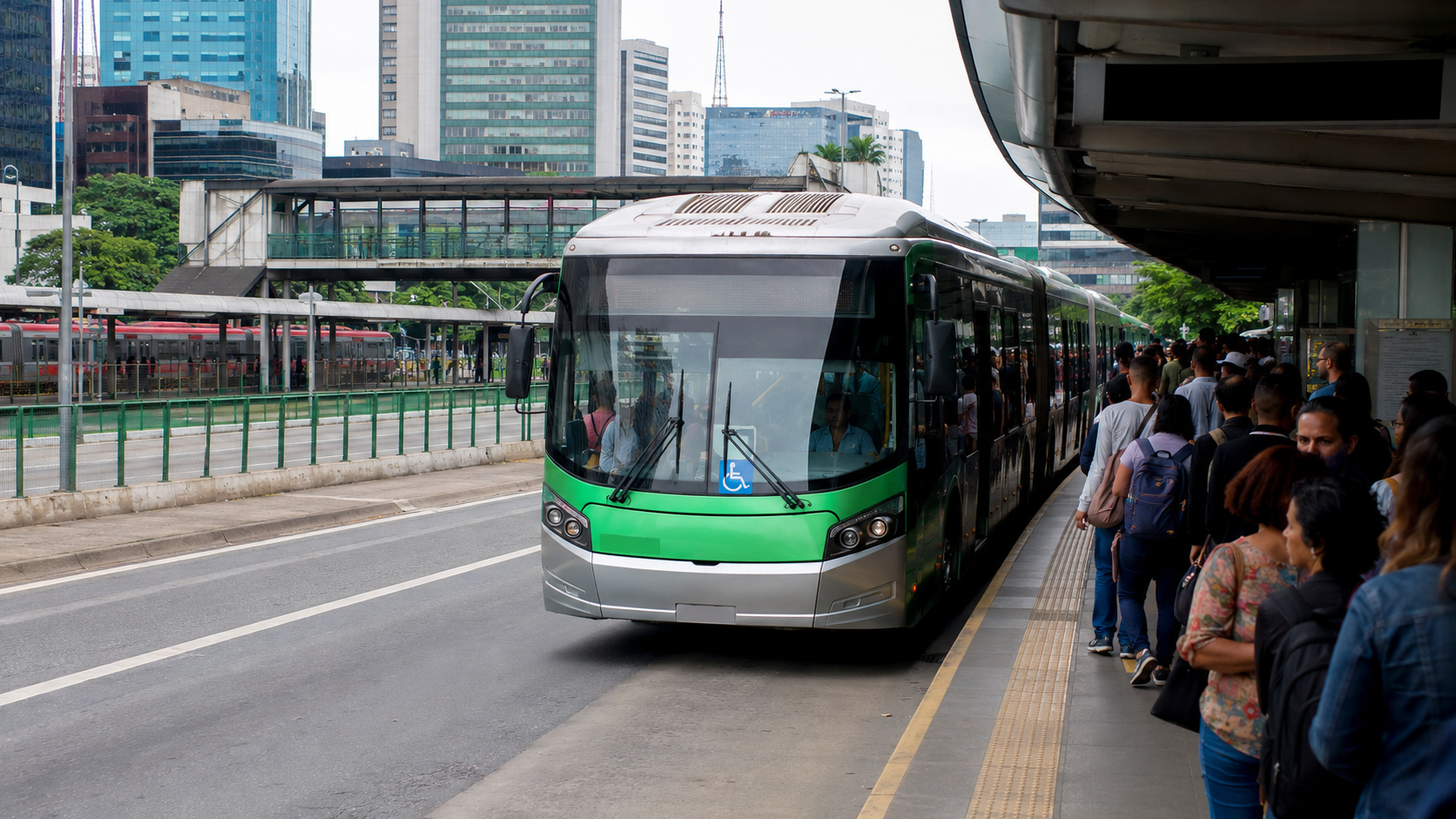
What changes with the new public transportation rules that can reduce pressure on fares and pave the way for zero fare in Brazil?
-
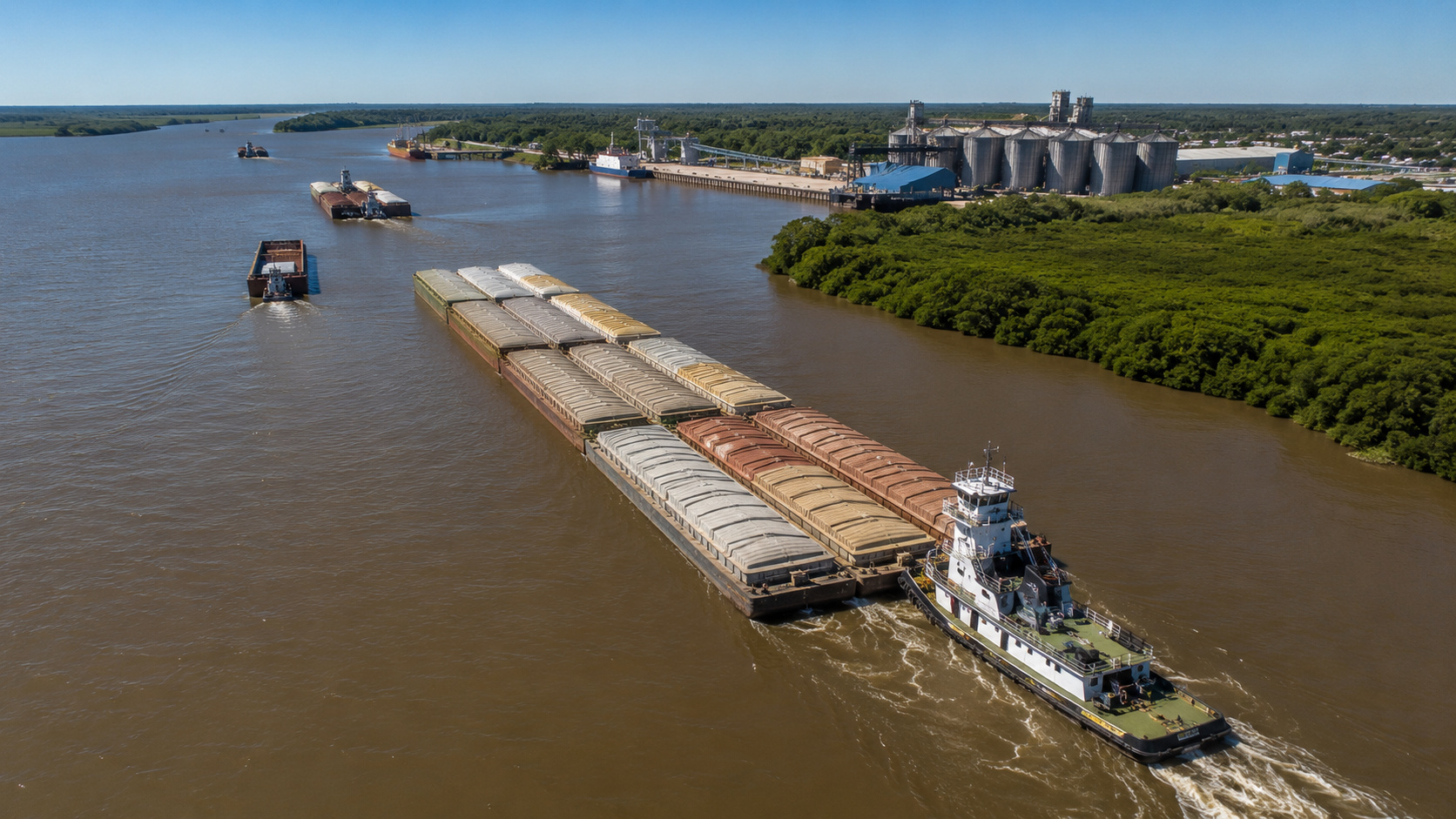
Argentina confirms Belgian giant to lead strategic Paraná River waterway and promises to reduce logistical costs on one of South America’s most important routes
-
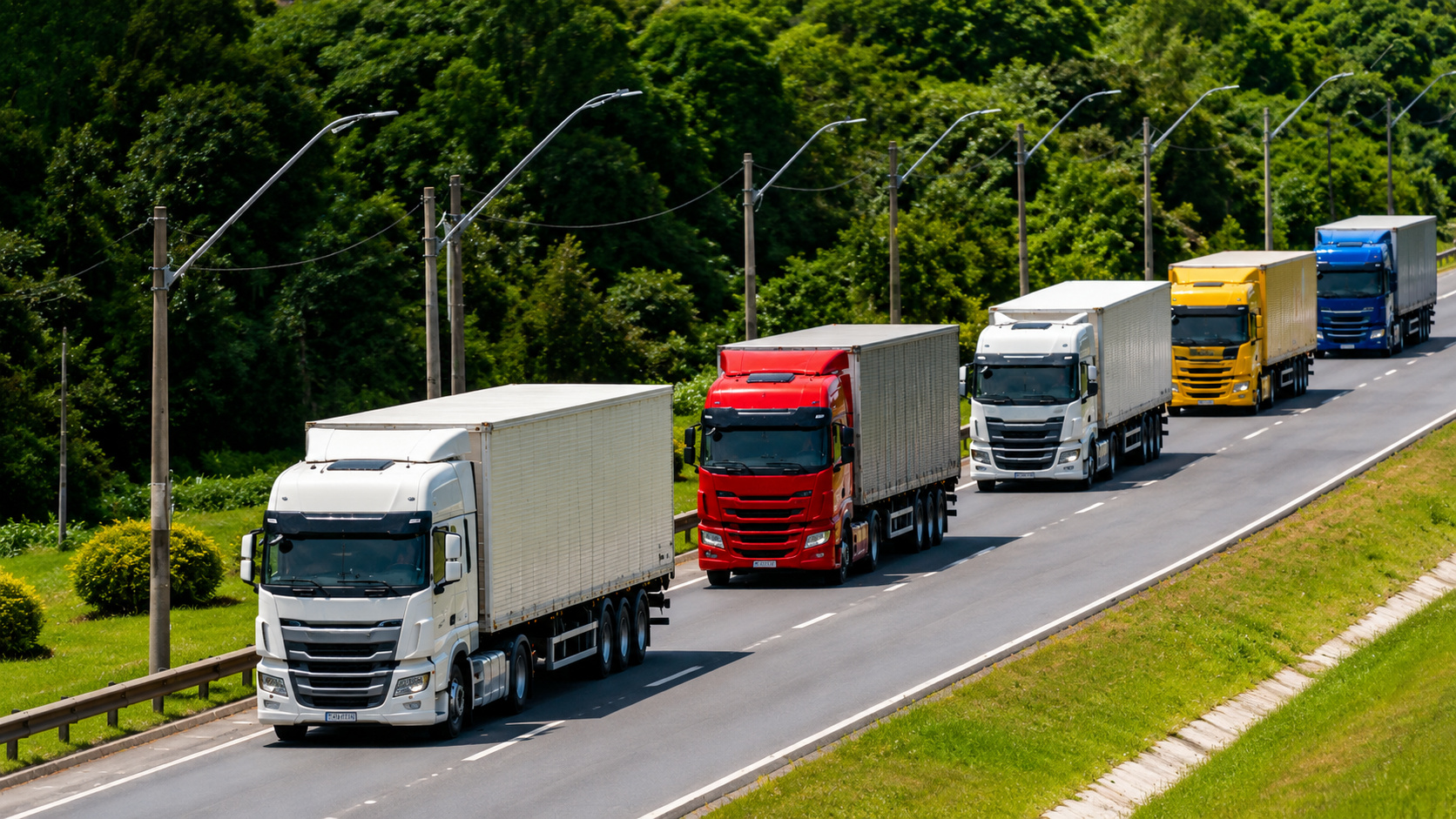
MBRF surprises the logistics sector by demonstrating how Artificial Intelligence can directly influence deliveries throughout Brazil by reorganizing distribution routes in seconds, optimizing fleet usage, reducing logistics costs, and speeding up product arrivals even in the face of unforeseen road incidents.
Any interruption in its operation, even for a few hours, has the potential to affect entire supply chains and alter the prices of fuels and food on a global scale.
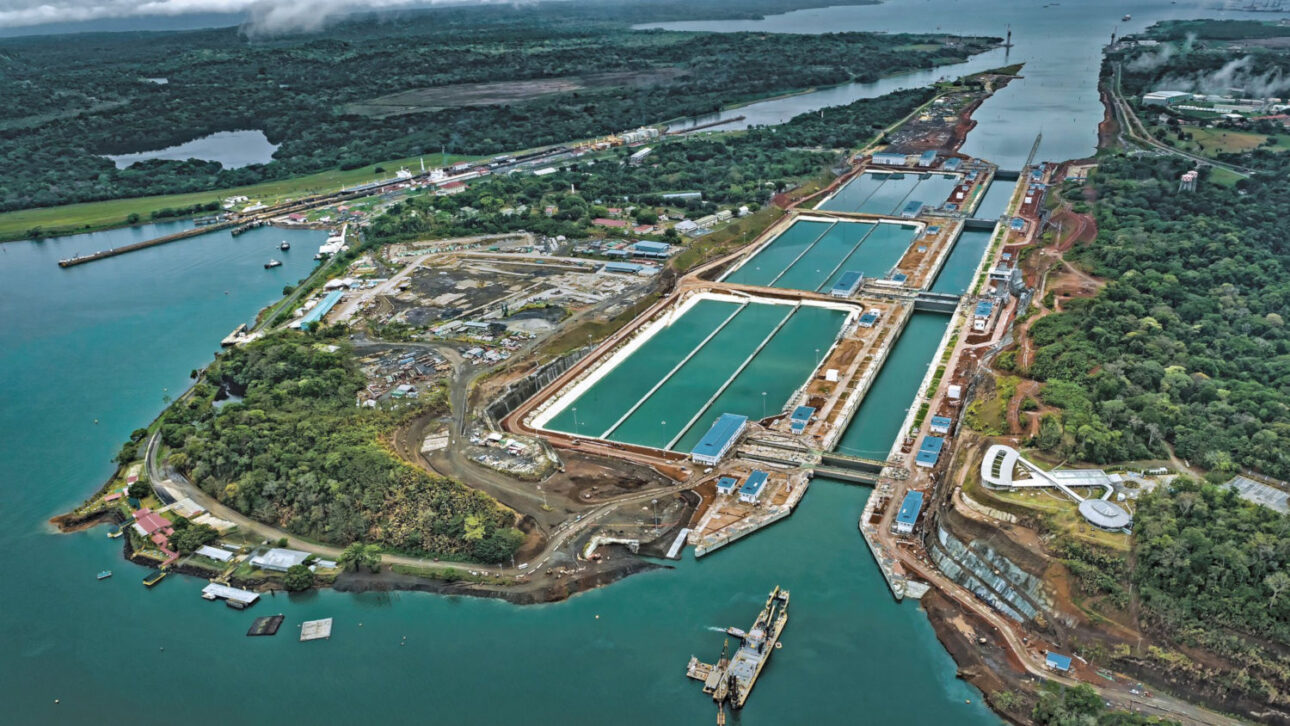
The secret to its relevance lies in both the engineering of its locks and its strategic location. The canal stretches about 82 kilometers between the oceans, with a width that allows for the passage of large vessels. Along the route, the locks raise or lower ships according to the water level, balancing the difference between the sea and Gatun Lake, located in the country’s center.
Engineering That Changed Geopolitics
Unlike the Suez Canal, which links two seas at the same level, the Panama Canal uses a system of hydraulic locks that operates like an elevator for ships. This technology, innovative for its time, is still considered one of the most complex ever created by human engineering.
The canal can accommodate ships with a draft of up to 12.5 meters, making it compatible with most commercial and oil vessels. Furthermore, the system of maritime tolls is one of the main sources of revenue for the country, responsible for billions of dollars annually in collection. The fee varies depending on the size of the vessel and the type of cargo transported.
Modernization and Future of the Route
To remain competitive, Panama undertook a monumental expansion in 2016, known as the Expanded Canal, which allowed the passage of much larger ships, known as Neopanamax vessels, doubling the cargo capacity and ensuring that the structure remains relevant in the 21st century.
Despite the advancements, the canal faces growing challenges: climate change reducing water levels, global economic pressures, and political disputes for influence in the region. Nevertheless, it continues to be one of the main arteries of international trade, a symbol of human ingenuity and a key piece in the logistical stability of the planet.
In times of geopolitical tensions and logistical bottlenecks, the Panama Canal continues to prove that Latin America occupies a central role in the routes that drive the global economy. An 82-kilometer waterway capable of altering the fate of millions of tons of cargo, and entire nations.


