






 Portuguese
  Spanish


Discover The History Of Zebu Cattle, The Breed That Adapted To The Brazilian Tropical Climate And Propelled The Country To World Leadership In Beef Exports.
In early May, the city of Uberaba (MG) becomes the center of global livestock farming. About 400 thousand people and 2.5 thousand cattle gather at ExpoZebu, a fair dedicated to the zebu breed. This cattle, genetically improved in Brazil, is the foundation that allowed the country to export 2.9 million tons of beef in 2024. The trajectory of this “super cow” explains how Brazil became the largest beef exporter on the planet.
The Million-Dollar Genetics Behind Brazilian Livestock
The zebu cattle impress with their size. “Zebus are enormous. They are tall, some reach 1.80 meters, have large horns, white skin, and a hump over the neck,” describes photographer Carolina Arantes. She documented the breed’s development for 10 years. According to Arantes, they have been crossbred for years to provide the best meat.
At ExpoZebu, the best specimens are showcased and evaluated by judges. Cowboys dedicate incredible care to these animals, with daily baths and preparation for the parades. Winning an award at the fair can generate enormous financial returns.
-
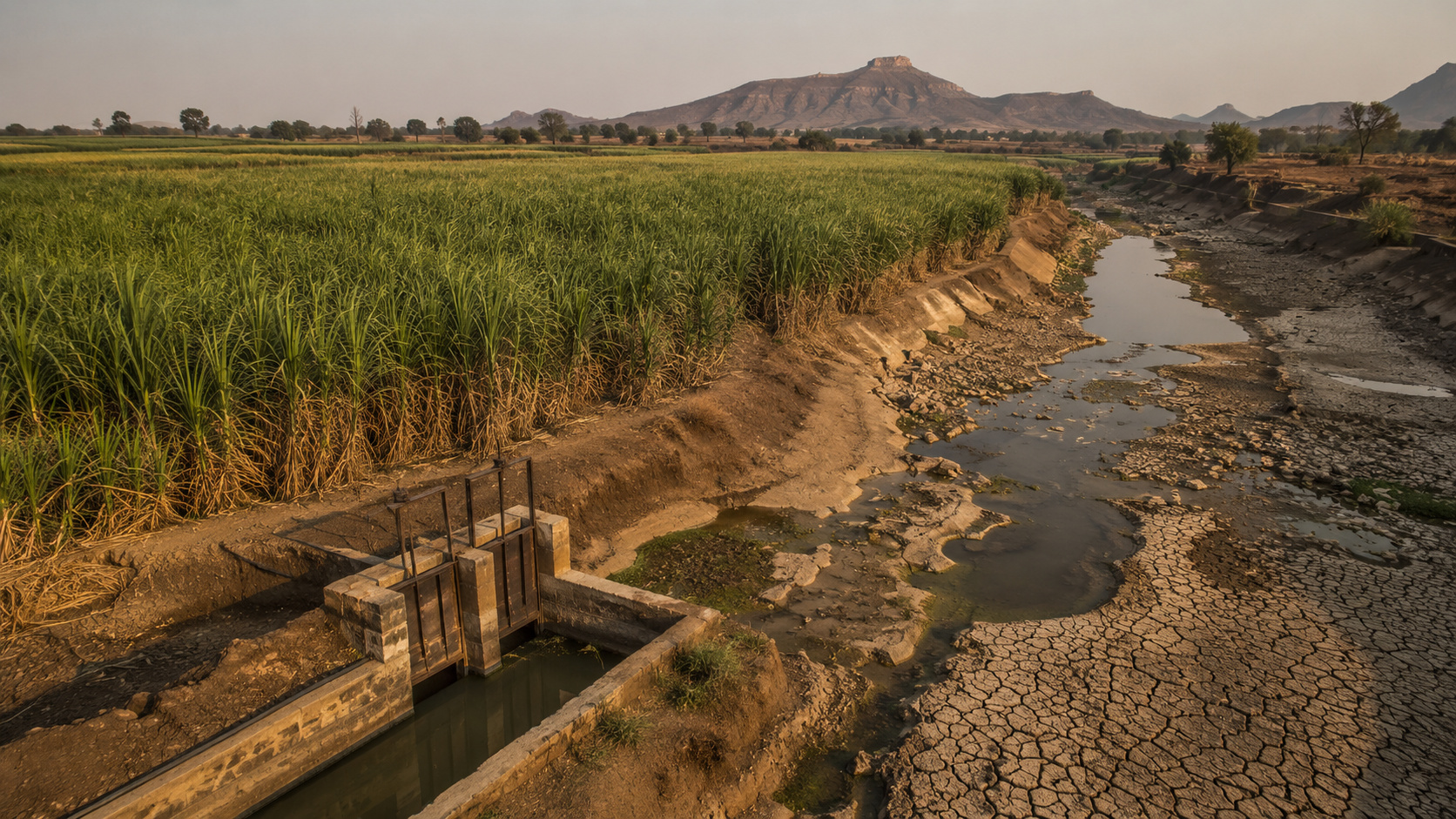
Sugarcane Cultivation in India: A Symbol of Water Stress and Environmental Strain Amidst Global Demand for Sugar and Green Fuel

-
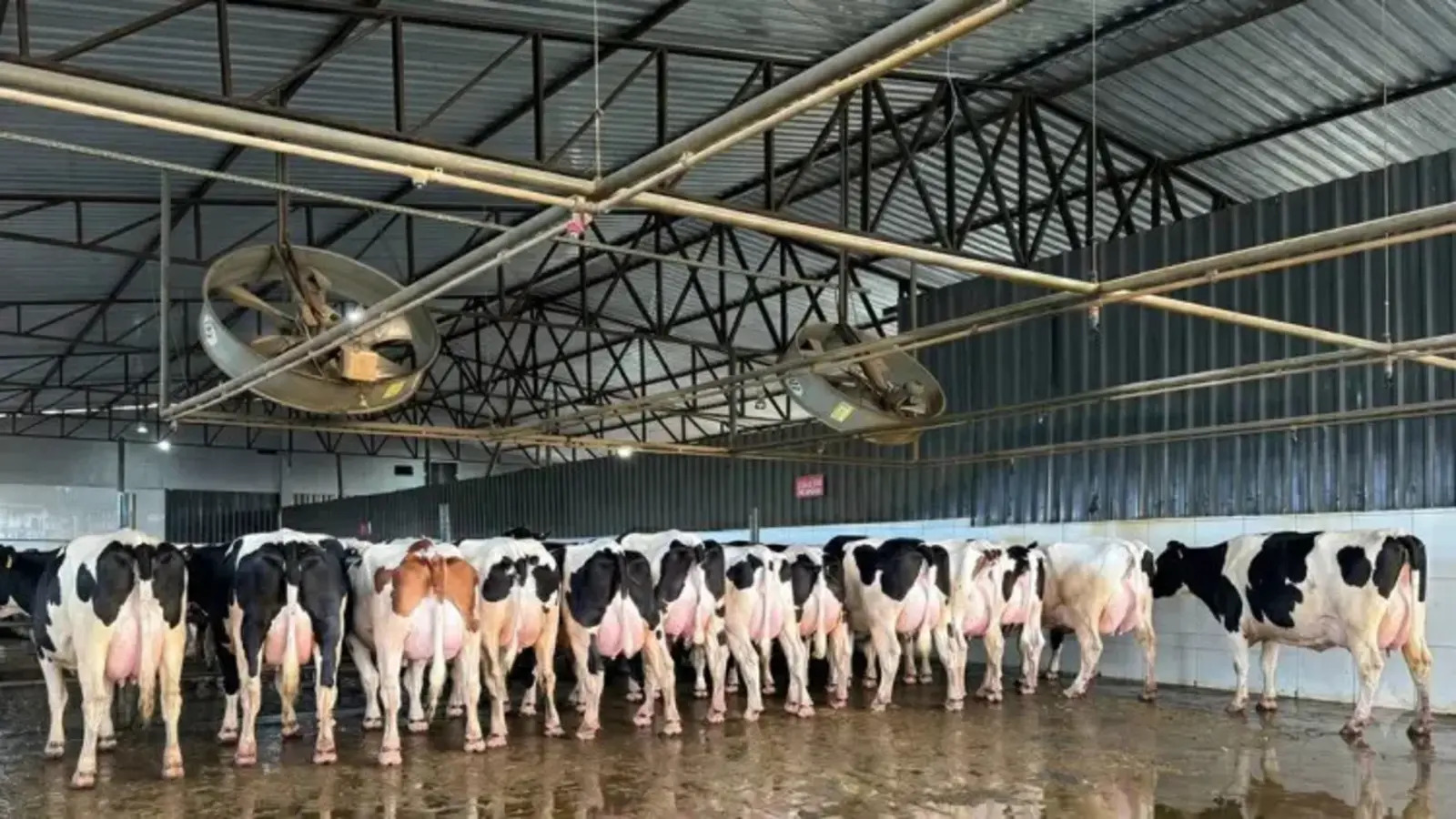
Innovative Farm in Northeastern Brazil Combats Drought with Advanced Techniques, Aiming for 10,000 Liters of Milk Daily Production

-
Australian Desert Farm Uses Solar Power and Seawater to Produce 15,000 Tons of Tomatoes Annually, Resembling a Sci-Fi Agricultural Innovation

-
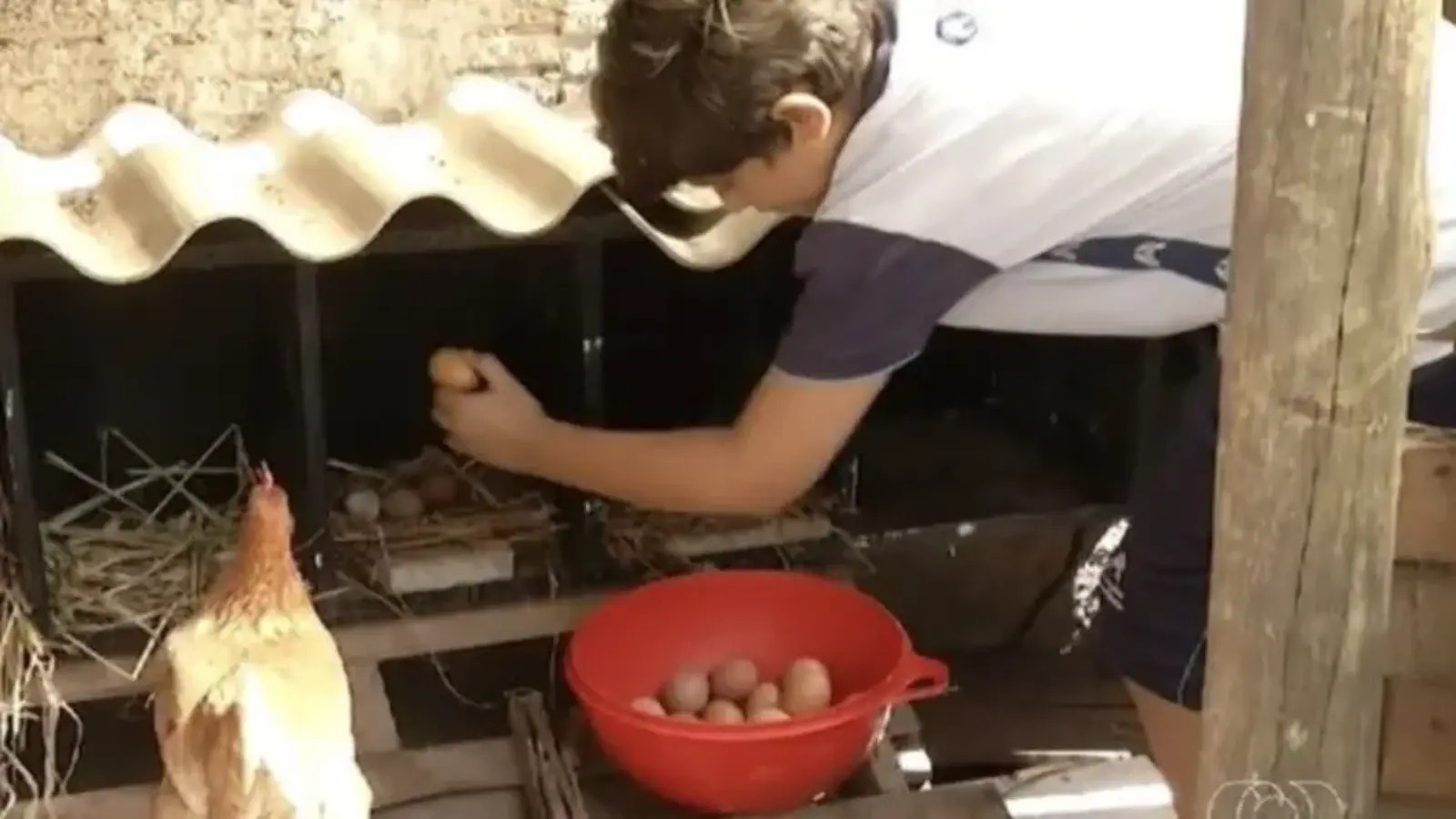
Brazilian Child Becomes National Role Model by Turning Financial Education Lesson into Thriving Poultry Business with 25 Hens and 150 Eggs Weekly

In addition to competitions, auctions take place. Last year, a single cow was sold for R$ 25 million. High-value animals like this do not go to the slaughterhouse. Their genetic material is used to breed the next generation. A bull named Gabriel, for example, became a celebrity by siring 600 thousand calves through his semen.
This genetic work has resulted in a herd of 225 million cows in Brazil, and producers aim to double this number.
From India To Brazil: The Historic Journey That Boosted National Livestock
Brazilian livestock farming began in the 16th century with Portuguese colonization. The predominant cattle were the criollo, small in size, which were not suited to supply the large cities.
In the 19th century, Brazil wanted to enter the international market, but for that, it needed to expand production to the northern tropical climate, where criollo cattle did not thrive well. “They were very vulnerable to pests, and the heat drastically reduced reproduction rates,” explains historian Oscar Broughton.
The solution came from India: zebu cattle. “Zebu are much more resistant to high temperatures, diseases, and pests than other European animals,” Broughton states. Their adaptive advantages were perfect for the tropics. Thus, between 1893 and 1914, Brazil imported over 2 thousand heads of zebu, which became the foundation for the national breed, the Indubrasil.
The Consolidation Of A Power: Wars, Technology, And Political Influence
World War I and World War II drastically increased the demand for meat and leather, making beef the most valuable export product of Brazil, surpassing coffee and sugar.
After the military coup of 1964, meat production was seen as strategic. In the 1970s, Embrapa (Brazilian Agricultural Research Corporation) was established. Its scientists modernized production with new pastures, cures for diseases, and soil improvement, allowing livestock farming to advance into the Amazon basin.
This growth gave immense power to cattle ranchers. The “BBB: Bullet, Beef, and Bible” bench emerged, a conservative coalition in Congress that defends agribusiness interests. “Currently, this is a very powerful force in Brazil,” highlights Broughton.
The Climatic Cost Of Leadership And The Environmental Debate
Leadership in livestock has an environmental cost. According to economics professor Marcos Barrozo, the impact occurs in two ways. The first is through methane production, a potent greenhouse gas. The second is the land-use change, primarily deforestation in the Amazon to create pastures.
However, there is one positive piece of information. Zebu grows fast, which means it has a shorter lifespan. This allows for “producing more meat in less time, with fewer direct emissions and less land use per kilogram of product,” Barrozo points out. Nonetheless, livestock farming in the Amazon remains a political and economic challenge for local governments.


