





 Portuguese
  English
  Spanish
  5 min of reading
  10 comments


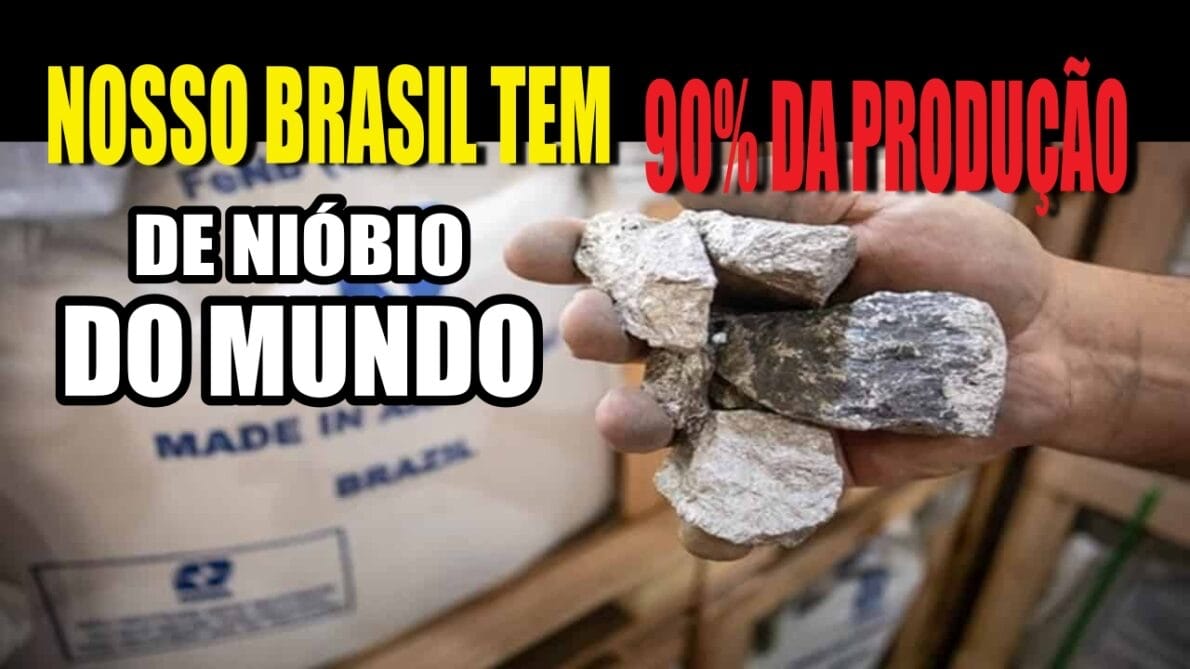


Mining Revolution! Discover the Crucial Role of Brazilian Niobium and How It Promises to Save the Planet: 90% of Global Production Is in Brazil, with an Annual Capacity of 150 Thousand Tons.
Among the numerous mineral resources in Brazil — which include everything from iron ore and gold to precious stones and copper — there is a niche metal that few countries can produce on a large scale: niobium. CBMM (Brazilian Company for Metallurgy and Mining), the largest global producer of the metal, explores new uses and believes that niobium will play a crucial role in electric batteries for heavy vehicles such as buses and trucks.
Brazil stands out as the leading producer and holder of niobium (Nb) reserves, contributing approximately 90% of global production and holding 95% of known reserves. The most significant reserves are located in Minas Gerais, Amazonas, Goiás, Rondônia, and Paraíba.
CBMM estimates that its mining operation in Araxá, Minas Gerais, is responsible for 75% of the global supply of niobium. The Barreiro deposit represents the largest on the planet with declared reserves, encompassing an estimated mineable reserve of 527 million tons with a niobium content of 2.1%, as well as being part of the carbonatite complex in Araxá, one of the most extensive in Brazil, about 83 million years old.
-
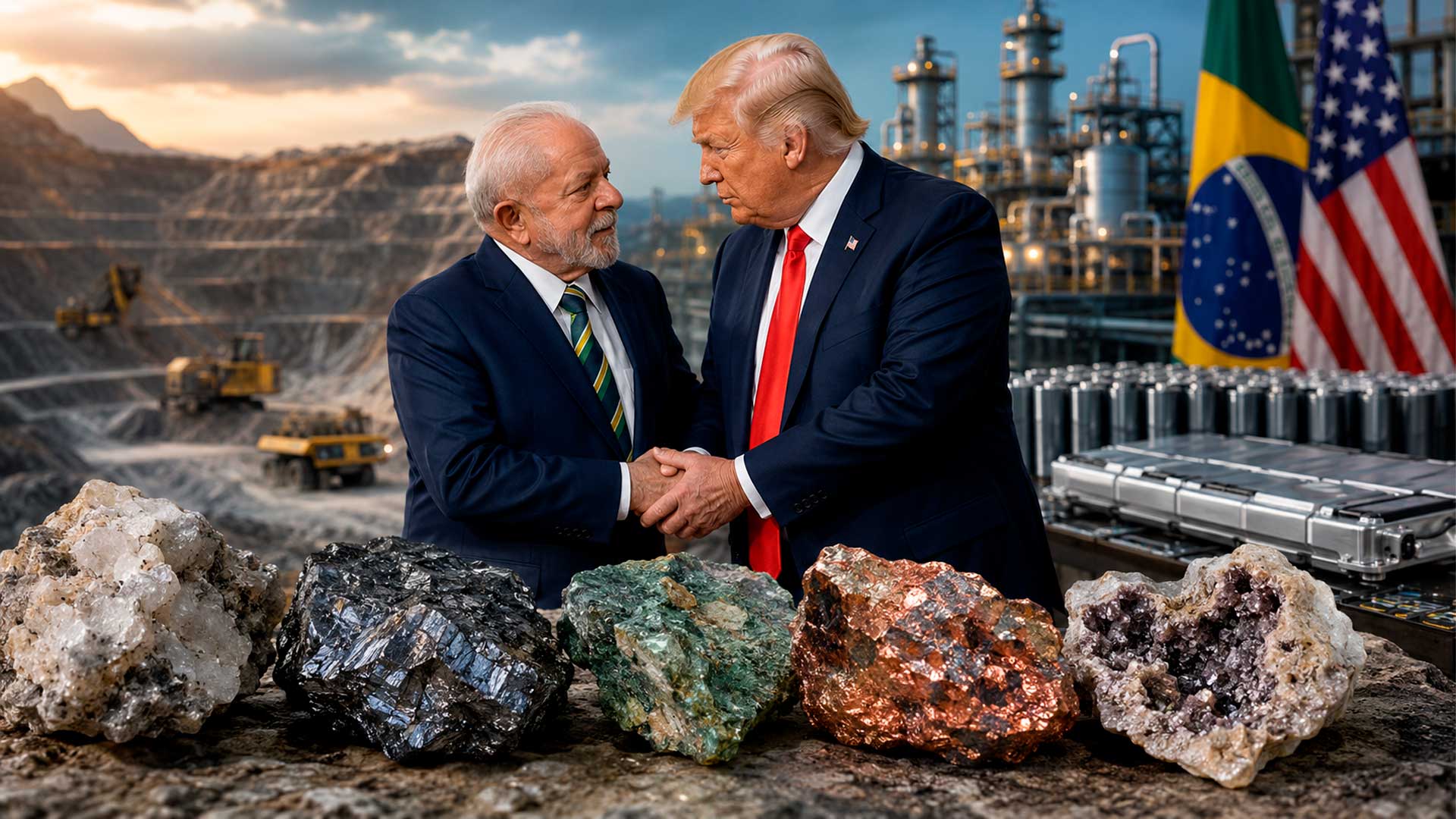
While other countries compete for clean energy minerals, the USA looks to Brazil and promises to seek financing for projects involving rare earths, lithium, nickel, and graphite.

-
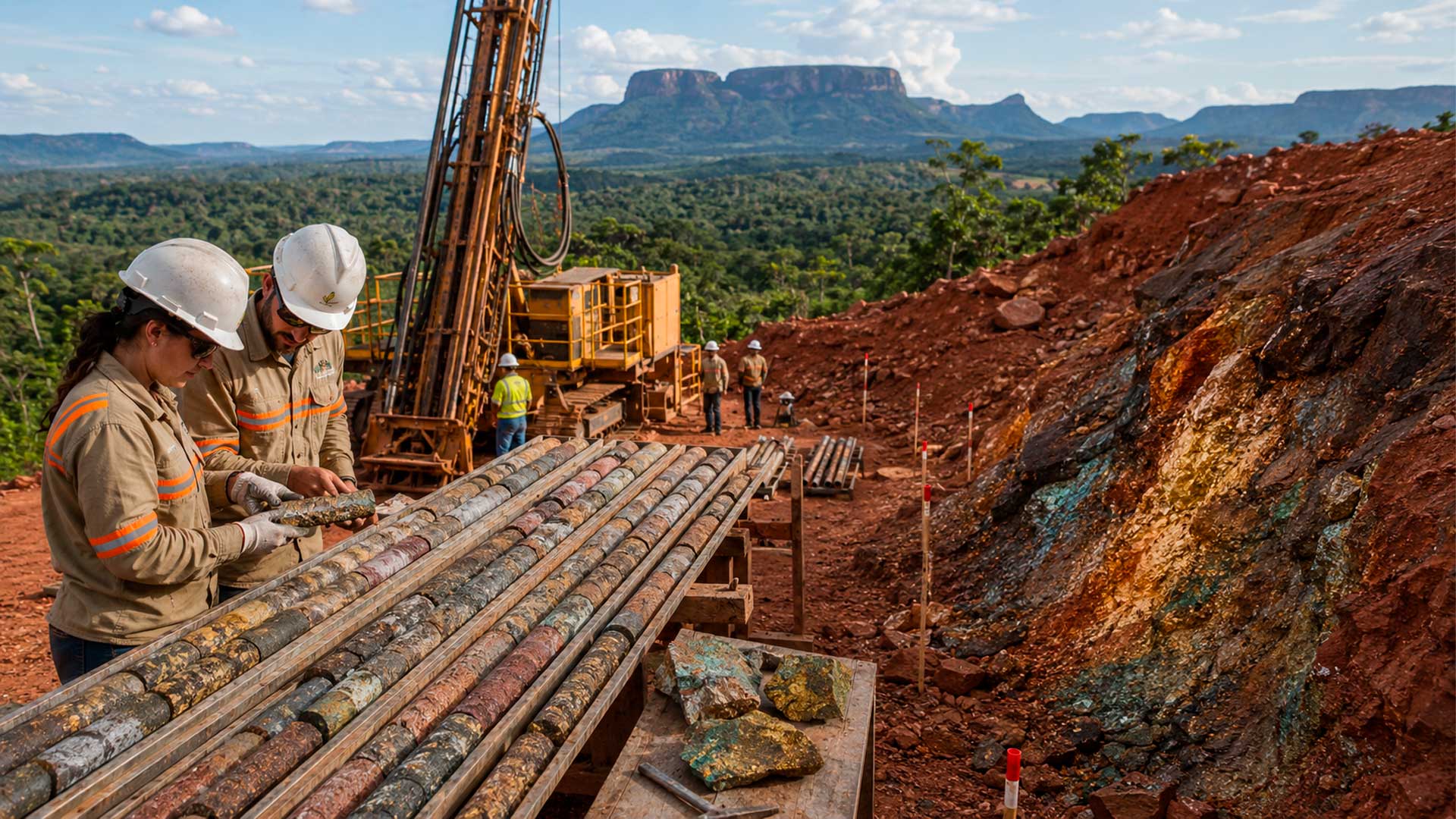
The mining company was drilling hundreds of meters below the already mapped area in Pará when it discovered new copper and gold zones in Furnas, a project that could operate for 24 years alongside Vale.
-
From 30 cooperators to an agro-industry that brings together 390 families, from the agrarian reform in Paraíba, embarking on a historic leap, the first goat milk powder industry from family farming in the Northeast, a R$ 3.75 million project to tackle the drought in the Semi-Arid region.
-
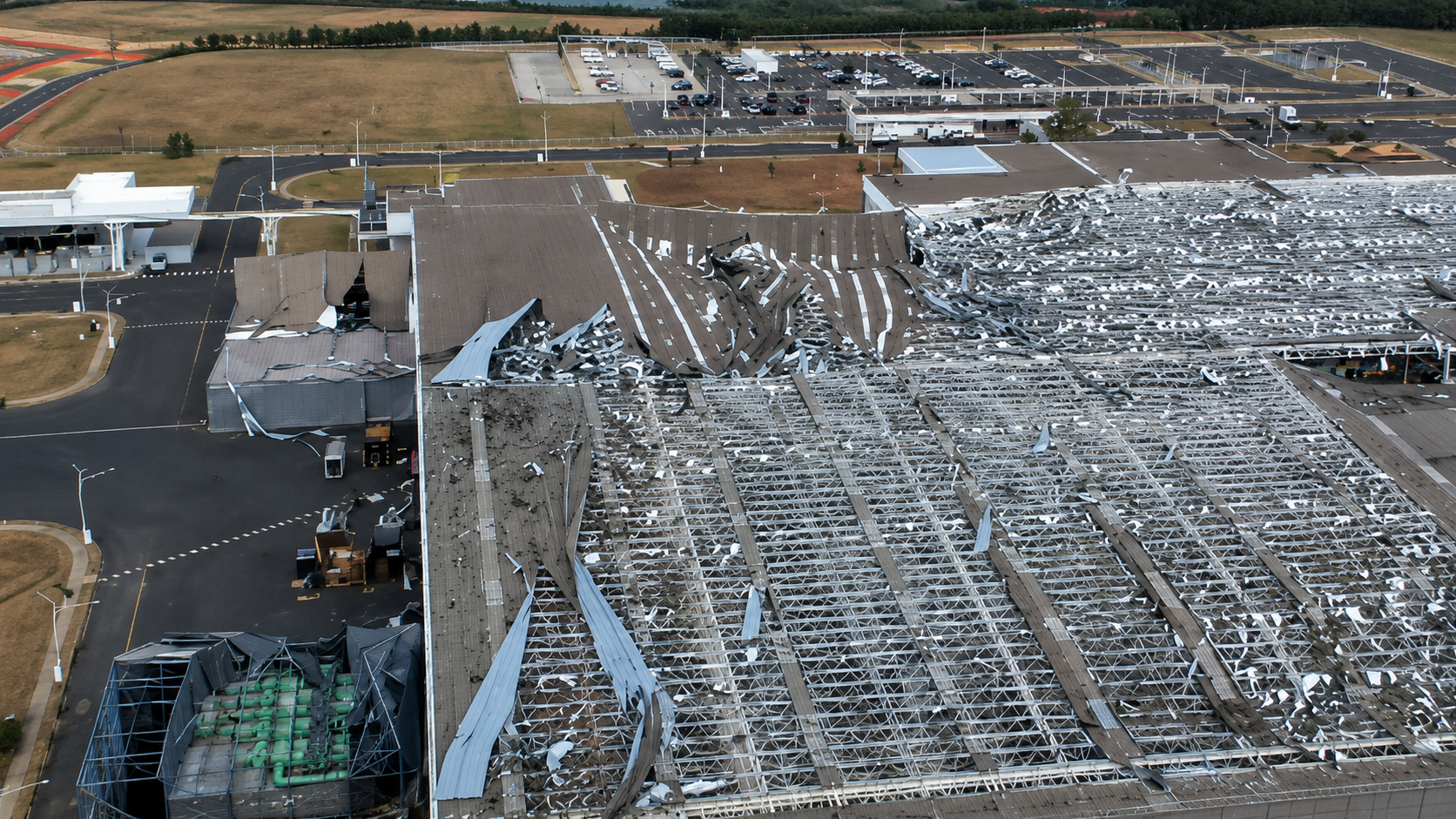
Toyota’s factory in Porto Feliz has been completely demolished after a windstorm, and rebuilding from scratch changes the engine plan until 2028.


See the Production of This Abundant Mineral in Brazil and How It Promises to Save Our Planet!


Niobium Strengthens Steel, Providing Greater Corrosion Resistance and Higher Melting Points
For decades, the metal has mainly been used in metal alloys to strengthen steel, providing greater corrosion resistance and higher melting points.
Niobium is found in various products, from automobile bodies to gas pipelines and nuclear reactors, as well as high-tech devices such as jet engines and magnetic resonance imaging machines.
In light of the global race to secure essential raw materials for modern technologies, niobium has drawn increasing attention due to its strategic and geopolitical aspects, especially with production concentrated in a few regions.
US Geological Survey Classifies Niobium as the Second “Critical” Mineral, Estimating That 90% of Global Production Comes from Brazil
The US Geological Survey classifies niobium as the second “critical” mineral, estimating that 90% of global production comes from Brazil.
“Our country can stand out as an essential supplier of materials for the energy transition,” says Ricardo Lima, president of CBMM. “The main advantage we offer is fast charging,” he explains. “In the battery industry, we have a great opportunity for success.”
Niobium Production in Brazil
Founded in the 1950s and controlled by the Moreira Salles family, CBMM has as shareholders a Japanese-Korean group and a consortium of Chinese steel companies.
Another niobium mine in Brazil was acquired by China’s CMOC in 2016, with China being the largest destination for Brazilian exports of the metal.
A report from CSIS (Center for Strategic and International Studies) in Washington DC highlights Chinese involvement and niobium’s potential in military equipment as reasons for scrutiny by US authorities. “In the defense geopolitical board, niobium has emerged as a key piece,” say the researchers.
Niobium Is Considered “Essential” for Critical Components in Hypersonic Missiles
The metal, long used in the aerospace industry — from NASA’s Apollo program to SpaceX rockets — is considered “essential” for critical components in hypersonic missiles. Capable of traveling five times the speed of sound, these weapons are being developed by several nations, including the US and China.
Henry Ziemer, co-author of the CSIS report, argues that the US should take measures to prevent future interruptions in the niobium supply. “Niobium has gone unnoticed,” he argues. “There has been no systematic effort by the US to secure the supply chain, align incentives, and sound the alarm,” he adds, referring to Chinese ownership of the mines.
Brazil’s Production Capacity Is 150 Thousand Tons Annually of Ferroniobium
CBMM reassures regarding possible supply issues, stating that its production capacity of 150 thousand tons annually of ferroniobium — the primary commercial form of the metal — exceeds global demand. “It’s not something critical as if it were rare or there were production limits that could lead to a shortage,” says Rafael Mesquita, technology director. “There are other deposits in the world.”
“All the management of our company is done here,” Lima adds. “It’s not the Chinese shareholders; it’s us. I don’t see any concern with the Chinese.” As for niobium’s use in defense, CBMM executives say it’s not a target market.
Despite this, the steel industry should continue to be CBMM’s main customer. However, the company plans to increase new business lines from 10% to 30% of revenue by 2030, exploring areas such as advanced glass for solar panels, fungicides, and special magnetic materials.
“Niobium is relatively new compared to other elements like iron, chromium, and molybdenum, so there are still many applications to be developed,” notes Mesquita. “Instead of a greater market share, we want to increase the total market.”
The First Electric Bus in the World with a Battery Containing the Compound, in Partnership with Volkswagen and Toshiba
Providing quality niobium oxide for commercial vehicle batteries is essential for CBMM’s strategy. The first electric bus in the world with a battery containing the compound, in partnership with Volkswagen and Toshiba. The expectation is that commercial versions will be on the roads by 2025.
In a battery’s anode, niobium can replace graphite, allowing for faster charging and reducing the risk of overheating and explosions, CBMM explains. “Compared to graphite, it’s more expensive,” says Lima. “But with a longer battery life and greater range, the final cost of ownership for the customer is better.”
In nickel-based battery cathodes, small amounts of niobium can reduce the need for cobalt, whose mining in Africa is associated with human rights abuses, according to Amnesty International. Some electric vehicle manufacturers have committed to reducing cobalt usage.
“Cathodes could become a significant market for niobium over time,” says Andrew Matheson from the metals consulting firm CPM Group. “On the anode side, it’s still early to say if there will be mass adoption, but the outlook is strong. Mining trucks alone could represent as much as the current amount going to steel.”
I would love to know if you were already aware of niobium. Tell us in the comments section what you think of this abundant mineral in Brazil that will help the planet in the energy transition. Don’t forget to leave 5 stars and turn on CPG notifications to keep up with all the news in the mining and technology world. See you next time!








OLÁ.
VISITEI CBMM.ARAXA 2 VEZES..
NA 2A VISITA .QUERO UM PEDAÇO DISSE AO RECEPCIONISTA .
FUI ATENDIDO .
GUARDO COM CARINHO.
⭐⭐⭐⭐⭐
Brasil a Terra Prometida….