






 Portuguese
  Spanish
  2 min of reading
  0 comments


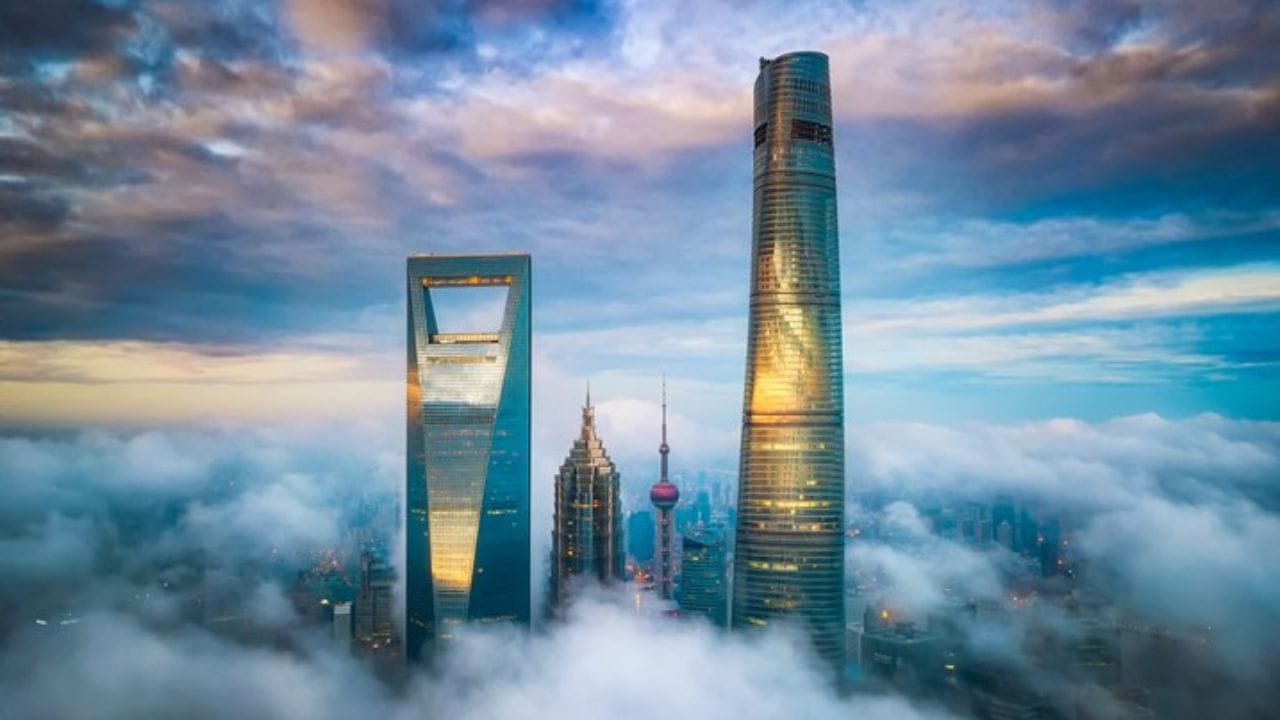
Rising In The Heart Of One Of The Busiest Cities In The World, The Shanghai Tower Symbolizes The Architectural Splendor Of China, Despite The Challenges Faced.
The Shanghai Tower, located in the vibrant Chinese city of the same name, is not just an architectural masterpiece; it also symbolizes the innovative spirit and ambition of modern China. At 632 meters tall, this colossal structure is not only the tallest building in Asia, but also one of the four skyscrapers in the world classified as “mega-tall.”
From the beginning, the Shanghai Tower was conceived to be more than just an architectural landmark; it was designed to incorporate cutting-edge technology and exceptional design. Located in the Lujiazui financial district on the banks of the Huangpu River, the tower is the result of rapid development that began in the 1980s when the Chinese government designated the district as a special investment zone.
Construction Of The Shanghai Tower
The construction of the Shanghai Tower began in 2006 after an intense international bidding process. The project faced several challenges, including overcoming the soft soil beneath Shanghai. To ensure stability, the tower was built on a wide reinforced concrete base, and thousands of concrete piles were driven deep into the ground.
-
Bolivian Female Construction Workers Form Association to Combat Discrimination and 38% Pay Gap in the Industry

-
Near Amsterdam, residents buy land and discover they must also build streets, manage drainage, handle waste, and grow food on half their plot.
-
Brazil’s WEG to Open New Factory in China by 2027, Expanding Production of Large Rotating Electric Machines and Low to Medium Voltage Motors in Rugao

-
Chinese Shipyard Secures $1 Billion in Orders for Low-Carbon Container Ships Amid Global Fleet Renewal Efforts


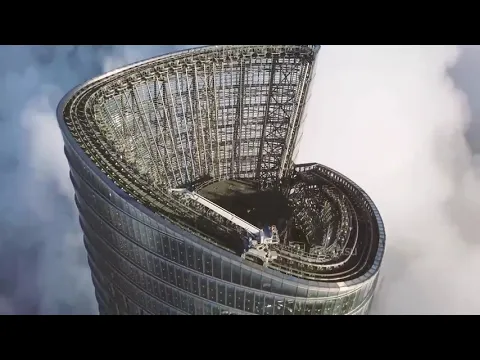

In addition to its impressive height, the Shanghai Tower is known for its elegant spiral design. Its glass facade twists 120° as it rises, creating a stunning visual effect. This feature is not only aesthetic but also functional, reducing wind impact by up to 25%, which saved about $58 million in construction materials.
Criticisms And Challenges In Modern Engineering
However, the ambitious project of the Shanghai Tower has not been without criticism. Despite its final estimated cost of $2.4 billion and the expectation of attracting a large flow of companies to its offices, the tower has faced difficulties in leasing its spaces. In 2019, 55 floors remained vacant, and the global pandemic of 2020 only exacerbated these challenges.
And beyond these challenges, in 2020, the tower faced water leakage issues, causing significant damage and fueling debates over the quality of construction. Despite these setbacks, the Shanghai Tower remains a symbol of economic growth and architectural innovation in China. Its future as a financial hub for China and East Asia remains uncertain, but time will tell if it will become the economic icon it was meant to be.
Towers like the Shanghai Tower or the Jeddah Tower are global icons, constructions that transcend time and leap into the future, showing how engineering, sustainability, and architecture can still surprise with incredible innovations.





Be the first to react!