Portuguese
  Spanish


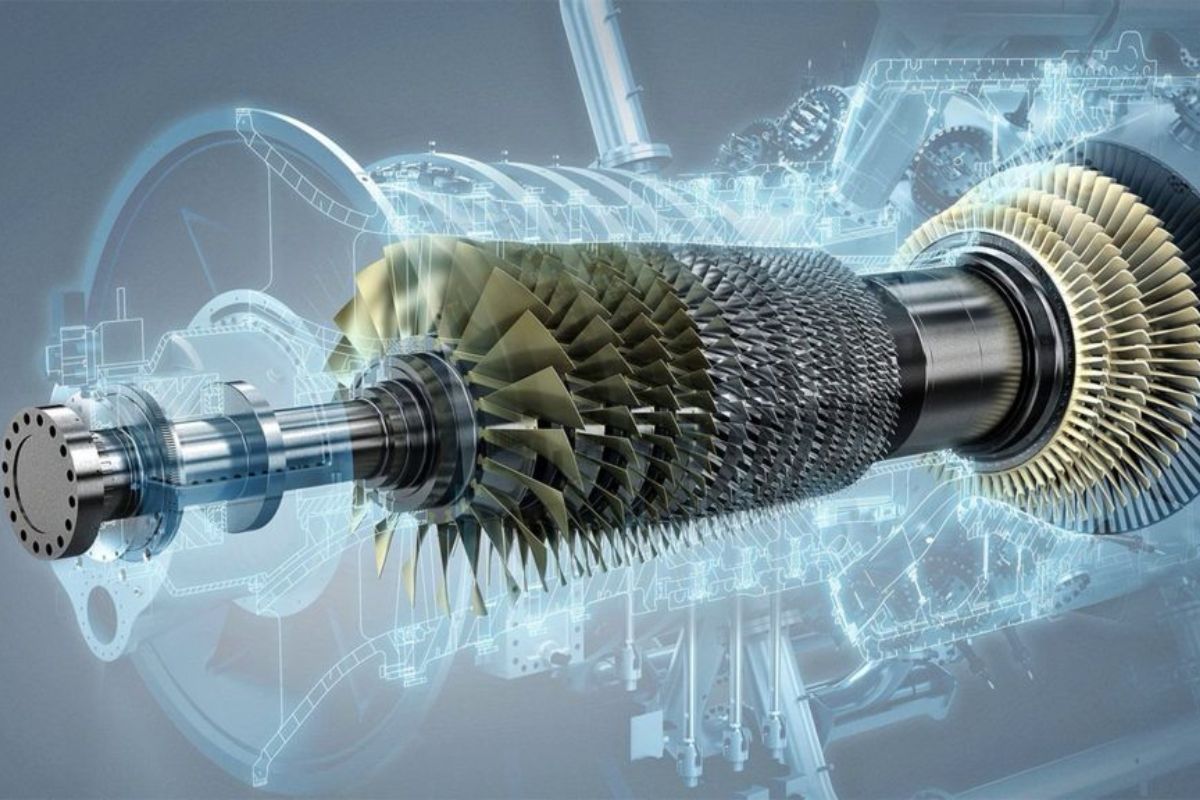


At The Heart of an Offshore Platform, a Powerful Gas Turbine Burns the Well’s Own Gas to Generate Energy for All Operations, from Drilling to Accommodation, with Absolute Reliability.
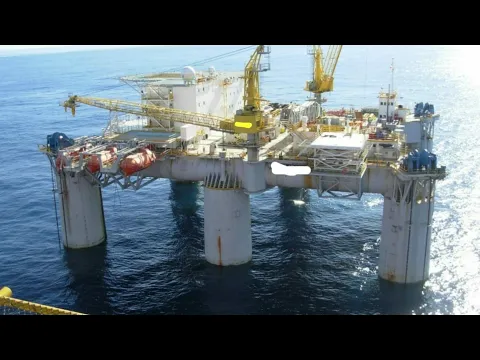
An offshore oil platform operates like an isolated and self-sufficient industrial city. Far from shore, it cannot connect to the terrestrial power grid. Therefore, it needs to generate 100% of its own energy, and failure is not an option. Production downtime can cost millions of dollars per day. The heart of this floating city is a powerful gas turbine.
This machine, manufactured by engineering giants such as General Electric and Siemens, is the lifeblood that sustains all operations, from drilling wells to lighting crew accommodations.
Why Does an Oil Platform Need So Much Energy?
The energy demand of a modern offshore platform is immense, with a generation capacity that can exceed 120 megawatts (MW). This energy is consumed by a variety of critical systems that operate 24 hours a day.
-
Neymar’s 14-year-old son, Davi Lucca, launches 3D dinosaur brand “Amigo Dino,” gaining attention on social media for his entrepreneurial spirit.

-
Improper Outlets Can Cause Fires and Damage Devices: How to Identify the Correct 10A or 20A Model for Each Appliance
-
Entrepreneur Who Started at 13 Delivering Flyers by Bike in São Paulo Now Runs a 4,000 m² Culinary Complex in Brazil

-
Petrobras to Double Natural Gas Supply in Northeastern Brazil with New Investment



The largest consumers are gas compression and water pumping systems, essential for maintaining well production. In addition, there are drilling equipment, such as the main winch and top drive, and all auxiliary loads, which include cranes, air conditioning systems, lighting, and accommodations for a crew that can number nearly 200 people.
How The Offshore Gas Turbine and Its Jet Engine Work
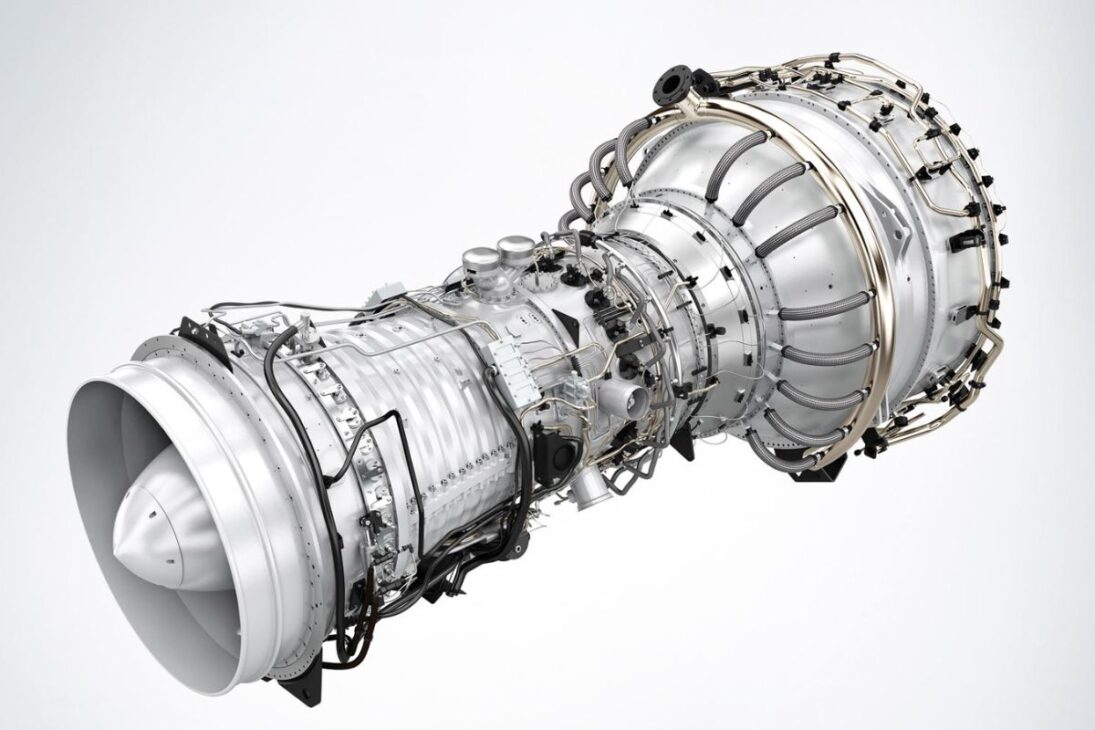
A gas turbine operates based on a principle called the Brayton Cycle. It intakes a large volume of air, compresses it at high pressures, and injects it into a combustion chamber, where it is mixed with fuel and burned. The resulting hot gases expand and spin a series of turbine blades, which in turn drive an electric generator.
Interestingly, the most commonly used turbines on platforms are of the “aeroderivative” type. They are essentially adapted versions of jet engines from airplanes, such as those used in a Boeing 747. This aviation heritage makes them lighter, more compact, and efficient, ideal characteristics for the restricted environment of a platform.
The “Mini-Refinery” That Cleans the Well Gas
The most practical and economical solution to power the gas turbine is to use the natural gas that comes out of the well along with the oil. However, this gas is “dirty” and full of contaminants, such as water, sand, sulfur, and other gases, which can quickly damage a high-tech engine.
To solve this, every platform has a Fuel Gas Conditioning System (FGC). This system acts like a mini-refinery on board, with a series of filters, separators, and heaters that remove contaminants and adjust the gas to meet the turbine manufacturer’s strict specifications, ensuring its safe and continuous operation.
Energy for 150,000 People: The 100 Megawatts of Power from the Platform
The claim that a gas turbine on a platform can generate enough energy for a city of 150,000 inhabitants is an accurate analogy to illustrate the scale of the operation. The installed capacity of a large platform, which can reach 120 MW, is indeed comparable to the peak demand of a medium-sized Brazilian city.
The golden rule of the energy industry estimates that 1 MW is enough to supply about 1,000 homes. A city with 150,000 people (about 50,000 households) would have a residential demand of 50 MW. The remaining power would be used for commerce, industry, and public services. This demonstrates the immense energy need of a single offshore operation.
The Search for Decarbonization and New Technologies

The oil and gas industry faces global pressure to reduce carbon emissions. Therefore, the future of energy generation on platforms points towards new solutions.
One of the main trends is electrification from shore, where energy is generated on land (ideally from renewable sources) and sent to the platform via submarine cables. Another frontier is the development of a gas turbine capable of burning cleaner fuels, such as blends of green hydrogen. Integration with renewable energies, such as offshore wind, is also already a reality in some projects, showing the way towards a more sustainable operation in the future.