






 Portuguese
  Spanish


Choosing the correct outlet helps avoid overloads, shocks, and damage to devices. Understand the differences between the 10A and 20A models.
An apparently simple choice can hide risks inside the home. Using an outlet incompatible with the power of an appliance increases the chances of overheating the electrical installation, equipment failures, and even fires. The warning applies to homes and offices throughout Brazil, especially when high-energy consumption devices are connected to circuits not designed to support them.
The problem usually arises because many people are unaware of the difference between the outlet models available on the market. Although they seem similar at first glance, the 10A and 20A versions have specific characteristics that determine which devices can be safely connected.
Electrical overload is among the main risks
When a device requires more electrical current than the outlet can provide, the installation components start to work above the recommended limit.
-
Entrepreneur Who Started at 13 Delivering Flyers by Bike in São Paulo Now Runs a 4,000 m² Culinary Complex in Brazil

-
In China, Workers Use VR Goggles and Body Sensors to Train Humanoid Robots for Tasks Like Folding Clothes and Stocking Stores
-
12-Year-Old Math Prodigy from Brazil Wins Two Gold Medals and Aims for Elite IMPA Tech
-
Magnet Weighing Over 360 Kilograms, Designed for Cardiac Surgery Machine and Valued at $100,000, Retrieves Sawed-Off Shotgun with Scratched Serial Number from Sea During Magnetic Fishing


In these situations, the wires can overheat excessively, compromising the electrical insulation. In more severe cases, the high temperature can cause short circuits, damage devices, and create fire hazards.
Another common effect is the constant tripping of the circuit breaker, a protection mechanism that interrupts the power supply when it detects a risk condition.
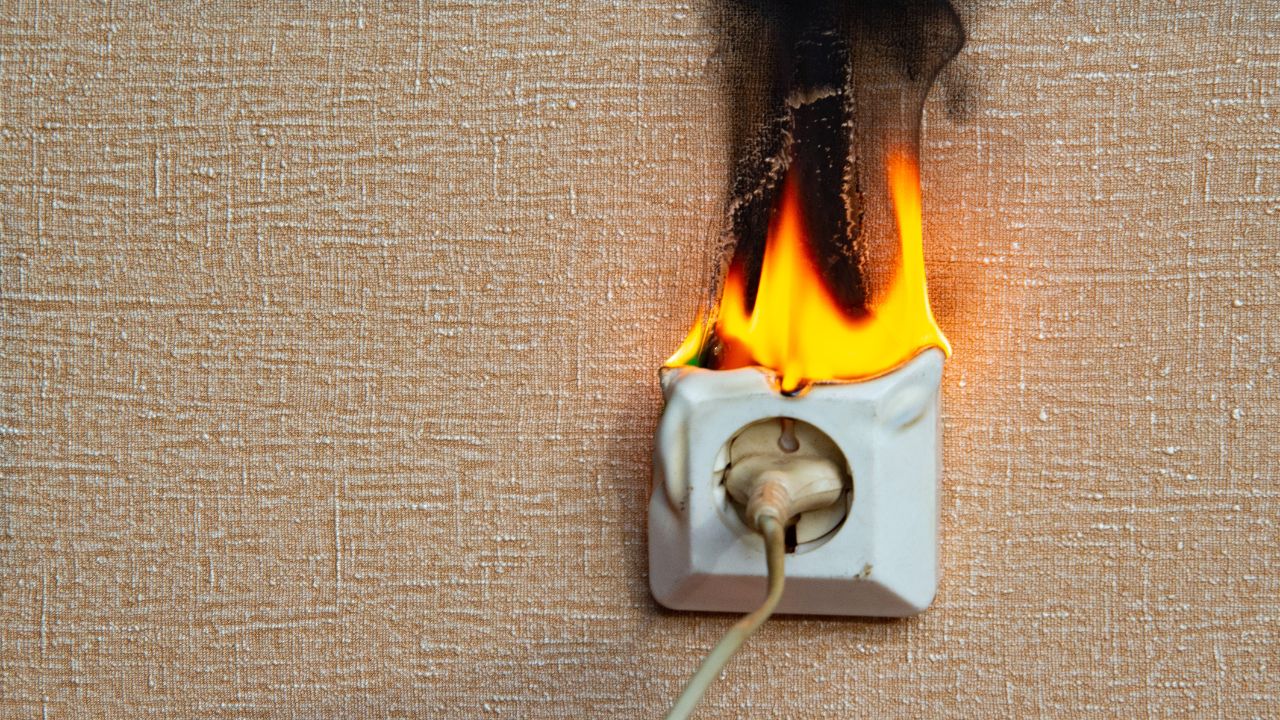
How to identify which outlet each device needs?
The capacity of an outlet is measured in amperes (A), a unit that represents the intensity of the electrical current.
The 10A models are intended for devices that require lower energy consumption on a daily basis. This category includes items such as chargers, computers, televisions, lamps, and other common electronic devices.
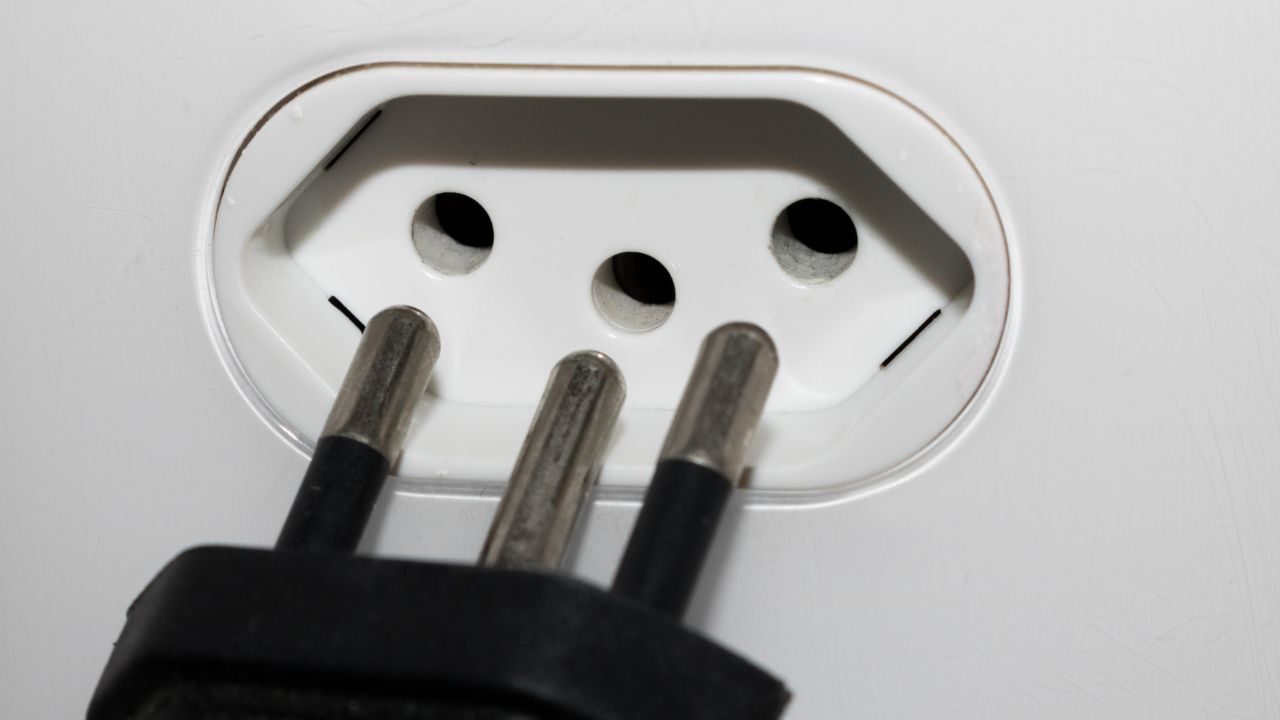
The 20A models are intended for equipment that requires more power to operate. This includes microwaves, electric ovens, heaters, washing machines, and air conditioners.
The shape of the pins didn’t change by chance
One of the main ways to differentiate the two standards is the size of the plug pins. In equipment compatible with a 10A outlet, the pins are about 4 millimeters in diameter.
In devices designed for a 20A outlet, the diameter increases to approximately 4.8 millimeters. This change was created precisely to prevent improper connections and increase the safety of electrical installations.
Electrical capacity also changes significantly
Besides the physical difference, the two models support different loads. A 10A outlet can power equipment up to approximately 1,270 watts in 127-volt networks or up to 2,200 watts in 220-volt installations.
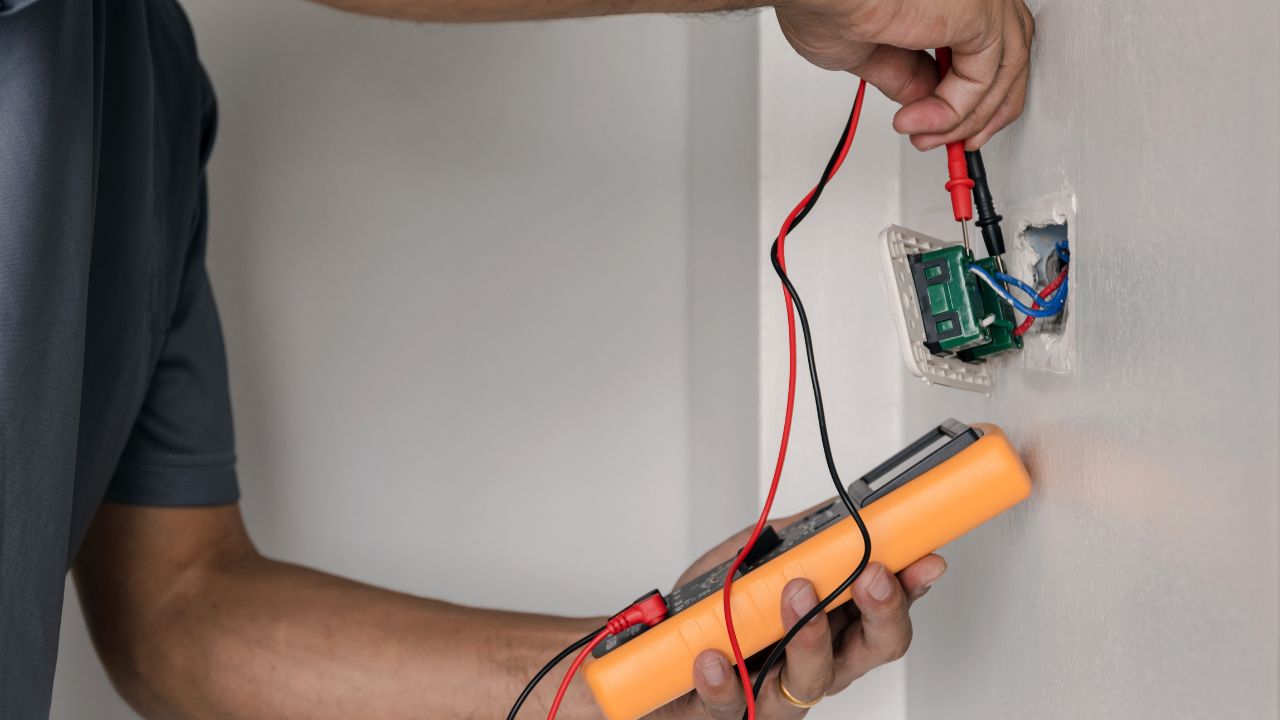
In turn, a 20A outlet supports about 2,540 watts in 127 volts and up to 4,400 watts in 220-volt networks. To meet this higher demand, the installation needs to have wires of adequate thickness and compatible protection through correctly sized circuit breakers.
Common mistakes to avoid
The use of adapters to fit incompatible plugs remains a common practice but poses a significant risk.
It is also not recommended to replace only the outlet with a higher capacity version without checking the condition of the electrical wiring. If the cables and protection devices are not compatible, the problem will persist.
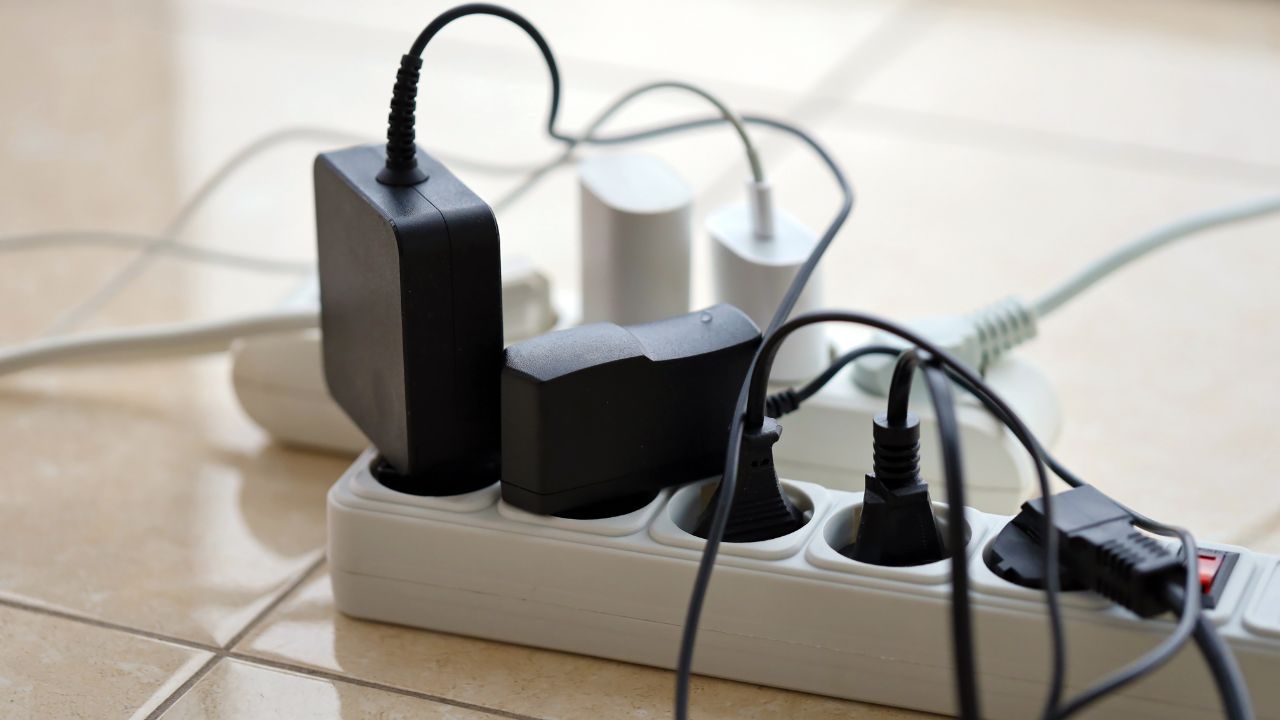
Additionally, connecting multiple devices to a single power point through extensions or power strips can increase the circuit load beyond the safe limit.
Signs that the outlet needs attention
Some indications may reveal problems in the electrical installation. Burning smell, darkening of the outlet, excessive heating, and frequent circuit breaker trips are signs that require immediate investigation.
In light of these signs, the recommendation is to seek a qualified electrician to evaluate the circuit and check if the outlet used is suitable for the connected devices. Understanding the function of each type of outlet is a simple but essential measure to increase the safety of the electrical installation and reduce the risk of accidents at home.


