Portuguese
  Spanish


For decades, Brazil’s soy and corn mostly exited through the ports of the South and Southeast, but the record harvest changed the map: the ports of the so-called Northern Arc, spread from Maranhão to Pará, are taking an increasingly larger share of grain exports and threaten to dethrone Santos as the largest corridor of Brazilian agribusiness.
When it comes to exporting grain through Brazil, the classic image is the Port of Santos in São Paulo, with its endless line of ships and trucks. It makes sense: for a long time, it was through there and through Paranaguá, in Paraná, that most of the national soy and corn were shipped. However, this route has an obvious geographical problem for those planting in the heart of the country: the grain needs to travel thousands of kilometers south to reach the sea.
This is where the Northern Arc comes in, a set of ports and terminals located above the 16th parallel, in the states of Maranhão, Pará, Amazonas, and surroundings. For the rapidly growing production of the Central-North, sending the cargo northward to the Northern ports shortens the journey by hundreds or even thousands of kilometers. And less distance means cheaper freight and more competitive soy abroad.
The geographical shift of soy
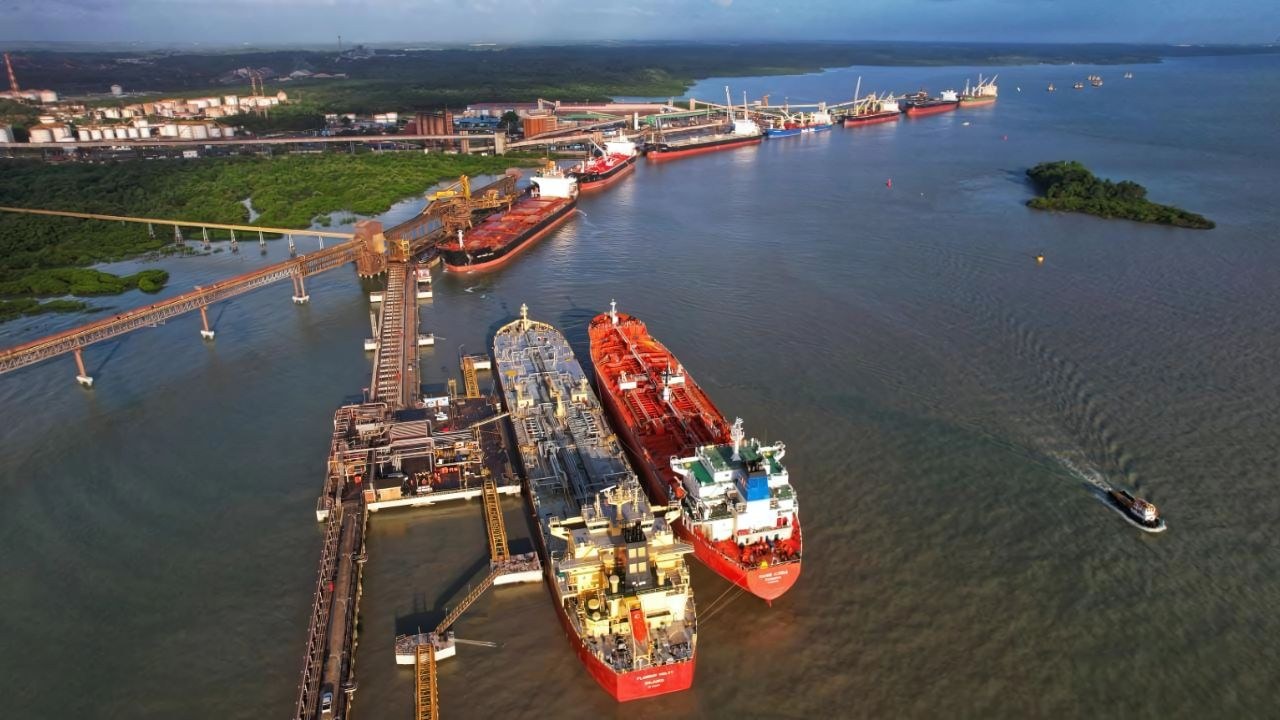
The movement is not a promise; it is a consolidated trend. The participation of the Northern Arc in the country’s grain exports has consistently increased over the past few years, and ports like Itaqui in Maranhão and the terminals in Pará have become central pieces of the flow. Each record harvest reinforces this route, as the pressure of so much grain needing to exit pushes the cargo towards the shortest path to the ocean.
-
Amazon launches its own brand in Brazil a week before Prime Day, following a $3.7 billion investment and the establishment of over 300 distribution centers nationwide by 2025.

-
Trump’s 50% Tariff on Brazilian Goods Cuts U.S. Exports by 30%, Brazil Sets Records in 42 Countries and Germany Becomes Top Coffee Buyer
-
Brazil Harvests Record 358 Million Tons of Grain but Lacks Storage for 134 Million Tons

-
A New Bakery Opens Every Six Minutes in Brazil, Highlighting a Surge of 26,400 Small Businesses in Early 2025


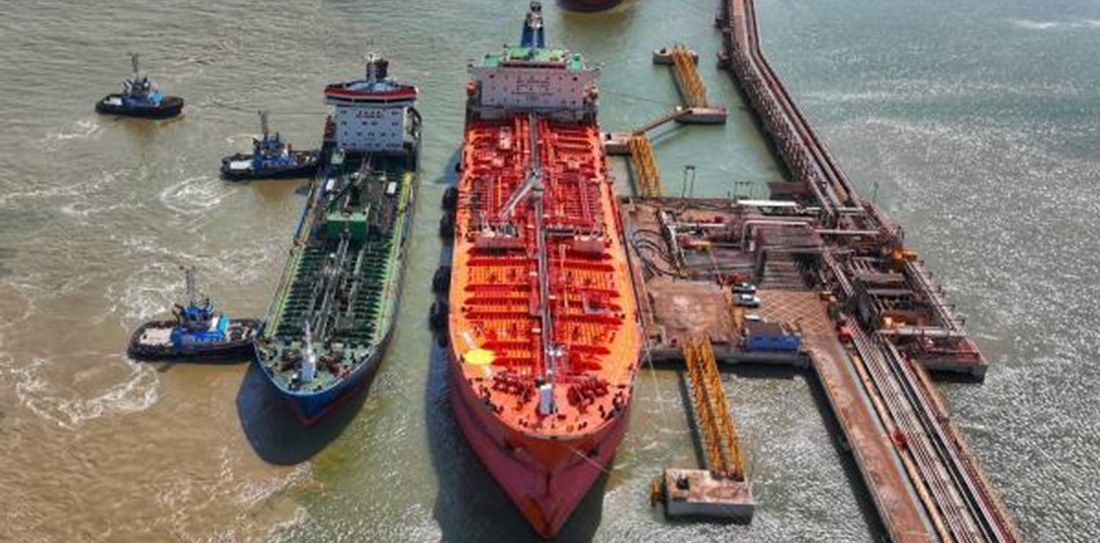
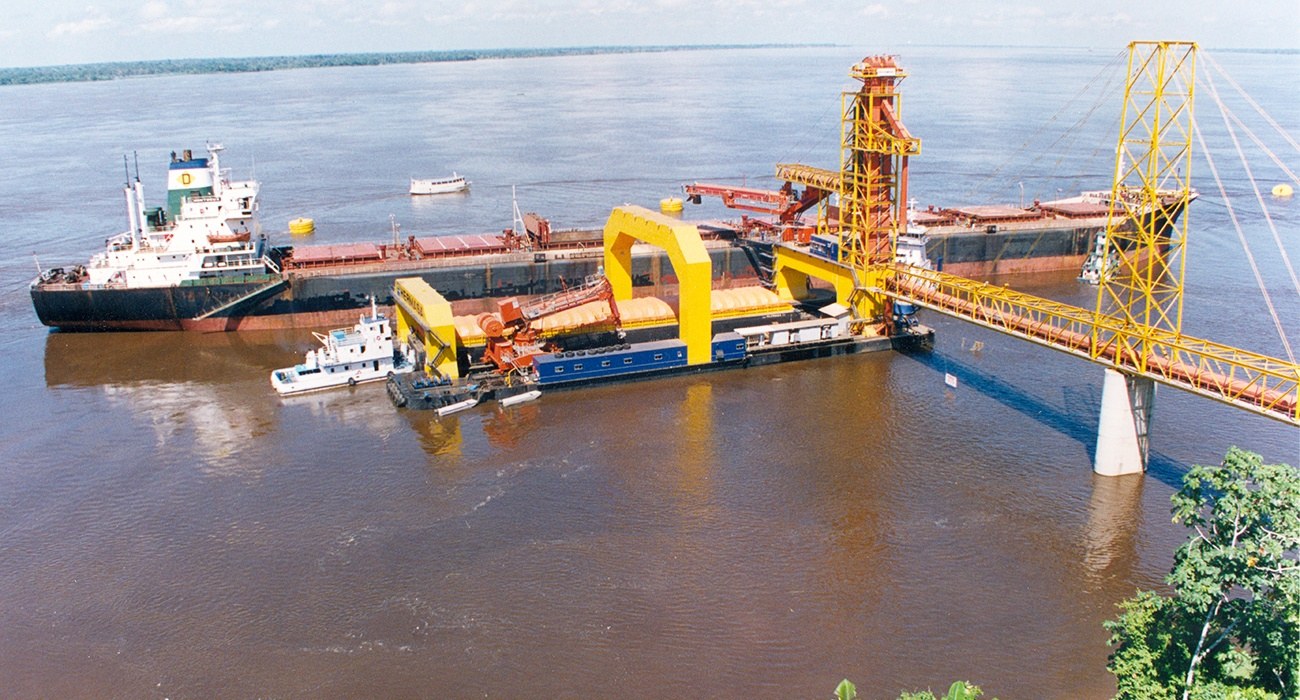
Behind this change is heavy investment in infrastructure: new grain terminals, dock expansions, dredging to accommodate larger ships, and a strong bet on waterways, which transport soy by barge downriver to the port. It is a distributed logistical engineering, spread across various points, forming an alternative corridor capable of rivaling the historical axis of the South.
Why freight rules the game
In the end, it all boils down to transportation cost. Soy is a commodity, sold at the same price abroad regardless of origin, so what separates the profitable producer from the struggling one is how much they spend to get the grain onto the ship. Reducing freight by shortening the distance to the port is direct money into the pocket of those planting in Mato Grosso, which is why the Northern Arc has become so attractive for the country’s central production.
This logic also alleviates the old congestion of the South. When part of the harvest moves north, the ports of Santos and Paranaguá breathe a little, with fewer queues and less bottleneck during peak times. It’s not that the South will lose importance; it remains a giant, but the country gains a second exit door, and having more than one route is always good for those who depend on exporting volume.
It’s worth measuring the leap. Just over a decade ago, the Northern Arc accounted for a modest fraction of grain exports; today, its share already rivals that of the South-Southeast axis, and in some peak months, it surpasses it. This migration didn’t happen by decree; it was driven by the freight cost calculation of the producer, who discovered in practice that sending soy north was cheaper than taking it down to Santos.
The Port of Itaqui in Maranhão has become the symbol of this shift. It combines deep draft, allowing it to receive huge grain ships, with a railway connection to the North-South, the backbone that brings grain from the interior. It’s a rare situation in Brazil where rail, port, and ship truly communicate, and the result is evident in the growing volume that exits there towards Asia and Europe, showing what logistical integration can deliver when it works.
What still hinders the Northern Arc
Not everything is rosy on this route. The waterways still need work to operate safely year-round, some sections face environmental and licensing disputes, and the access infrastructure to the Northern ports is newer and less established than that of the South. Unlocking the full potential of the Northern Arc depends on completing this homework, which involves railways, roads, and terminals working together.
There’s also the issue of who operates and profits from these terminals, a game involving large trading companies, state governments, and private investors. We often focus only on the fields when talking about agriculture, but the truth is that much of the battle for Brazilian competitiveness is won or lost at the port, on the barge, and on the road, far from the plantation.
The message is clear: the axis of Brazilian agribusiness is shifting upwards on the map, and this changes the economy of entire regions in the North and Northeast, which begin to thrive on the grain crossing their ports. It’s a silent transformation, without ribbon-cutting inaugurations, but one that redraws how Brazil feeds the world.
If the pending works are completed, the Northern Arc could stop being an alternative and become the protagonist, consolidating the North as the new major exit for the Brazilian harvest to the ocean.
Will the Northern ports really dethrone Santos as the largest grain corridor in Brazil?