Portuguese
  Spanish


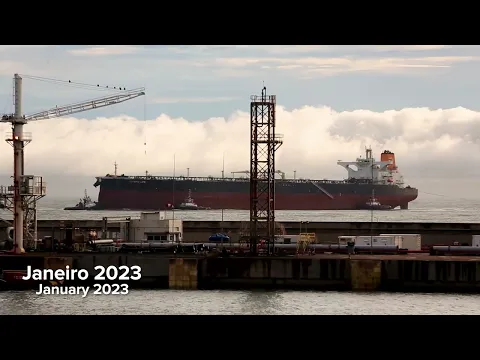
Vast Infrastructure, formerly known as Açu Petróleo, announced a three-year agreement to conduct oil transshipment operations for PRIO at the Port of Açu in São João da Barra (RJ). The agreement will allow PRIO’s production in Albacora Leste, in the Campos Basin, to be exported using Suezmax and VLCC (Very Large Crude Carrier) vessels.
With this agreement, Vast Infrastructure opens new opportunities for the oil and gas sector. The Port of Açu terminal, operated by Vast, is the only private terminal in Brazil that has a license to handle 1.2 million barrels per day.
In addition, it has the capacity to receive VLCC class vessels, with up to 2 million barrels each. This achievement reinforces the company’s commitment to providing safe and environmentally responsible services while demonstrating the growing confidence of the national market in Vast, which plays an important role in Brazilian oil exports.
Vast and CNOOC Extend Partnership
The renewal of the partnership between the Company and Vast for oil transshipment operations was a significant milestone in the companies’ history. Since mid-2022, safety measures and environmental care have been implemented with operational excellence, resulting in a success that culminated in the signing of the contract amendment in January of this year. This renewal reinforces the commitment of both parties to do even more for a better quality of life for all.
-
Petrobras Explores Entry into Corn Ethanol Market, Aiming to Become a Biofuel Giant

-
Brazil’s $8.5 Billion Auction Secures New Power Plants to Prevent Peak Hour Energy Shortages
-
Why Gasoline Prices Remain Stable: How Petrobras’ Subsidies and Pricing Policies Control Fuel Costs in Brazil
-
SpaceX Plans 13 km Pipeline to Reduce Truck Reliance and Speed Up Starship Rocket Launches in the U.S.


The Transfer of Oil Between Vessels, Known as Ship-to-Ship, Is an Operation That Enables Logistical Agility and Cost Reduction. This Operation Allows for the Quick and Efficient Delivery of Fuel, Providing Significant Benefits to Companies That Work With This Type of Cargo.
Maritime operators are investing in ship-to-ship (from ship to ship) to ensure greater efficiency in the transportation of oil extracted offshore. This technique involves the direct transfer of crude oil produced offshore between vessels, reducing costs and displacements.
In Brazil, it is common to see these operations occurring mainly in the North and Southeast regions – being a viable alternative for the outflow of crude oil production. According to ANP (National Agency of Petroleum, Natural Gas and Biofuels), there is no precise data on how many operations are conducted annually.
The implementation of ship-to-ship operations has three different modalities, all subject to Ibama regulations. Operations do not allow transfers in sheltered areas less than 50 km from the coast, near marine conservation units and underwater mountains.
Companies with Brazilian-flagged vessels registered with SNTPP and CTF/APP can authorize themselves to carry out the activity, provided they meet the requirements of the Brazilian Navy, such as the presence of a dedicated vessel, qualified personnel for emergencies, and a kit to prevent water pollution.
Cabotage and Long-Distance Shipping
Ship-to-ship operations are attracting the interest of cabotage and long-distance shipping companies, such as Posidonia Shipping & Trading. Starting in 2019, the company will begin operating in the oil transfer market. Despite the gains that this brings to the sector, operations still face challenges in the availability of specialized vessels.
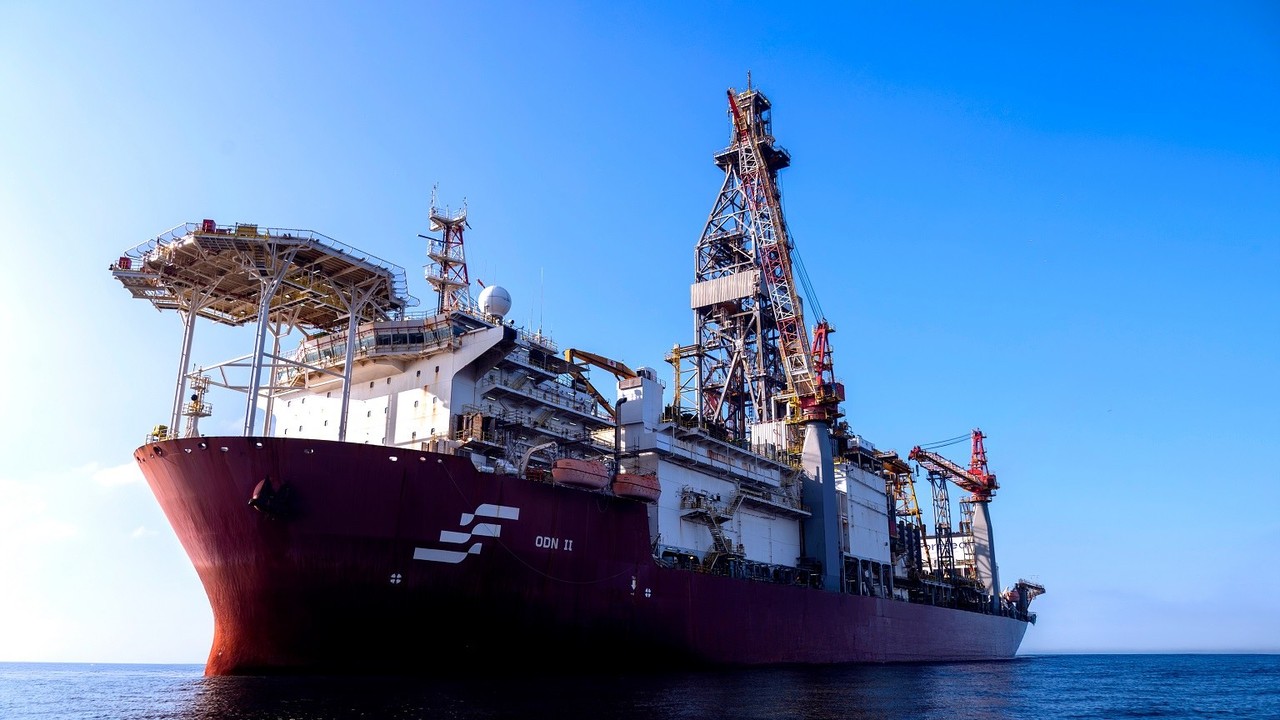
For these tasks, it is necessary to have Suezmax tankers, capable of carrying between 140,000 and 175,000 tons. The vice-president of Syndarma, Luis Fernando Resano, explains that there are currently no vessels of this type manufactured in Brazil, but there is a project to build five units.
First Operation of Petronas at Vast Terminal – February 2023