Portuguese
  Spanish


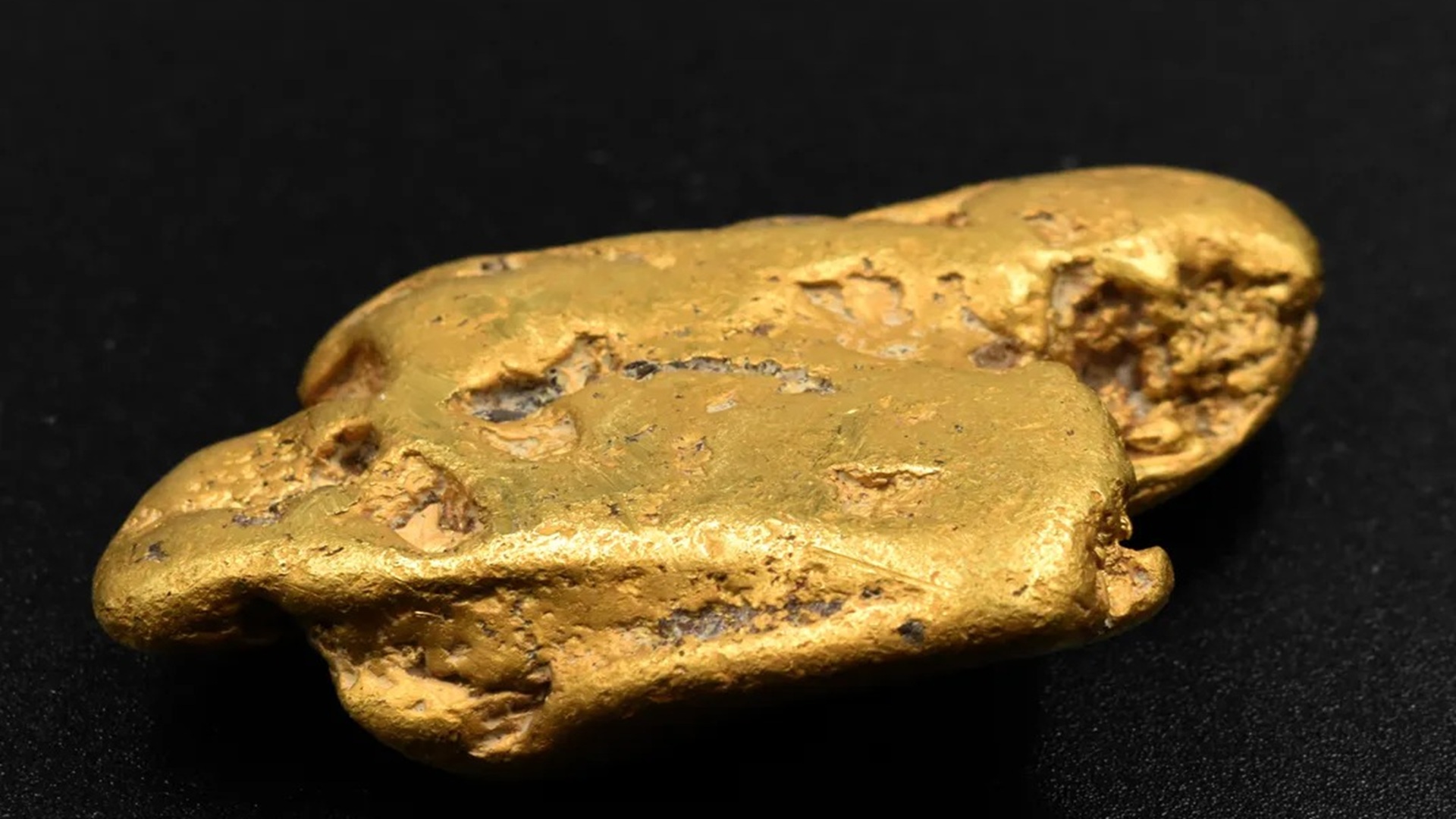


The Discovery Occurred After A Treasure Hunter Arrived Late To A Rally, Swapped A Broken Modern Detector For An Old Device And Located A 64.8-Gram Gold Nugget 15 Centimeters Below The Surface
An amateur treasure hunter found a 64.8-gram gold nugget in Shropshire Hills, England, after arriving late to a detector rally. The find, which happened last May, could be worth between thirty and forty thousand pounds and is considered the largest ever recorded in English soil.
Richard Brock drove more than three hours from his home in Somerset to attend a rally organized on farmland near the village of Much Wenlock. Upon arrival, about fifty detectors had already started scanning the available fields.
The delay made Brock believe he had lost any significant chance. Nevertheless, he decided to participate, despite facing technical problems with his more modern metal detector, which refused to work correctly at that moment.
-
Study Reveals 97% of Pregnant Munduruku Women in the Brazilian Amazon Have Mercury Levels Above Safe Limits, 90% of Newborns Contaminated by Gold Mining

-
China could reduce iron ore imports from 80% to 50% of consumption by 2030, while its share in global steel production falls from 52% to 46%, in a shift that could reshape the global market, says CMRG.
-
Brazil is sitting on one of the largest lithium reserves in the world, in the Jequitinhonha Valley, but national mining has almost become an appendage of China: 97% of the metal’s export goes to a single country, which also dominates refining.
-
Iron ore falls to 762 yuan in China as real estate sales decline and steel production hits lowest level since 2018


With no immediate alternative, Brock retrieved an older backup unit from his vehicle, which had a faded screen, and described as being practically at the end of its operational lifespan but still functioning enough to give it a try.

Mullock Jones
Discovery Occurred In Less Than Twenty Minutes With Old Equipment
About twenty minutes after turning on the backup detector, the device emitted a signal at approximately fifteen centimeters deep. The identified object turned out to be a gold nugget roughly the size of a fifty-pence coin.
The metallic fragment immediately attracted the attention of other participants at the rally, who began referring to the piece as “Hiro’s Nugget,” a name that quickly solidified among the group present on site.
Brock reported that he initially thought it was a common signal, but the intensity and clarity of the detector’s return indicated that there was something unusual beneath the soil of that particular field.
“In fact, I arrived about an hour late, thinking I had missed the action,” Brock said in a statement released by the auction house Mullock Jones, which later handled the sale of the nugget.
According to him, the find demonstrated that the type of equipment used may be less decisive than attention to the terrain and persistence in continuing to search, even under seemingly unfavorable conditions.
Online Sale And Comparison With Previous Records
The auction house Mullock Jones put Hiro’s Nugget up for an online sale that extended until early April. The suggested price ranged between thirty thousand and forty thousand pounds, reflecting the rarity of the find.
At just under seventy grams, the nugget surpasses the previous record for gold found in England, which was fifty-four grams, establishing itself as the largest specimen ever recorded in the country.
While the United Kingdom has records of larger pieces of native gold, these occurrences mainly focus on Wales and Scotland, such as the Reunion Nugget documented in 2019.
In absolute terms, the English prize is small compared to historical international finds, such as the Boot of Cortez, discovered in the Sonoran Desert, which weighed over twenty-six pounds.
Still, experts point out that the historical and symbolic value of Hiro’s Nugget lies less in its absolute weight and more in the context of its casual discovery in a protected agricultural environment.
Shropshire Hills And The Context Of The Protected Landscape
The discovery site is part of Shropshire Hills, a National Landscape designated in 1958 with the aim of conserving the natural beauty of over eight hundred square kilometers of highlands, woodlands, and river valleys.
The area covers nearly a quarter of the county and is promoted as a territory where the coexistence of human activities and environmental preservation occurs continuously and regulated.
Walking trails, rich wildlife habitats, and productive agricultural areas coexist in the same space, forming a landscape that is not isolated from economic activity or human presence.
The discovery of the nugget reinforces that protected landscapes are not untouched environments. Farmers continue to use the land, communities rely on tourism, and detectorists, with permission, conduct targeted searches.
This balance allows lost objects or historical remnants to come to light without compromising the overall integrity of the area, as long as the established land use regulations are respected.
Responsible Detection And Comparative Environmental Impacts
The gold used in jewelry and financial reserves typically comes from large-scale industrial operations, which involve moving millions of tons of rock and using aggressive chemicals.
Environmental groups classify gold mining as one of the most destructive extraction activities due to the frequent reliance on mercury and cyanide, which can contaminate soils and watercourses.
Even in low concentrations, these compounds pose significant risks to people, fauna, and flora, in addition to generating persistent waste that affects ecosystems for long periods.
Estimates cited in the material indicate that producing enough gold for a single wedding ring can generate around twenty tons of mining waste, a statistic often used to illustrate the impact.
In tropical forest regions, studies link gold extraction to deforestation, soil degradation, and ongoing water pollution, affecting local biodiversity and livelihoods.
Code Of Practices And Public Records
In contrast to industrial mining, amateur metal detection, when conducted according to the Code of Practice for Responsible Detection, tends to leave a much smaller mark on the landscape.
The current guidelines in England and Wales include obtaining permission from landowners, avoiding sensitive protected areas, filling in any holes dug, and not damaging crops or habitats.
Detectors are also instructed not to disturb wildlife, especially ground-nesting birds, and to respect periods and locations of heightened environmental fragility.
When rallies are organized in partnership with landowners and heritage services, many finds are officially recorded, enhancing archaeological knowledge rather than removing it from context.
This model contributes to individual discoveries, like Brock’s, becoming relevant public data, benefiting both research and cultural heritage management.
Profit Sharing And Meaning Of The Find
Richard Brock stated that he intends to share all profits from the sale of Hiro’s Nugget with the landowner where the nugget was found, reinforcing the logic of cooperation.
The gesture highlights that this type of discovery directly depends on the trust relationship with those who tend to the fields and hedges throughout the year, keeping the area productive and accessible.
For readers, the story of the golden nugget found in a peaceful English field serves as a concrete example of how luck and persistence can converge in unexpected circumstances.
At the same time, the case exposes two distinct ways of relating to precious metals: one based on intensive extraction and another on rare, targeted, and regulated finds.
In this contrast, Hiro’s Nugget becomes a symbol of a discreet gold rush, occurring on damp weekends, with old detectors, brief auditory signals, and a bit of attention to the ground.