Portuguese
  Spanish


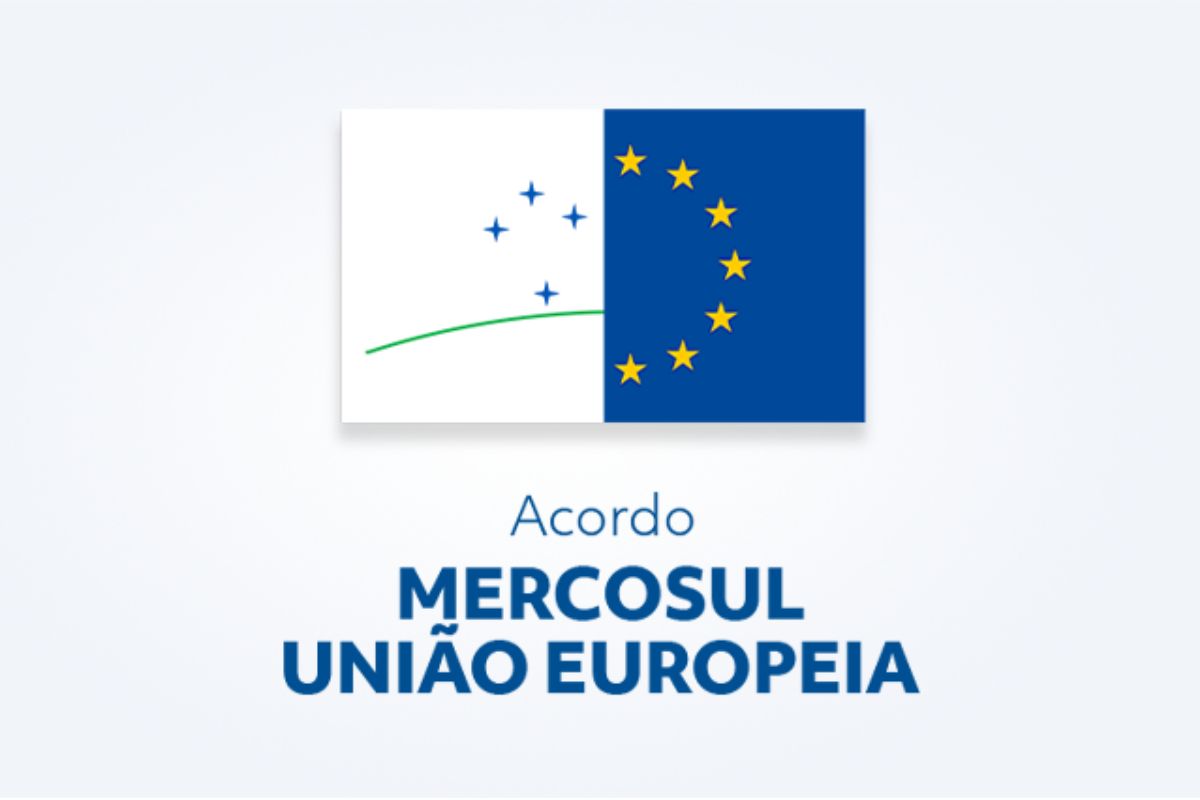


The EU–Mercosur Agreement Provides Billion-Dollar Tariff Cuts and Agricultural Market Openings, but Faces Strong Opposition Due to Deforestation Risks, Environmental Impact, and Threats to European Agriculture
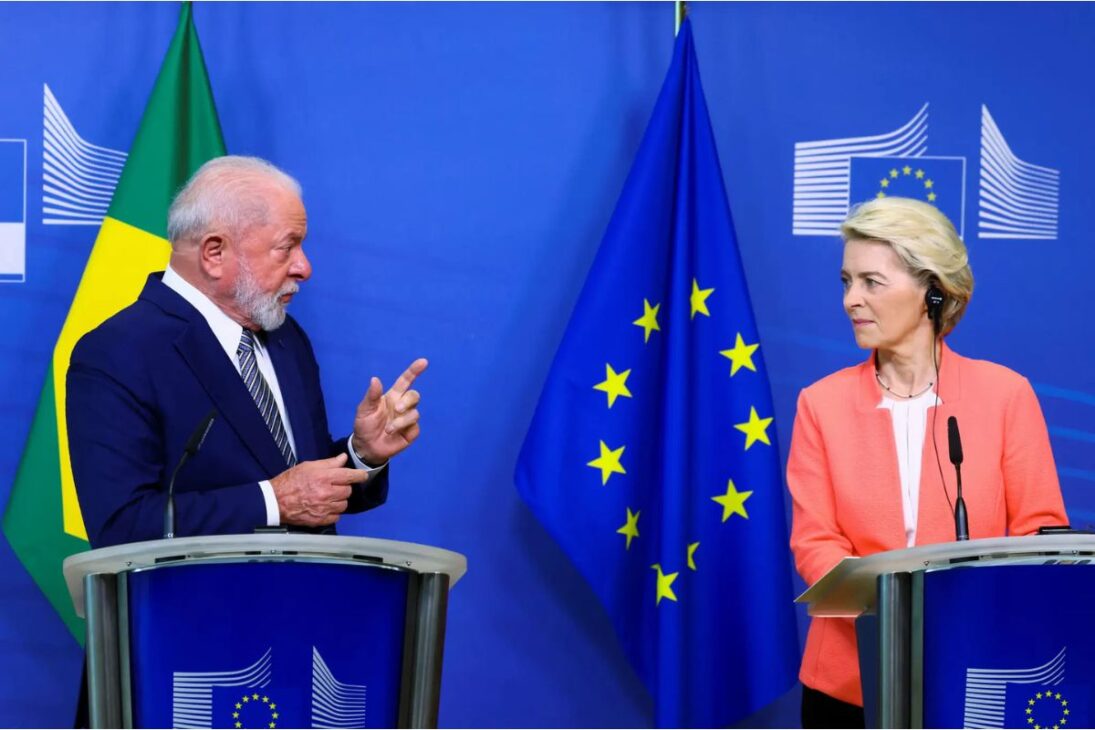
The European Commission is expected to present the formal proposal for the agreement between the European Union (EU) and Mercosur to the European Parliament for review and approval by member states this Wednesday.
The treaty, which has been negotiated for over two decades, could become one of the largest trade deals on the planet, but it also faces severe criticism from agricultural sectors, environmentalists, and national governments.
Tariff Reductions and New Agricultural Quotas
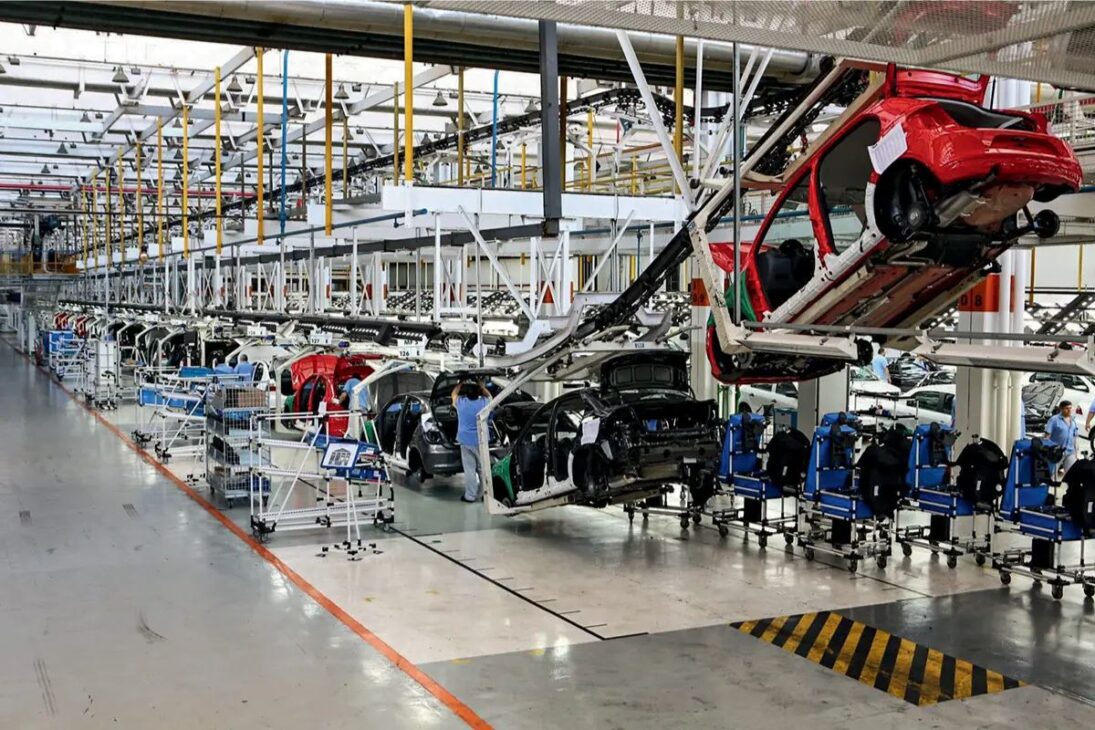
Among the central points of the agreement is the gradual elimination of import tariffs. Mercosur is expected to eliminate tariffs on 91% of European exports, including cars—which currently face a 35% tariff—within a period of up to 15 years.
-
Brazil’s BNDES Funded Metro and Steel Plant Projects in Venezuela with Brazilian Support

-
Abandoned Building in Brazil to Become Biotechnology Unit with $10 Million Investment, Bridging Science, Industry, and Public Health
-
Company Offering “Stones to Diamonds” Scheme Sells Ruined Italian Homes to Brazilians for 1 Euro, Disappears with Promised Renovations, Leaving Buyers in Debt to Italian Tax Authorities Until 2028 Without Property

-
Plastic Packaging Drives Santa Catarina Industry to 230% Growth, Aiming for R$ 500 Million by 2030 Amid Sector Crisis, with New Gearless Line Expanding in Southern Brazil to Compete in South America



In return, the European Union commits to eliminating tariffs on 92% of Mercosur exports within a period of up to 10 years.
In the agricultural sector, the opening will also be significant. European products like wines, which currently face a 17% tax, and alcoholic beverages, with rates between 20% and 35%, will have their tariffs eliminated gradually.
Mercosur has secured additional quotas for exporting beef—about 99 thousand metric tons more—along with access to the European market for poultry, pork, sugar, ethanol, rice, honey, and corn.
In return, the EU could sell up to 30 thousand tons of cheese to Mercosur without tariffs, as well as powdered milk and infant formulas.
Another important element is the recognition of 350 European Geographical Indications, protecting traditional products like Parmigiano Reggiano cheese against counterfeits.
Arguments from Supporters
Supporters of the treaty highlight that it could reposition the European bloc in the face of growing dependence on China.
Countries like Germany and Spain see the partnership as strategic for ensuring access to essential minerals, such as lithium, used in batteries.
Additionally, the pact would open doors for European companies to participate in public tenders in Mercosur on equal terms with local suppliers—something unprecedented in agreements signed by the South American bloc.
According to the European Commission, the agreement would represent the largest tariff reduction ever negotiated by the EU, eliminating more than 4 billion euros annually in tariffs for European exporters.
Brussels argues that the additional quantity of beef and poultry from Mercosur would account for less than 2% of European consumption, thereby reducing the risks of imbalance in the domestic market. The document also outlines safeguards to respond to potential supply disturbances.
Another point emphasized is the strengthening of Mercosur’s position as a reliable partner. The European Union claims that by expanding trade ties, it will be able to diversify its production chains and reduce vulnerabilities regarding the United States and Asia.
The Strongest Criticisms
Despite the alleged benefits, the proposal is met with strong opposition. The environmental organization Friends of the Earth labeled the agreement a “climate destroyer,” claiming it would encourage deforestation in the Amazon and other forested areas to expand agricultural and mineral production for export.
European governments are also divided. France, with a strong lobby from ranchers, has conditioned its signature on safeguards to protect the local agricultural sector.
Italy and Poland have joined the criticisms, which jeopardizes the approval, as the three countries together have the power to block the measure.
European farmers have been protesting against the risk of cheaper commodities entering the market, particularly beef, which they claim would not meet the EU’s strict environmental and sanitary standards.
The European Commission insists that the standards will not be relaxed, but rural unions argue that enforcement will be insufficient.
Finally, environmental groups warn that, although the agreement includes commitments to curb deforestation by 2030, it lacks effective enforcement mechanisms.
This fuels fears that commercial expansion will come at the expense of sustainability and human rights.
A Political and Economic Stalemate
The EU–Mercosur agreement symbolizes the tension between global trade interests and environmental and social concerns. On one side, it represents the chance to create one of the largest free trade zones in the world, covering 800 million people and about a quarter of the world’s GDP.
On the other hand, it faces growing resistance from European public opinion and economic sectors worried about environmental impacts and unfair competition.
If approved, the treaty could redefine economic integration between South America and Europe.
If blocked, it will reinforce the perception that European climate and agricultural policy takes precedence over trade interests, further delaying Mercosur’s entry into major global value chains.