






 Portuguese
  Spanish


Goodbye To Traditional Logic: New Technology Places Engines Directly In The Wheels, Eliminating Hood And Trunk. More Power, Space And Efficiency
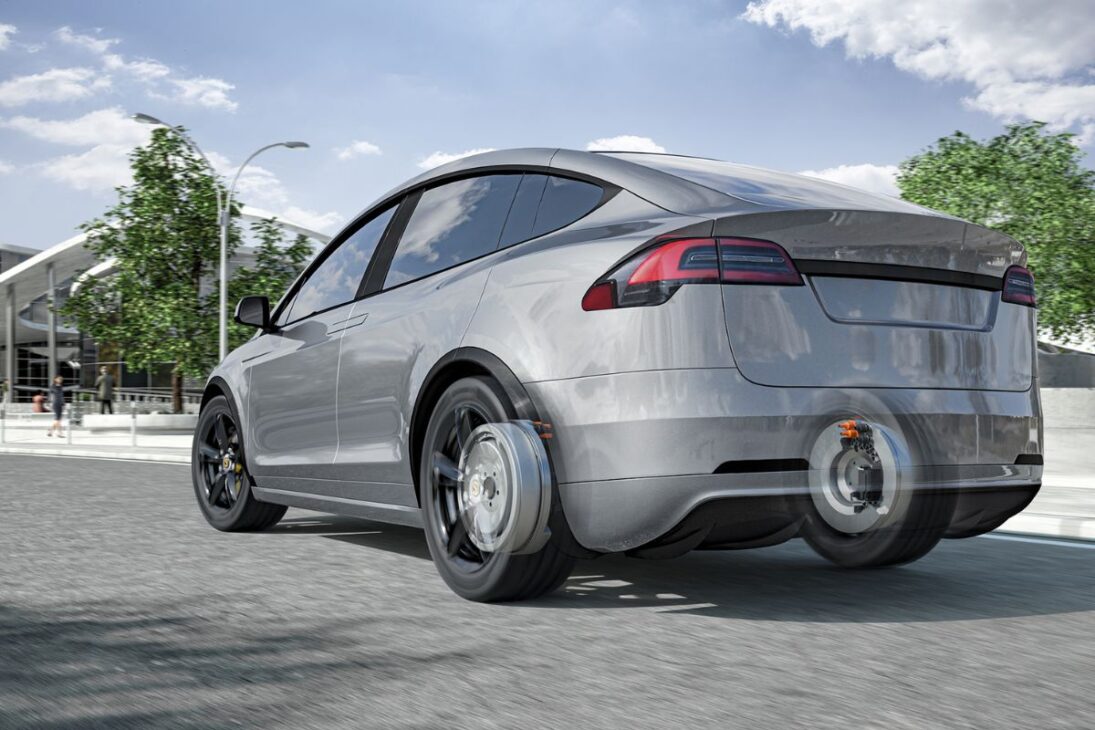
Have you ever imagined a car without an engine in the front or back? Well, this is the proposal that is about to become a reality thanks to a technology forgotten for over a century. The concept that seemed illogical in the early 20th century is now returning as a promising bet for electric mobility: engines installed directly in the wheels. And the most surprising thing is that this idea was born over 120 years ago, at the hands of Ferdinand Porsche himself.
Technology Is Reborn Where Least Expected: Inside The Wheels
For decades, the position of the engine has been one of the most strategic points in the design of a vehicle, determining aspects such as performance, balance, and interior space. But this logic is being called into question with the resurgence of wheel motors, also known as Wheel Motors (WMs).
The proposal is simple in theory, but revolutionary in practice: install the engine directly in the car’s wheel, eliminating the need for axles, differentials, and transmission systems. The idea emerged in 1900, when Ferdinand Porsche showcased the first model with motors in the wheels at the World Exhibition in Paris. However, at that time, technological limitations — especially regarding electrical systems and infrastructure — prevented its adoption.
-
1983 Chevrolet Runs Over 100,000 km Without Gasoline, Powered by Wood Chips, Reaches 125 km/h in Airport Test

-
Workshop Converts Giant Tractor Tire Tricycle into a Three-Wheel Drive Hybrid with 36,000-Watt Electric Motor Capable of Climbing Hills

-
Sales of Brazil’s Cheapest Electric Car Halted Before First Deliveries: E-Motors Suspends Emova Easy Due to Import Tax Increase and Rising Freight Costs

-
Nissan Discontinues Qashqai SUV Amid Cost-Cutting, Chinese Competition, and Product Line Review


More than a century later, the landscape has completely changed. With the rise of electric cars, the search for greater energy efficiency and sustainability has rekindled interest in innovative solutions. It is in this context that WM technology gains strength again, this time led by companies like Elaphe Propulsion Technologies from Slovakia, specializing in electric motors that integrate directly into the wheels.
More Internal Space, Optimized Torque, And Better Handling
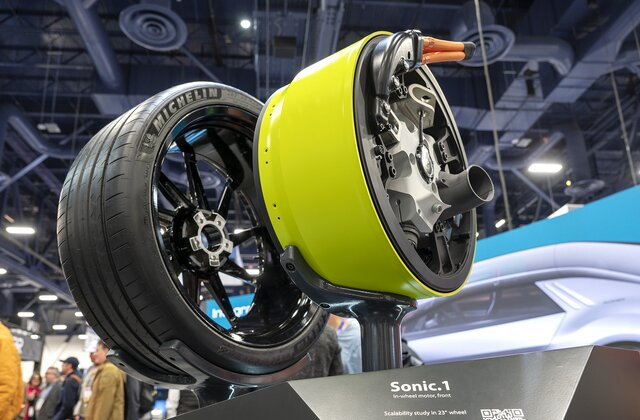
The benefits of the technology are considerable. By removing the engine from the front or rear compartment and integrating it into the wheel, engineers gain the freedom to redesign the vehicle’s interior, install larger batteries, or even increase passenger space. Additionally, with each wheel functioning independently, stability and handling of the car are enhanced, especially in curves and uneven terrains.
A practical example of this innovation is the Sonic 1 motor, developed by Elaphe. Compact and lightweight, it can be installed inside wheels up to 21 inches, allowing for integration with high-performance brake systems. By eliminating the transmission axles, the system reduces energy losses, delivers immediate torque, and improves the overall efficiency of the vehicle.
This new paradigm of motorization also paves the way for more flexible engineering. Vehicles can be designed with simpler modular platforms, reducing production costs and facilitating maintenance.






Pessoal porque nao fornecer energia apartir que a roda gira, como as bicicletas que dinha dinamo para ter energia no farou
Os motores elétricos radiais para automóveis estão permitindo a instalação nas rodas, coisa que veículos fora de estrada já fazem com motor elétrico de tração em cada roda. Para automóveis é realmente um grande avanço, pois diminui o peso do veículo e os motores radiais trabalham com maior torque, potência e velocidade proporcionando maior dirigibilidade e economia das baterias. Além disso, aumenta o espaço interno do veículo. Só vantagens!!
Motor instalado nas rodas, aqui no Brasil onde as pistas são perfeitas? Kkkkkkk… Cada saída, uma passagem na oficina!