Portuguese
  Spanish


Hyundai Bets On New Route For The Transport Of The Future And Invests In A Hydrogen Plant In South Korea, Moving The Global Automotive Sector And Reigniting The Technology Dispute Between Traditional Automakers.
Hyundai announced a new step in its energy transition strategy: the automaker has begun construction of a hydrogen fuel cell plant in Ulsan, South Korea.
The investment amounts to 930 billion won (approximately 500 million euros), and operations are expected to start by 2027, according to an official company statement.
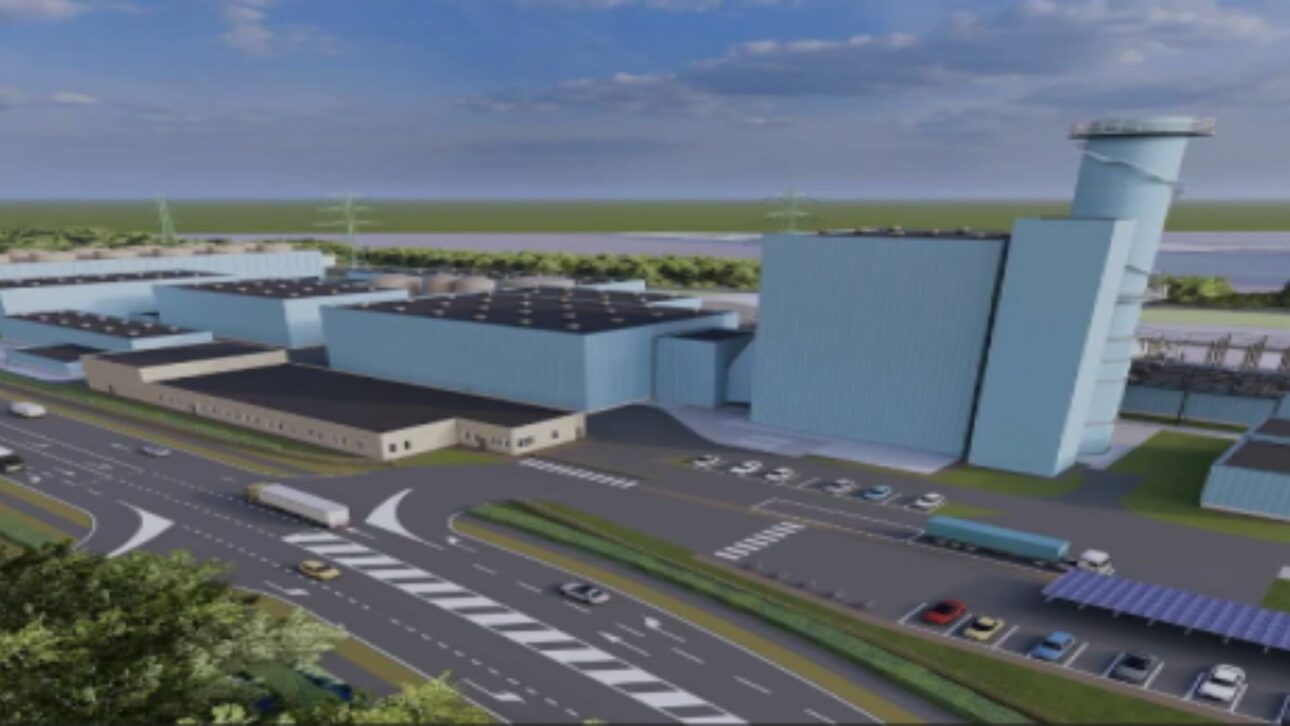
The complex will have an annual capacity of 30 thousand units and will also produce PEM electrolyzers, used to generate low-emission hydrogen.
-
Antarctic Sea Creature Yields Promising Compound Against Melanoma, Captivating U.S. Researchers

-
Underwater Guardian: The Autonomous Robot Monitoring Submarine Cables, Self-Returning, Wirelessly Charging, and Transmitting Data Without Onboard Crew

-
Robots Clean Solar Panels in Desert Power Plants Without Water, Preventing Energy Losses
-
AI Radar Built with Old Camera and $20 Gains Attention After Alleged $317,000 Sale to Chinese Government, But Lack of Documentation and Official Confirmation Raises Questions




The unit will be installed in an area previously dedicated to manufacturing combustion engine transmissions.
The initiative represents yet another move in the global decarbonization of transport, which remains divided among different technologies.
While automakers are increasing investments in battery electric vehicles and others maintain combustion lines, Hyundai is betting on hydrogen as a complementary alternative.
According to the company, the technology can gain traction in sectors that are difficult to electrify, such as heavy transport and industrial operations.
Structure Of The New Plant And Production Goals
The industrial park in Ulsan will cover 43 thousand square meters and will integrate assembly and manufacturing processes for complete fuel cell systems.
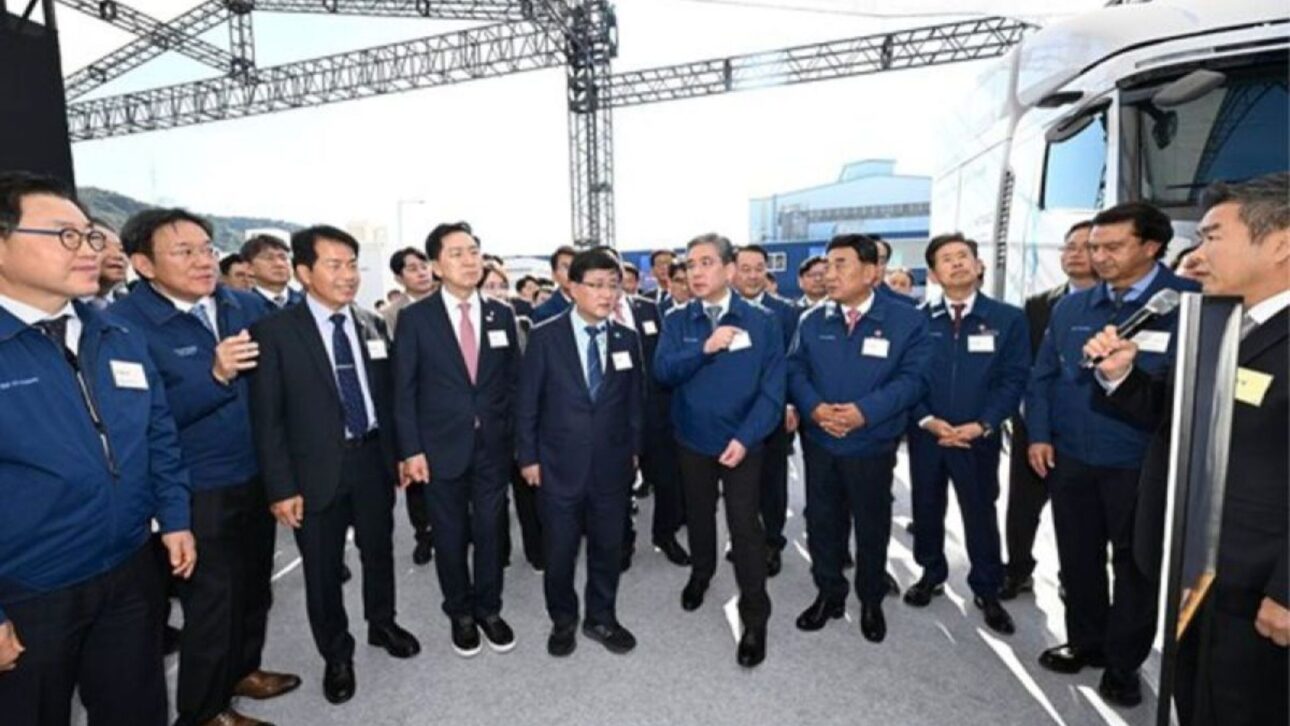
Hyundai stated that the site will support not only the production of automobiles but also commercial vehicles, construction machinery, and maritime applications.
The PEM electrolyzers manufactured at the plant could be supplied to partners in the energy industry.
According to the company, the in-house production of cells aims to reduce dependence on external suppliers and allow for standardization of components.
Industry experts believe that this type of vertical integration could help lower costs in the medium term and facilitate the expansion of the technology on a commercial scale.
The initial goal is to produce 30 thousand systems per year, a number that could increase as hydrogen adoption grows in commercial fleets.
The location of Ulsan was chosen because it concentrates other Hyundai group facilities, which facilitates logistics and process integration.
Global Context And Adjustment In The Electric Vehicle Market
The battery electric vehicle segment continues to grow, but has faced a slowdown in sales in various countries, according to industry associations’ data.
Analysts indicate that rising production costs and limited charging infrastructure have led manufacturers to seek alternatives.
In this context, hydrogen has been reconsidered as a promising route by Asian and European companies.
Some automakers, such as Stellantis, have reduced projects in this area citing economic and logistical challenges.
Others, like Hyundai and Toyota, maintain long-term plans.
Toyota was one of the pioneers in using fuel cells and continues to produce the Mirai sedan, in addition to projects for commercial vehicles and buses.
Brand executives stated in interviews that hydrogen could replace part of diesel engines between 2030 and 2035 in specific applications, such as cargo transport — an estimate based on the company’s internal projections.
Technology Rivalry And Outlook
With the new plant, Hyundai aims to expand its share in this niche and directly compete with Toyota.
Industry sources indicate that the main challenge is reducing the cost per system and ensuring sufficient scale supply for commercial fleets.
The technology still faces barriers, including the availability of refueling stations and the competitiveness of hydrogen prices compared to conventional electric energy.
According to energy and mobility experts, broader adoption depends on public policies that promote both green hydrogen production and refueling infrastructure.
Asian and European countries have invested in incentive programs and carbon neutrality goals, which tend to favor the advancement of the technology in the coming decades.
Public Policies And The Brazilian Scenario
In Brazil, the subject is also beginning to gain traction.
The Government of São Paulo approved the exemption from IPVA for less polluting vehicles starting January 1, 2025, with reduced rates until 2029.
The measure includes hybrid and hydrogen-powered models, in addition to specific rules for buses and trucks that use these technologies.
The goal is to encourage fleet renewal and reduce emissions from road transport.
In parallel, studies conducted by the São Paulo City Hall are analyzing the possibility of implementing a Light Rail Vehicle (LRV) powered by hydrogen in the central region.
Technicians involved in the project state that the system could contribute to urban requalification and pollution reduction, although the final decision about the energy matrix still depends on economic and technical feasibility analyses.
Why Hydrogen Is Getting Attention
According to experts in energy transition, three factors explain the growing interest in hydrogen.
The first is the search for technological diversification, reducing the exclusive dependence on lithium-ion batteries.
The second is operational flexibility, as hydrogen vehicles offer greater range and shorter refueling times.
The third factor is related to the decarbonization goals of governments and companies, which require viable solutions for heavy transport, aviation, and logistics.
Still, the advancement of this energy matrix depends on robust investments in infrastructure, in addition to reducing the cost of hydrogen produced from renewable sources.
Hyundai acknowledges that the diffusion of this technology requires collaboration among automakers, governments, and the energy sector to make the fuel competitive.
With construction underway and defined goals, the Korean automaker reinforces its position in a field that promises to redefine the future of mobility.
The question now is: at what pace will hydrogen manage to move from paper to real-world presence on the roads of the world?