Portuguese
  Spanish


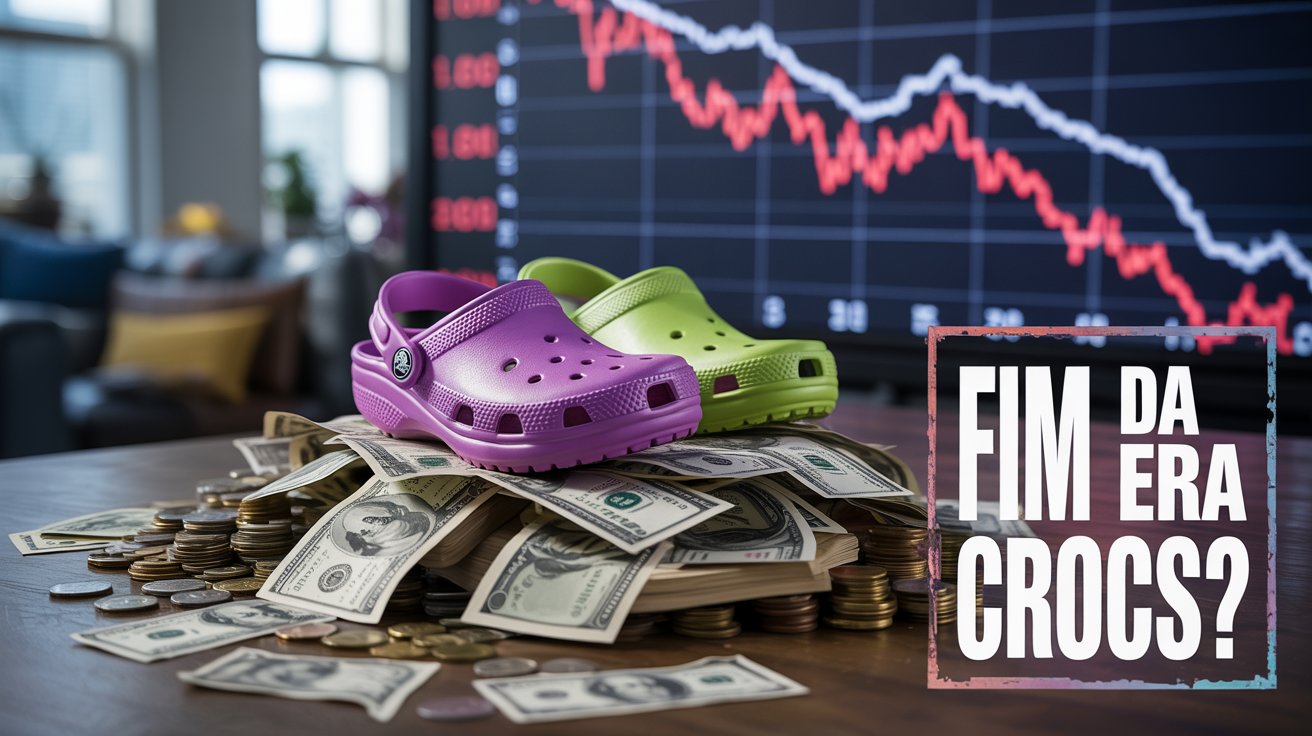

Crocs Faces Historic Drop In Shares After Negative Revenue Projection And Signs Of Change In Consumer Behavior, Putting At Risk The Trend That Drove The Brand In Recent Years.
The Shares Of Crocs Fell Nearly 30% On August 7 After The Company Projected A 9% To 11% Decline In Third Quarter Revenue And Pointed To Weakening Consumption In The United States.
The Rubber Footwear Manufacturer Indicated That Part Of The Trend Of “Ugly Shoes” Is Losing Momentum And That Customers Are Being More Cautious With Non-Essential Spending.
The Movement Took The Stock To Its Lowest Level In Nearly Three Years. It Was The Largest Daily Drop Since October 2011.
-
Major Appliance Manufacturer Closes Factory in Argentina, Shifts Production to Brazil, and Restructures in Latin America with Mexico Closure, Investing Up to $165 Million

-
China to Revive $3.6 Billion Mega-Dam Project in Myanmar, Stalled Since 2011, Promising 6 GW Capacity and Completion in Eight Years

-
Foreign Company Wins Auction for Brazil’s First Immersed Tunnel, a $1.3 Billion Project with $14 Million Contract Under Federal Investigation

-
China’s Century Megaproject Wows the World: Massive Water Transfer Network Moves Water from Wet South to Arid North, with Ambitious Plans in the Tibetan Plateau Involving Giant Tunnels at Altitudes up to 4,000 Meters




According To The Newspaper Folha De S.Paulo, The Immediate Market Reading Was Of Greater Risk In The Short Term And That The Drop In Crocs Shares Reflects A Less Favorable Demand Cycle Combined With Cost Pressures.
Revised Projection And Sign Of Caution
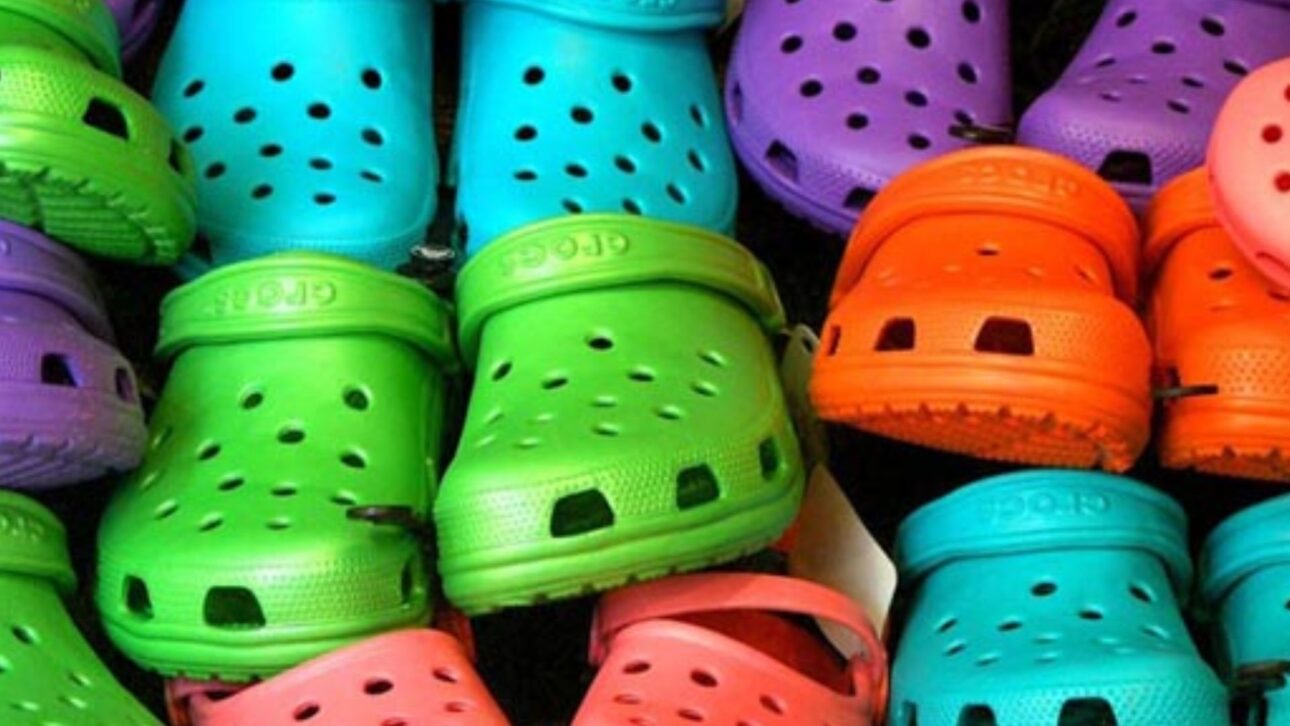
The Company Reported, In Second Quarter Results, That Third Quarter Revenue Is Expected To Shrink Between 9% And 11% Year-On-Year.
Analysts Expected Slight Growth.
According To Management, The American Consumer Is Cutting Back On Discretionary Spending—The Non-Essential Purchases—Due To A High Price Environment And Uncertainties.
CEO Andrew Rees Stated That “We See The American Consumer Acting Cautiously Regarding Discretionary Spending” And That “They Face Current And Future Implicit Price Increases, Which We Believe Could Be An Additional Factor For Deceleration”.
Costs, Tariffs, And Trade Policy
In Addition To Weaker Demand, Crocs Reported Cost Pressures Related To Import Tariffs.
The Company Estimates An Impact Of About US$ 40 Million In The Second Half Of 2025 And US$ 90 Million On An Annual Basis, According To CFO Susan Healy.
These Tariffs Were Attributed By The Company To Government Measures In The United States Under Donald Trump.
Crocs’ Strategy Includes Stringent Expense Management And Reducing Promotional Discounts, But Management Itself Acknowledges That The Cut In Discounts May Weigh On Sales In The Short Term.
Transitioning Trends: What Happens To The “Ugly” Ones?
During The Pandemic And In The Following Years, The Appeal Of Comfort Drove Clogs, Mules, And Bulky Models Known As “Ugly Shoes.”
Crocs Rode This Movement.
Now, The Shift In Consumer Taste Begins To Show In The Numbers And Retail Signals.
Rees Admitted That There Is “Broad Evidence” Of Caution Among A Segment Of The Customer Base.
He Added That Athletic Footwear Is Gaining Traction Again, Predicting That Events Such As The 2026 World Cup And The 2028 Olympics Will Favor Sports Brands.
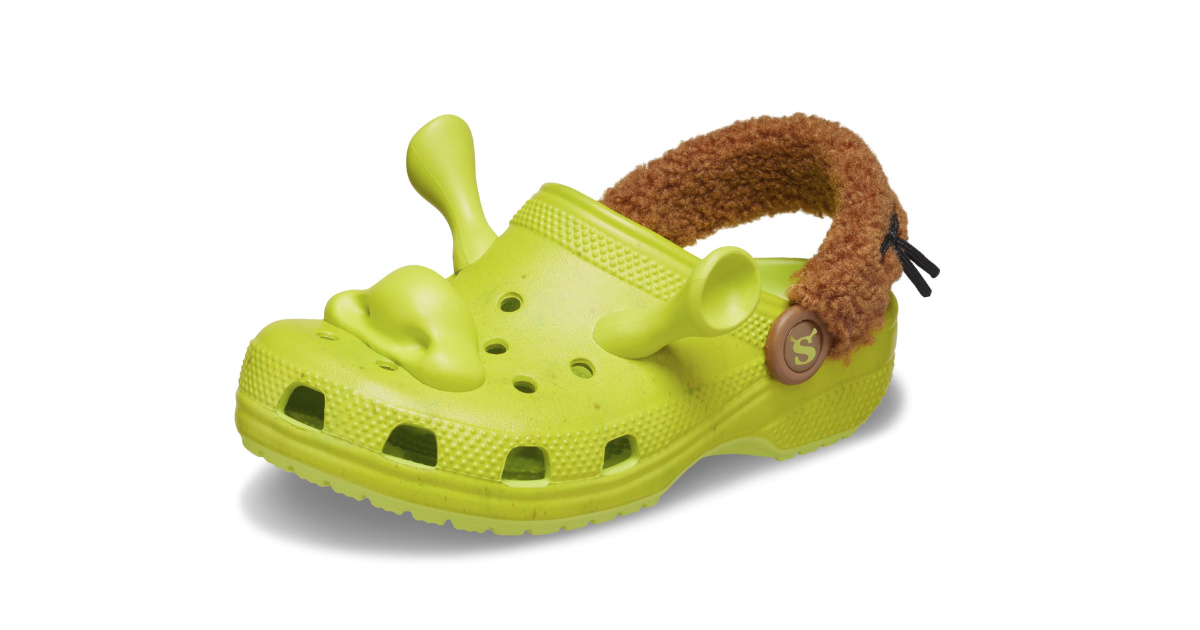
This Scenario Helps Explain The Drop In Crocs Shares, As Investors Reevaluate The Strength Of The Trend That Supported Recent Margins And Volumes.
For SEO Purposes, Industry Experts Describe This Rearrangement As A Decline In Crocs On The Stock Market Following A Shift In Public Preferences.
Wholesale And Outlets Feel It First
The Executive Also Highlighted That The Effect Is Likely To Be More Severe In Wholesale And Outlets, Where Price Sensitivity Is Higher.
According To The Company, Store Visits Have Decreased, And Traffic Has Fallen In Regions More Dependent On Lower-Income Consumers.
This Group Was Already Moderating Spending, As Indicated By Fast-Food Chains In The U.S. Regarding Smaller Average Tickets.
The Reaction In Physical Channels, If Persistent, Tends To Pressure Retailer Orders And Pass-Through In The Supply Chain, Widening The Decline In Crocs Among Investors Concerned With Sell-In In The Second Half.
Q2 Results: Positive Revenue, Impacted Profit
In The Three Months Ended On June 30, Crocs Reported A Net Loss Of US$ 492.3 Million.
The Number Was Impacted By Accounting Write-Downs Exceeding US$ 700 Million Related To The Acquisition Of The Casual Footwear Brand Heydude, Made For US$ 2.5 Billion.
In Contrast, Revenue Grew 3.4% Year-On-Year, To US$ 1.1 Billion, In Line With Market Estimates.
Resilience In International Markets Mitigated The Decline In North America.
This Mixed Picture—Strong Top Line And Profit Pressured By Impairment—Helps Understand Why The Drop In Crocs Shares Was So Acute: Investors Discount Less Visibility Of Growth While Repricing Accounting And Execution Risks.
Competition And Sports Calendar
Management Mentioned That Athleticism Is Returning To The Center Of The Wardrobe For Some Consumers.
With The 2026 World Cup And The 2028 Olympics On The Horizon, There Is Expectation Of Increased Attention To Performance Items, Which Historically Benefits Global Sports Brands.
This Combination Could Shift Budgets Away From Casual Footwear And Deliberately “Strange” Looks, Pressuring Volumes Of Clogs And Similar Products.
The Message To The Market Is That The Decline In Crocs Does Not Derive Only From Internal Factors, But From A Sectorial Rotation That Requires A Portfolio, Pricing, And Communication Response.