






 Portuguese
  Spanish
  5 min of reading
  0 comments


Understand why the rising cost of living is pressuring Brazilian families and discover how small daily changes can completely transform your relationship with money and prevent long-term financial problems
In the face of an increasingly challenging economic scenario, organizing personal finances has ceased to be a choice and has become an urgent necessity for millions of Brazilians. In recent years, the constant increase in prices of essential items such as food, rent, and healthcare has significantly reduced families’ purchasing power, making financial planning one of the pillars for maintaining budget balance.
The information was released by “O Globo”, based on data from Tendências Consultoria and financial education specialists, revealing that the share of disposable income for extra expenses fell to just 21%, the lowest level since 2011. In other words, less and less money is left for leisure, unforeseen events, or investments, which increases the risk of indebtedness.
Furthermore, according to economist Alessandra Ribeiro, a partner at Tendências Consultoria, even with the economy showing signs of growth and the job market registering historically low unemployment levels, the feeling of financial well-being has decreased. This happens because the cost of living is growing at a faster pace than the population’s income.
-
Neighboring Balneário Camboriú will receive a R$ 1 billion airport with 225 hangars, an area of 2.2 million m², a technology park, and an export zone that promises to transform the economy and generate thousands of jobs.

-
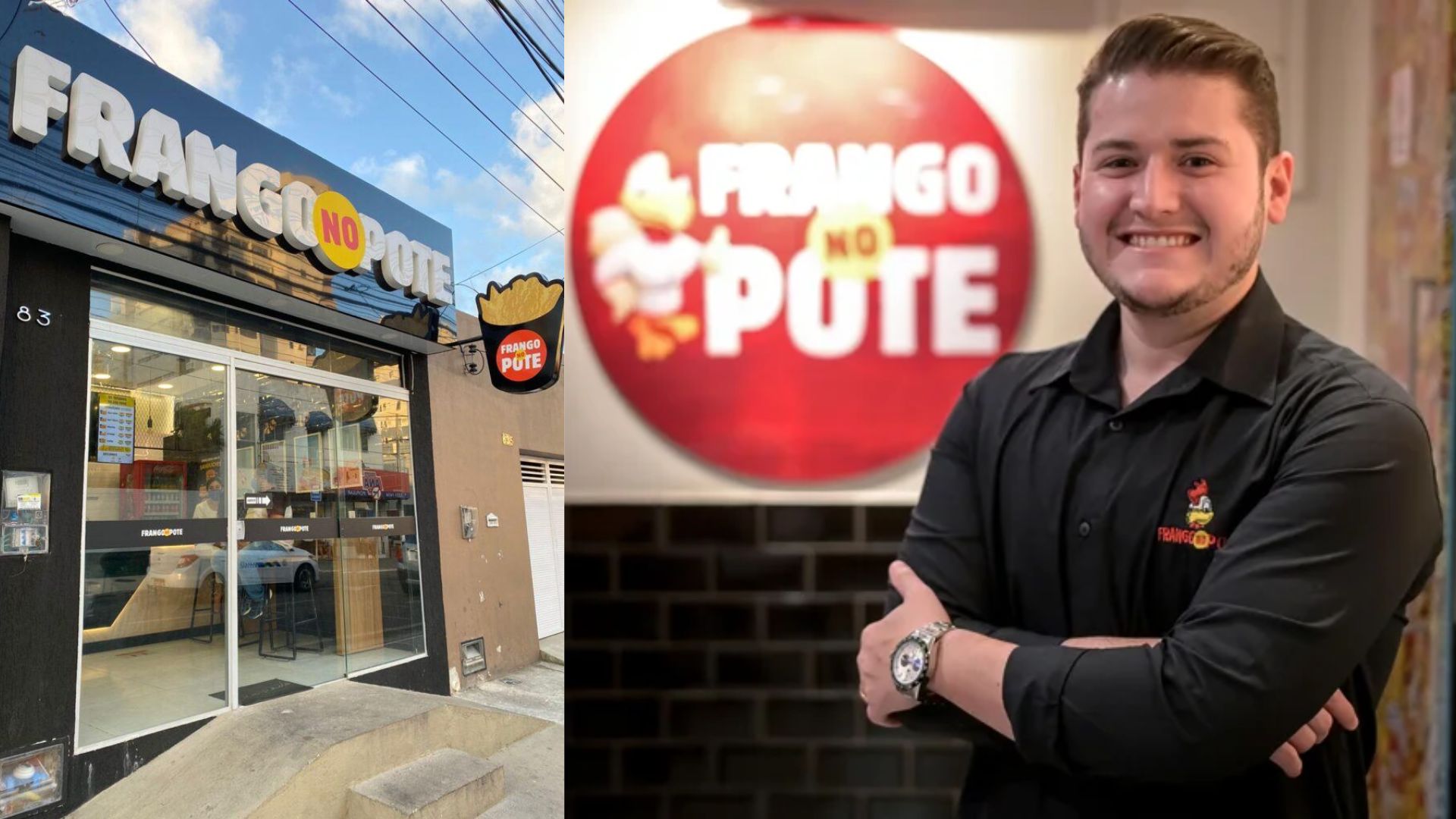
After investing R$ 5,000 in fried chicken in his backyard, a Brazilian transformed two fryers and a freezer into a network with 115 sales points, presence in up to 17 states, and revenue exceeding R$ 115 million per year.
-
Not even Trump convinces the market: U.S. companies state that Brazil has no substitute, pressure Washington against the 25% tariff, and warn that the measure could raise prices, cause layoffs, delay projects, and harm sectors that depend on stones, wood, seeds, and other Brazilian products.

-
It’s not just Bolsa Família: CadÚnico can provide access to seven little-known benefits, including cheaper electricity bills, free interstate travel, microcredit, cisterns, popular phone service, and exemption from fees in public exams and the Enem.



Therefore, given this scenario, understanding how to organize the budget, avoid debts, and create a financial reserve becomes fundamental to ensure more security and peace of mind in daily life.
How to organize your budget and avoid debts in daily life
First and foremost, the first step to getting out of financial trouble is to have complete clarity about your income and expenses. Therefore, specialists recommend that financial planning be done even before the start of the month. This way, it is possible to foresee fixed and variable expenses, identify possible excesses, and adjust the budget in advance.
Furthermore, recording all expenses — including small ones — is an essential practice. Often, seemingly insignificant expenses end up accumulating and compromising a significant portion of income. Therefore, maintaining a spreadsheet, using apps, or even a notebook can make all the difference in financial control.
Another important point is the categorization of expenses. By separating expenses for housing, food, transportation, healthcare, education, and leisure, it becomes much easier to identify where savings can be made. Thus, consumers can make more conscious decisions and reduce waste.
However, it is crucial to avoid installment payments for essential expenses, such as electricity bills, groceries, or medications. Although it may seem like a momentary solution, this practice tends to create a snowball effect, as these expenses continue to exist in subsequent months.
Similarly, the use of credit cards requires extra attention. Although it is a practical tool, it does not represent an increase in income. On the contrary, when used improperly — especially with minimum payment of the bill — it can generate high interest and turn a small debt into a major financial problem.
Furthermore, excessive “interest-free” installments also require caution. Although they seem harmless, they compromise future income and can become difficult to manage in case of unforeseen events, such as job loss or income reduction.
Strategies to get out of debt and regain financial control
For those already in debt, there are possible ways to reorganize financial life. An example of this is the Desenrola Brasil 2.0 program, launched by the federal government, which allows the renegotiation of debts such as overdraft, credit card, and personal loans.
In this context, the program serves people with income up to five minimum wages (R$ 8,105) and covers debts overdue between 90 days and two years. Furthermore, discounts can reach, on average, 65% of the total debt amount, with interest of 1.99% per month and a payment term of up to four years.
Another important differential is the possibility of using part of the FGTS (Guarantee Fund for Length of Service) to reduce indebtedness. However, this option still depends on operational stages, with release expected from August.
A real example of this situation is network technician Rony de Moraes, 38, a resident of Japeri, in Baixada Fluminense. After being unemployed for seven months, he accumulated about R$ 2,000 in credit card debt and between R$ 4,000 and R$ 5,000 in personal loans. Even after returning to work, with an income of one minimum wage, he still faces difficulties balancing his budget.
Thus, Desenrola emerges as a concrete opportunity for financial reorganization, allowing for the reduction of interest and renegotiation of installments in a more viable way.
How to reduce expenses and build a healthier financial life
In addition to renegotiating debts, it is essential to adopt healthier financial habits in daily life. Firstly, prioritizing essential expenses such as housing, food, electricity, and medication should be the rule. Secondly, it is important to focus on paying off high-interest debts, such as credit card and overdraft.
Another fundamental point is to establish financial goals. Without clear objectives, money tends to be consumed only by daily urgencies. Therefore, defining short, medium, and long-term goals helps maintain discipline and focus.
Furthermore, creating an emergency fund is considered one of the pillars of financial stability. Even with small monthly amounts, this fund can prevent unforeseen events — such as health problems or unemployment — from turning into new debts.
It is also worth noting that, since the pandemic, major household expenses have skyrocketed. According to Tendências Consultoria, food rose 83.1%, rent increased 51.1%, and healthcare costs grew 55%. These indices surpass the average inflation of 41.8% during the period, measured by the IPCA, which explains the constant pressure on the budget.
Currently, about 30% of Brazilian families’ income is already committed to debts, which reinforces the importance of immediate changes in how money is managed.
Do you feel your money has been yielding less in recent months, or have you managed to maintain control even with the rising cost of living?





Be the first to react!