






 Portuguese
  Spanish


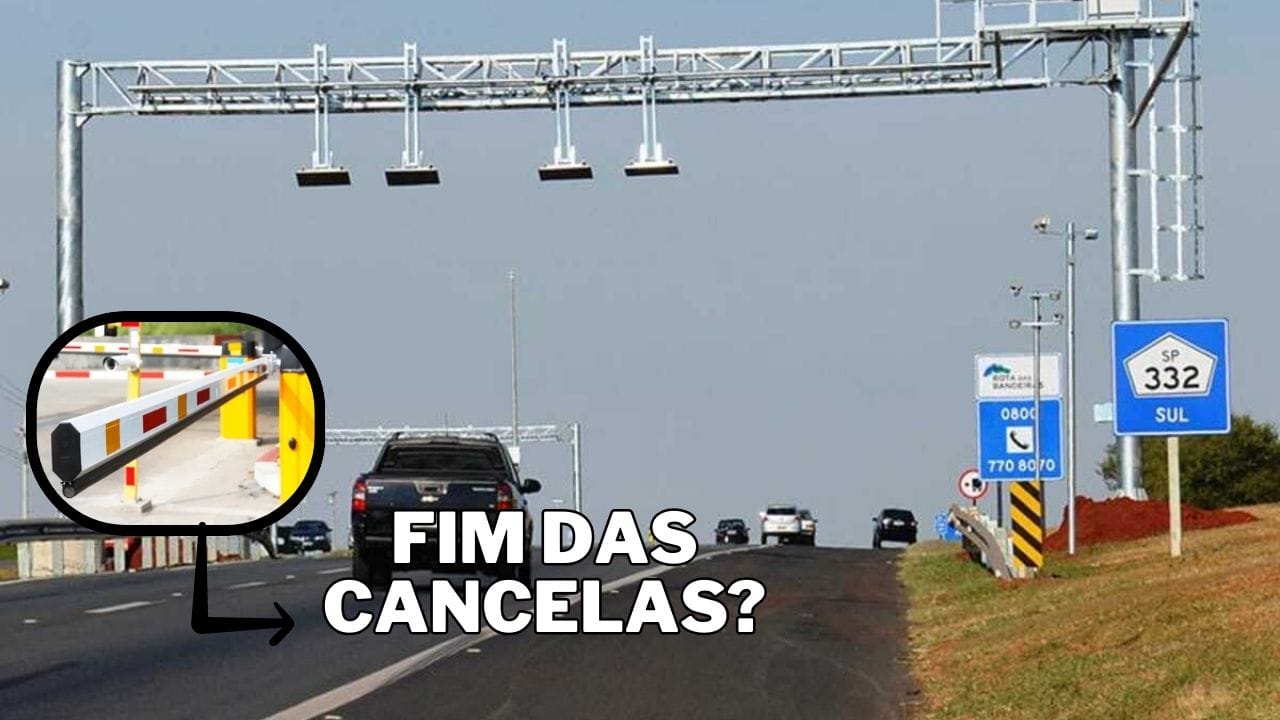

The Free Flow System May Be the Solution to the Challenges of Brazilian Tolling: Will It Be Cheaper and More Efficient?
Brazil has the fourth largest road network in the world, but only 11% of these roads are paved. With such an important road system for the country’s economy, tolls become an even more relevant topic.
The Free Flow system emerges as an innovative alternative and promises to make life easier for Brazilians. But how does it work? Will it be more efficient and cheaper? That’s what we’re going to discuss here.
The Reality of Tolls in Brazil


In 2022, a survey by CNT indicated that 69% of the granted roads were in optimal or good conditions, while 25.8% were considered regular. Despite representing an improvement in maintenance, the cost of tolls is still a thorn in the side of drivers.
-
The Port of Itaqui closes the best first semester in history with over 17 million tons and takes off as the locomotive of the Northern Arc.

-
End of an era in Brazil: beloved sedan by Brazilians is discontinued despite having a 2.0 engine with 151 hp, CVT transmission, 466-liter trunk, and up to 650 km of range.

-
Brazil’s North-South Railway to Auction Two Grain Terminals in Central Tocantins

-
AI-powered traffic cameras in São Paulo now issue fines for cellphone use and seatbelt violations around the clock




According to data from the National Confederation of Industry, 8,400 kilometers of highways should charge lower rates due to the infrastructure conditions provided.
Who has never been stuck in traffic because of a toll? And worse, with varying rates and limited payment options, driving in Brazil is like playing the lottery: you never know how much you’re going to spend.
A 200 km trip between Brasília and Goiânia, for example, can cost R$24.00 for a round trip in tolls. The same route between São Paulo and São Sebastião can reach R$63.00.
The Solution: Free Flow System
To modernize this scenario, the federal government sanctioned Law No. 14.157/21 in June 2021, allowing the implementation of the Free Flow system in Brazil. With vehicle identification and classification technology, the system allows continuous passage without the need to stop or slow down.
Unlike systems such as SEM PARAR and Conect Car, the Free Flow is not a tag, but a completely new way of toll collection.
The Free Flow performs automatic charges through electronic identifiers installed in cars. The amount is automatically debited from the driver’s account, or from a prepaid account. This means less time stopped, less congestion, and a fairer and more standardized charge.
Will It Be Cheaper?
The big question is whether the new system will be cheaper. With the new law, ANTT is responsible for standardizing the charges, potentially benefiting those who travel short distances on highways every day.
With the reduction of operational costs, the expectation is that the rates will be lower. The implementation of the Free Flow system represents a significant step toward modernizing Brazilian highways and making toll collection a fairer and more efficient system.
Although there are still many challenges to be overcome, such as the standardization of rates and payment methods, the system promises to be a substantial advance. Stay tuned because the road to the future seems to be more free and fair.








