






 Portuguese
  Spanish


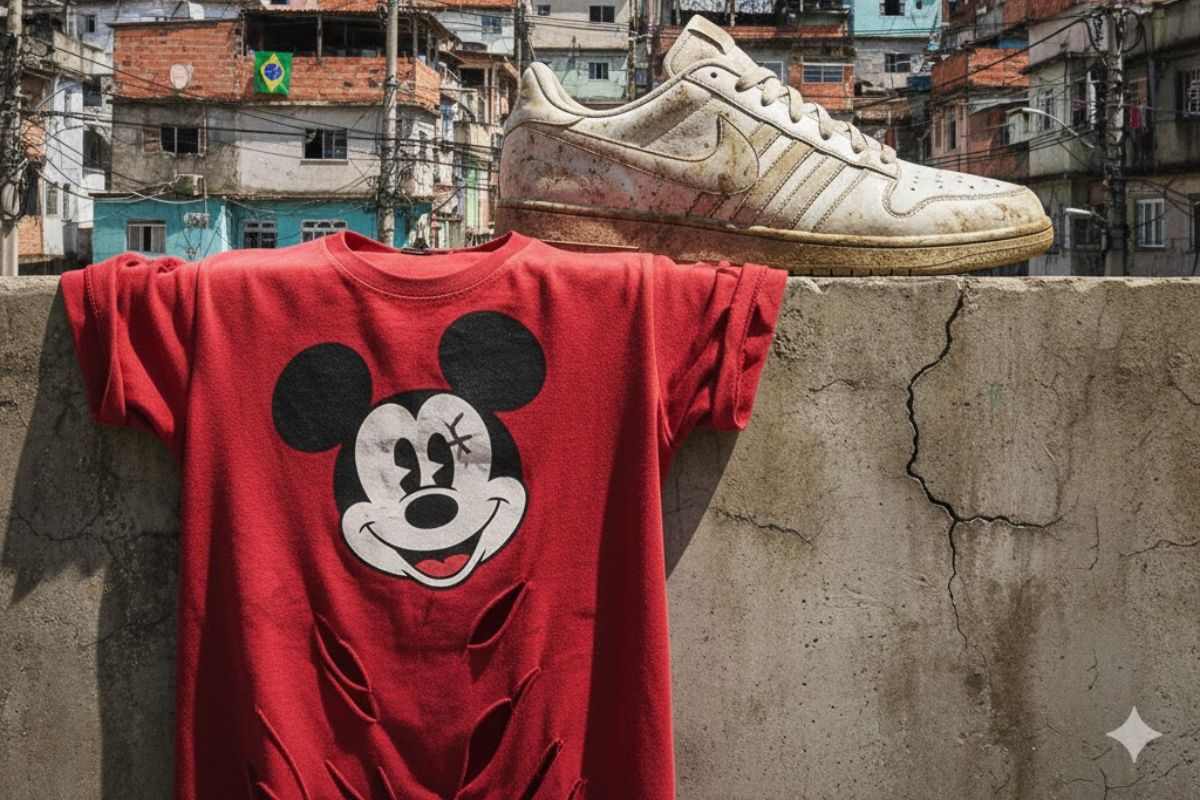


Symbolic Appropriation by Gangs in Brazil Transforms Brands and Gestures into Signs of Power and Fear, Imposing Restrictions on Clothing, Expression, and Behavior in Entire Communities Under Criminal Dominance
What was once just style or expression has turned into a matter of survival. In various regions of the country, gangs in Brazil are redefining the meaning of popular symbols — from brands like Adidas, Nike, and even Mickey Mouse — transforming cultural elements into codes of belonging and threat. The simple act of wearing a shirt, making a gesture with your hands, or posting a photo on social media can be interpreted as provocation to rival groups.
According to a report from Brasil Paralelo, this phenomenon, which mixes symbolic violence, territorial control, and collective fear, exposes a new stage of gang power: dominance over appearance and everyday language. The appropriation of brands and gestures has become a tool for intimidation and social censorship, especially in neighborhoods controlled by criminal organizations.
When What You Wear Becomes a Death Sentence
In Salvador, the association of brands and gestures with criminal groups has already caused panic among residents and merchants.
-
11-Year-Old Entrepreneur Sells 60 Homemade Sweets Daily, Mastering Cost Calculation, Social Media Promotion, and Client Negotiation Since Age 7

-
Peruvian Mountain’s 5,200 Aligned Holes May Unveil Ancient Indigenous Market for Corn and Cotton
-
The Little-Known Story of a Home-Built Airplane That Promised Freedom but Faced Safety Issues After Numerous Accidents

-
He Didn’t Build a Plane, But Spent Decades Trying to Make Bicycles Fly with Wings and Pedals; Remaining Models Tell This Unusual Story in Germany



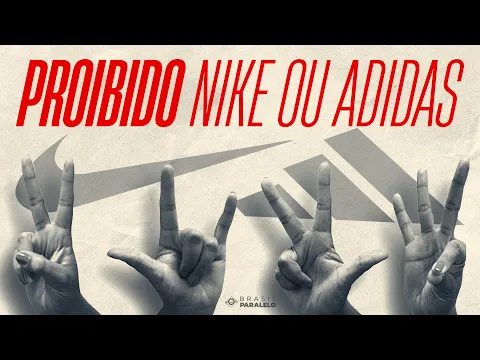
The Adidas brand, globally recognized for its three stripes, has been appropriated by members of the Bonde do Maluco (BDM), whose acronym has three letters, and whose greeting — “everything three” — is represented with three fingers raised.
In areas controlled by the Comando Vermelho (CV), a rival faction, the same symbol is seen as provocation.
In these places, Nike has become the brand associated with “everything two”, referring to the two letters in the group’s acronym. There are reports of people being threatened simply for wearing clothes associated with the rival symbol.
A merchant in Salvador reported being warned: “There it’s three, and here we are two.” After the threat, he had to change clothes to continue working.
From Global Brands to Local Codes of Gangs in Brazil

The process of symbolic appropriation is not exclusive to sports brands.
In 2025, an 18-year-old was murdered for wearing a Mickey Mouse t-shirt in a neighborhood controlled by another faction.
According to the police, the Disney character has become associated with the A Tropa faction, a direct rival of BDM. The victim refused to take off the shirt, a gift from his grandmother, and was ultimately killed by beating.
Similar cases have occurred in Camaçari and Jericoacoara, where teenagers were executed after posting photos with three-finger gestures — a signal used by groups linked to the PCC.
In many of these episodes, the victims had no involvement with crime, but were judged and punished by the so-called “crime tribunal” merely for appearing to belong to a rival faction.
Visual Language, Fear, and Self-Censorship
Public safety experts describe the phenomenon as an extreme form of social control through symbolism.
The dominance is not limited to weapons or drug trafficking: gangs have begun to impose codes of dress, behavior, and communication, creating a culture of fear and self-censorship.
In schools in Salvador, students were suspended after drawing three lines on their eyebrows, an aesthetic gesture common on social media, but which gained criminal connotation there.
According to teachers, the panic among parents and students was such that 15 young people stopped attending classes for fear of being mistaken for BDM members.
When Fear Crosses the Boundary of Clothes
The symbolism of gangs in Brazil already affects even brands and institutions outside of crime.
In 2024, Botafogo had to change the logo of a sponsor whose design — a hand in the shape of a “V” — was interpreted as a reference to the Carioca faction Terceiro Comando Puro.
On social media, fans warned that the use of the symbol could put people at risk in certain areas of Rio de Janeiro.
Such cases show how symbolic violence precedes physical violence. In communities where crime dictates codes of appearance, individual freedom disappears.
Merchants avoid displaying certain brands, young people refrain from wearing designer clothes, and residents alter their gestures in photos to avoid being mistaken for faction enemies.
Fear imposes itself as a silent law.
Symbolic Appropriation as a New Form of Power
Sociologist Ivana Davi, a researcher of the prison system, defines this behavior as a cultural extension of territorial dominance.
“When a gang imposes what can or cannot be worn, it goes beyond the field of crime and takes on the role of social regulator,” she explains.
This dynamic reveals the strength of gang influence in Brazil, now present in 26 states and with over 80 identified groups in the prison system.
By transforming global brands into local symbols of power, these organizations create a visual language that reinforces belonging and intimidation.
The gesture, color, or brand cease to be personal choices and begin to represent invisible boundaries between “us” and “them.”


