






 Portuguese
  Spanish
  4 min of reading
  0 comments


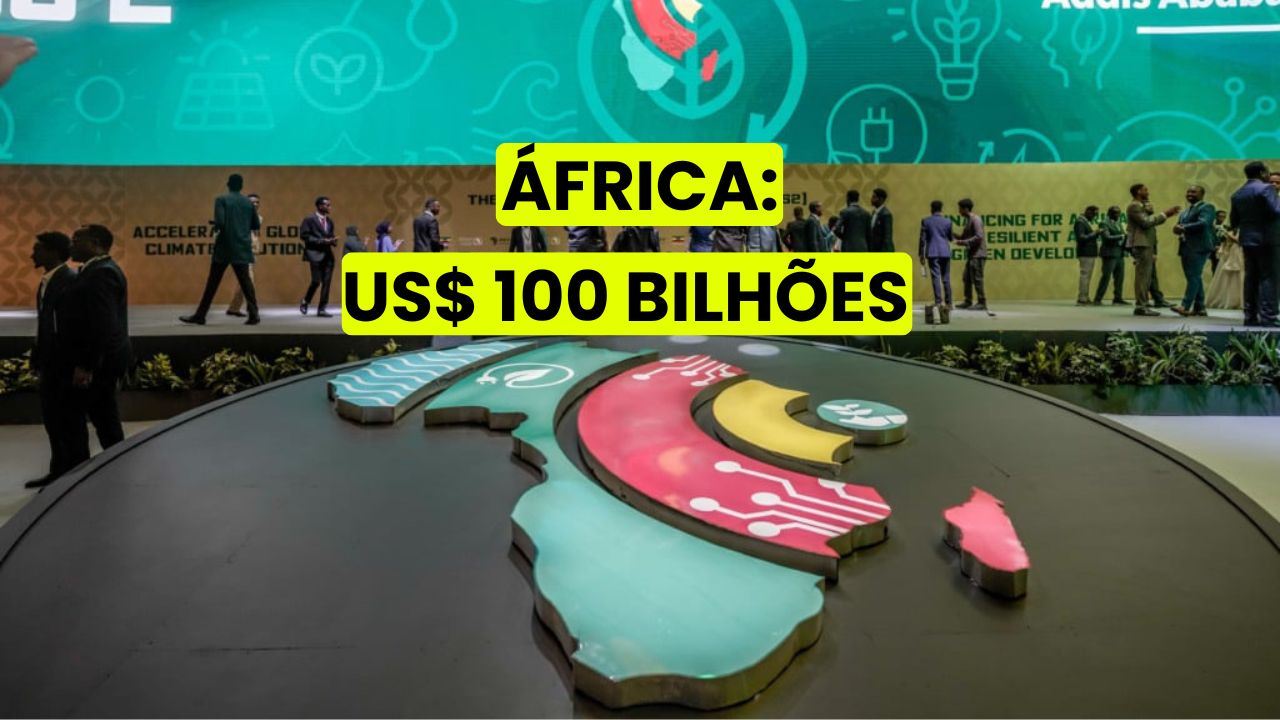
Leaders of Africa Announce Ambitious Plan to Invest US$ 100 Billion in Sustainable Projects, Strengthening the Green Industry and Accelerating the Energy Transition by 2030
On this Wednesday (10), during the 2nd Africa Climate Summit, held in Addis Ababa, Ethiopia, African leaders and financial institutions announced a historic commitment of US$ 100 billion to boost the green industry and accelerate the energy transition on the continent by 2030.
The pact represents a strategic response to the global climate urgency and the need to electrify around 600 million Africans who still live without access to energy.
The initiative was presented as part of the Addis Ababa Declaration, a document that will be taken to COP30 in Brazil, focusing on a just transition, adequate climate financing, and African leadership in global climate decisions.
-
Brazilian scientists are simultaneously advancing two research projects on clean hydrogen and driving solutions that could transform the energy matrix, enhance industrial competitiveness, and accelerate large-scale emission reduction targets.

-
Advancement in renewable energy: A R$ 150 million project launched by Petrobras and Finep aims to create state-of-the-art electrolyzers for green hydrogen, strengthening national research and preparing Brazil to compete in a billion-dollar energy market.
-
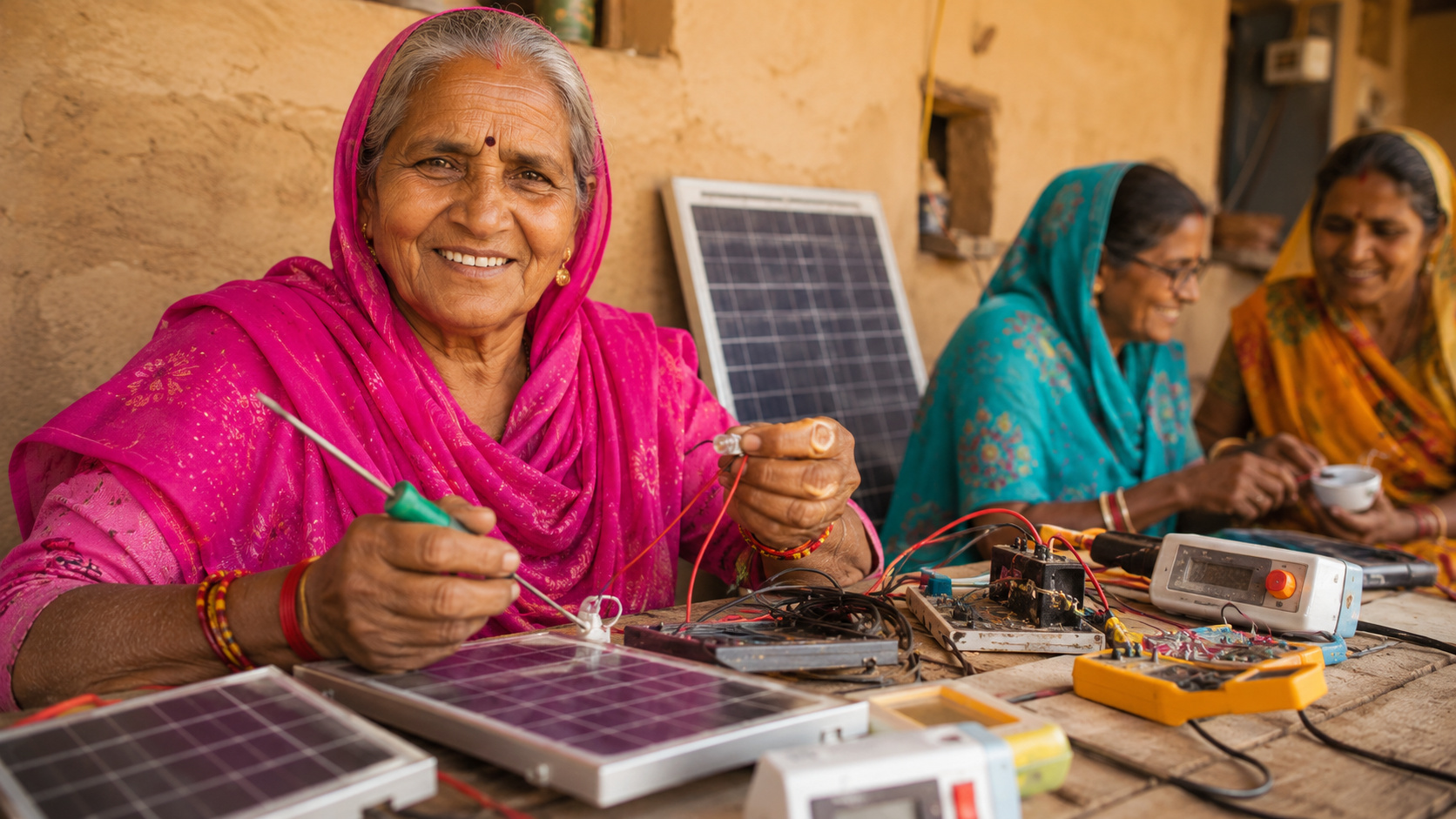
Illiterate or semi-literate grandmothers were trained to repair solar systems, open rural workshops, and light up homes that still depended on kerosene.
-
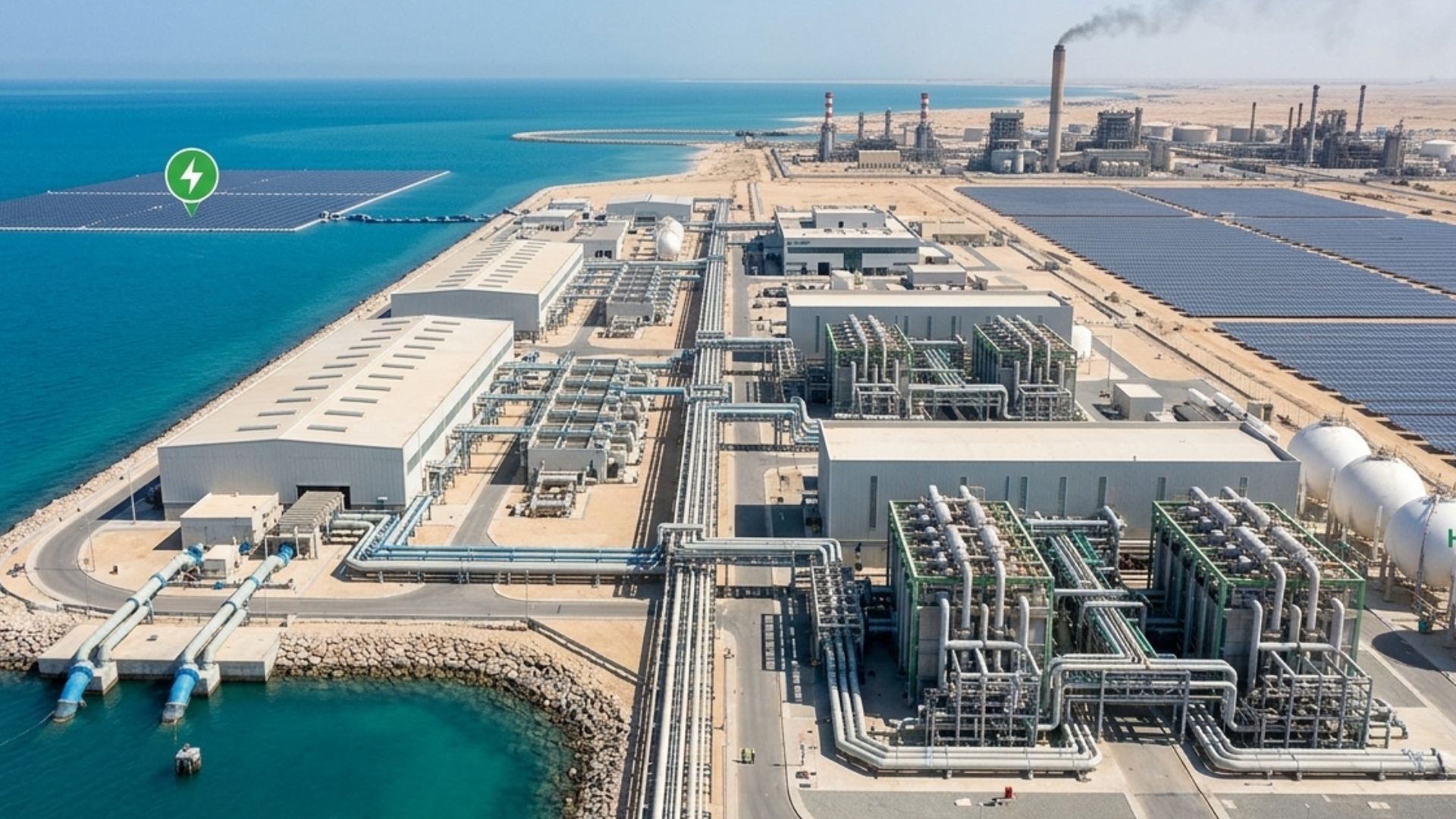
The world has bet on green hydrogen as the fuel of the future, but now faces the side effect: producing 1 kilogram requires about 9 liters of ultrapure water, and the largest projects on the planet are precisely in the driest regions of the Earth, where water is already scarce for people.



Commitment of US$ 100 Billion: A Continental Milestone
The announcement of the commitment of US$ 100 billion was made by development banks and African financial institutions, focusing on renewable energy projects, green hydrogen, critical minerals, and local climate innovation solutions.
The goal is to expand Africa’s energy capacity to 300 GW by 2030, with investments prioritizing inclusion, sustainability, and energy sovereignty. The initiative also aims to attract international capital, reform climate financing mechanisms, and strengthen cooperation between African countries and global partners.
Energy Transition and Universal Access to Electricity
The energy transition in Africa is an urgent priority. With around 600 million people without access to electricity, the continent faces structural challenges that require scalable and sustainable solutions. The expansion plan for 300 GW of renewable energy includes:
- Large-Scale Solar and Wind Energy
- Renewable Hydrogen Projects
- Strategic Use of Natural Gas as a Transition Source
- Investments in Transmission and Distribution Infrastructure
In addition to reducing dependence on fossil fuels, the proposal aims to ensure energy security, stimulate economic growth, and improve the quality of life for the most vulnerable populations.
Green Industry as a Vector of Development in Africa
Building a robust green industry is one of the pillars of the African plan. The objective is to generate skilled jobs, add value to the production chain, and position Africa as a leader in the low-carbon economy. Among the strategic sectors are:
- Sustainable Mining of Critical Minerals (such as lithium, cobalt, and nickel)
- Production of Renewable Energy Equipment
- Development of Clean Technologies in Transportation, Agriculture, and Sanitation
- Encouragement of Innovation through Universities, Startups, and Local Communities
The Africa Climate Innovation Compact (ACIC) and the African Climate Facility (ACF) set the goals to mobilize US$ 50 billion per year to finance African solutions in key areas, focusing on innovation, inclusion, and social impact.


Climate Financing and Reform of Multilateral Banks
Despite the progress represented by the commitment of US$ 100 billion, African leaders warn that global climate financing is still insufficient. It is estimated that the continent will need US$ 3 trillion by 2030 to meet its climate goals, but only US$ 30 billion has been effectively allocated to African nations.
The Climate Summit reinforced the demand for a reform of Multilateral Development Banks (MDBs), which today face criticism for making it difficult to access credit for middle- and low-income countries. In 2024, MDBs recorded a record US$ 137 billion in climate financing, of which US$ 85.1 billion went to emerging and developing countries.
The World Bank led with US$ 41.1 billion, followed by the African Development Bank with US$ 5.5 billion. The African proposal advocates for greater flexibility in credit granting criteria, reducing currency risks, and expanding guarantees for sustainable projects.
Local Solutions and Innovation in the African Energy Transition
Africa is betting on local solutions to ensure that the energy transition is inclusive, effective, and adapted to regional realities. The goal is to develop 1,000 local climate solutions by 2030, involving:
- Research Institutions and Universities
- Clean Technology Startups
- Rural and Indigenous Communities
- Public-Private Partnerships
This model aims to strengthen the autonomy of African countries, promote the leadership of local populations, and stimulate the creation of technologies suitable for the continent’s climatic, social, and economic conditions.
Climate Geopolitics and Africa’s Leadership
The Ethiopia used the summit to launch its candidacy for the COP32 in 2027, competing with Lagos. This diplomatic maneuver reinforces Africa’s desire to take a central role in global climate negotiations. Meanwhile, India and South Korea are already organizing to host the COP33 in 2028.
The Addis Ababa Declaration will be taken to COP30 in Brazil, focusing on:
- Just Transition
- Equitable Climate Financing
- Reform of International Financial Systems
- South-South Cooperation
The document also proposes the creation of an African climate monitoring mechanism, with its own indicators and goals aligned with the continent’s needs.
Historical Opportunity for Africa and the World
The announcement made on September 10, 2025, represents a turning point in Africa’s journey toward sustainability. The commitment of US$ 100 billion is not just a financial investment — it is a political and strategic statement that the continent is ready to lead its own energy transition and build a strong, autonomous, and innovative green industry.
With ambitious goals, strategic partnerships, and a long-term vision, Africa demonstrates that it does not want help — it wants investments, respect for its capacity for transformation, and space to lead the global energy future. The world, in turn, has the opportunity to support this historical shift, recognizing that Africa’s sustainable development is essential for the planet’s climate and economic balance.







Be the first to react!