Portuguese
  Spanish




Energy crisis, scarcity, and productive collapse challenge one of the greatest symbols of luxury in the world, while workers face an increasingly dramatic reality on the island
Just a few steps from the intense movement of Old Havana, the scene inside a traditional cigar shop reveals a silent and concerning reality. Empty shelves, closed doors, and a market that, until recently, symbolized luxury and tradition, now struggles to survive. This contrast alone highlights the depth of the crisis affecting Cuba.
In this context, the situation has drastically worsened after the oil blockade imposed by the United States, which interrupted the flow of essential energy for the Cuban economy. As a direct consequence, the cigar industry — one of the most emblematic in the country — has begun to face an unprecedented collapse.
According to information released by “Al Jazeera”, as per a recent international report, the impact of the blockade goes far beyond politics and directly affects production, logistics, and even the survival of thousands of workers in the sector.
-
Eco Invest Auction Aims to Unlock $10 Billion in Investments, Focusing on Green Fertilizers, Critical Minerals, Batteries, and AI for Clean Industry in Brazil

-
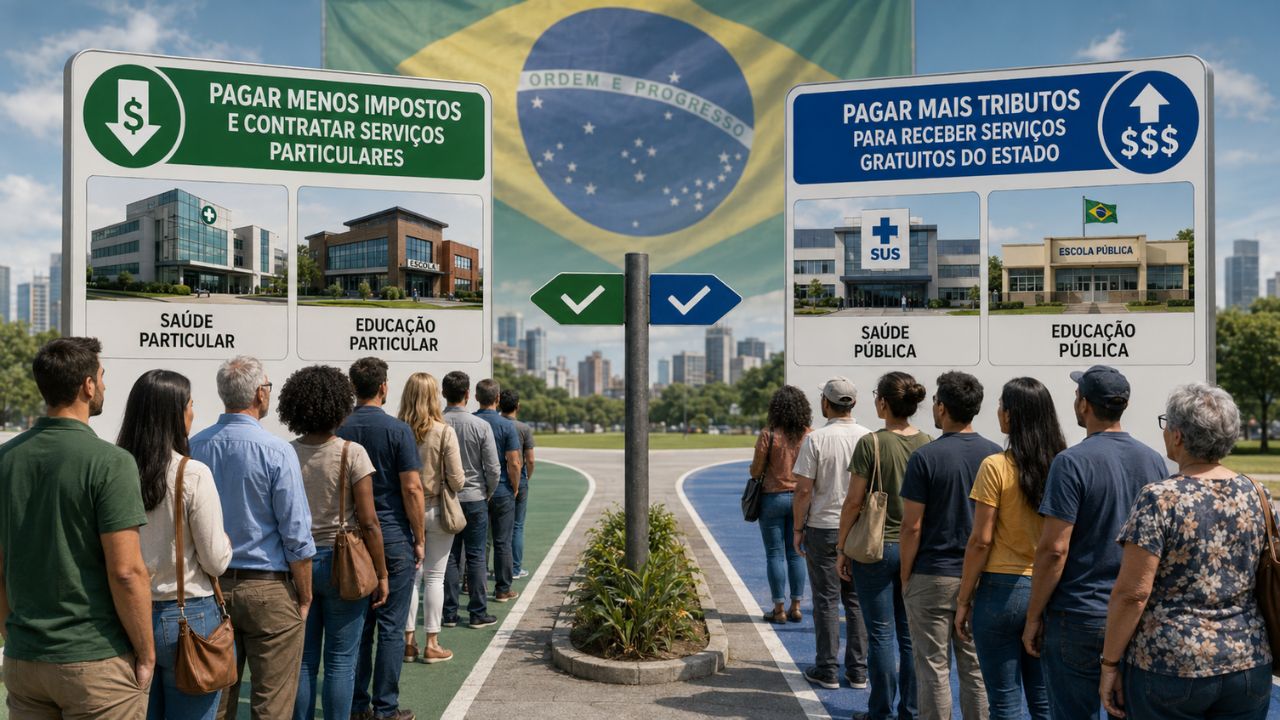
Half of Brazilians Prefer Lower Taxes with Private Health and Education, While 44% Opt for Higher Taxes for State-Provided Services, Datafolha Survey Reveals

-
Brazil’s Most Expensive Toll Rises to R$ 40.60 on Route from São Paulo to the Coast, Nearly Matching Bus Fare to Santos

-
As Brazil Expands Social Welfare, Survey Reveals 40% Blame Poverty on Laziness, While 58% Cite Lack of Opportunities




Direct impact: fuel shortage halts production, transportation, and tobacco harvesting
First of all, it is important to understand the magnitude of the problem. Cuba relies on imports for about 60% of its oil. However, since January, after threats of tariffs from the U.S. government against supplier countries, this flow has practically ceased.
As a result, only a single Russian ship managed to reach the island, transporting about 730,000 barrels of oil — enough to supply the country for just over a week. In other words, this is a temporary relief in the face of a structural crisis.
Moreover, the effects are visible in daily life: frequent blackouts, including three total collapses of the power grid just this year. Consequently, entire sectors of the economy have been affected, especially agriculture.
Currently, about 50% of the tobacco plantations in Pinar del Río — the main producing region — depend on electric irrigation systems. Without power, production suffers significant declines.
On the other hand, transportation has also become a critical bottleneck. The fuel shortage makes it difficult to send tobacco leaves to Havana, where they are traditionally hand-rolled in state factories. And as if that weren’t enough, the lack of electricity compromises the operation of these facilities.
Thus, the entire production chain collapses, highlighting how the energy crisis directly impacts one of the most important sectors of the Cuban economy.
Production plummets, prices soar, and the global market begins to feel the effects

Despite the difficulties, tobacco still represents Cuba’s main export product. In 2024, the country recorded a record revenue of almost US$ 827 million from the sale of cigars.
However, this number hides a worrying reality. Production has fallen drastically in recent years. To give an idea, in 2024 about 50 million cigars were exported, little more than half of the 93.9 million recorded in 2018.
Furthermore, agricultural data show an even more critical scenario. In 2022, Hurricane Ian destroyed up to 90% of tobacco drying sheds in Pinar del Río. As a consequence, only 5,150 hectares were planted that year — the lowest level ever recorded.
Even with recovery attempts, the Cuban government failed to reach the target of 12,152 hectares for the 2025-2026 harvest, which had already been previously reduced due to intense rainfall.
Given the scarcity, a strategy adopted was to increase prices. In Spain, for example, a Cohiba Siglo VI cigar went from 37.80 euros in January 2022 to 105 euros currently — an impressive increase of approximately 178%.
However, this increase is not reflected in workers’ incomes. On the contrary: many continue to receive extremely low wages, evidencing a growing imbalance within the sector.
Workers suffer from low wages, population exodus, and deep social crisis
While market numbers are still impressive, the reality on the streets of Havana is quite different. Industry workers report increasing difficulties in surviving.
An emblematic example is that of an employee with 16 years of experience in cigar production, who receives about 6,000 Cuban pesos per month — equivalent to approximately US$ 12 on the informal market. For comparison, a single Cohiba cigar can cost up to US$ 116, which is almost 10 times this worker’s monthly salary.
Furthermore, the energy crisis directly impacts the daily lives of the population. With public transport practically paralyzed by a lack of fuel, many workers are forced to walk long distances — in some cases, up to 4 kilometers — just to get home.
In this scenario, the increase in population exodus is not surprising. Since the pandemic, Cuba has lost up to a quarter of its population, in one of the largest migratory flows in its recent history.
As a consequence, the lack of skilled labor has become another critical problem. Some factories, which previously operated with 400 employees, now operate with only 80 — that is, just one-fifth of their original capacity.
Is the future of Cuban cigars threatened? Experts diverge on the industry’s fate
Given this scenario, experts point out that the future of the Cuban cigar industry is uncertain. On the one hand, some believe that scarcity could further increase the value of the products, transforming them into even more exclusive items in the global market.
On the other hand, there is a limit to this strategy. According to industry analysts, constant price increases may drive consumers away over time, reducing demand.
Moreover, factors such as climate change, recurring economic crises, and labor shortages indicate that challenges are likely to continue — or even intensify.
Meanwhile, regional competitors like Nicaragua and the Dominican Republic are gaining ground in the international market, offering quality cigars at more affordable prices.
Therefore, what is emerging is a scenario of global transformation in the sector, where Cuba’s historical dominance may finally be questioned.