






 Portuguese
  Spanish


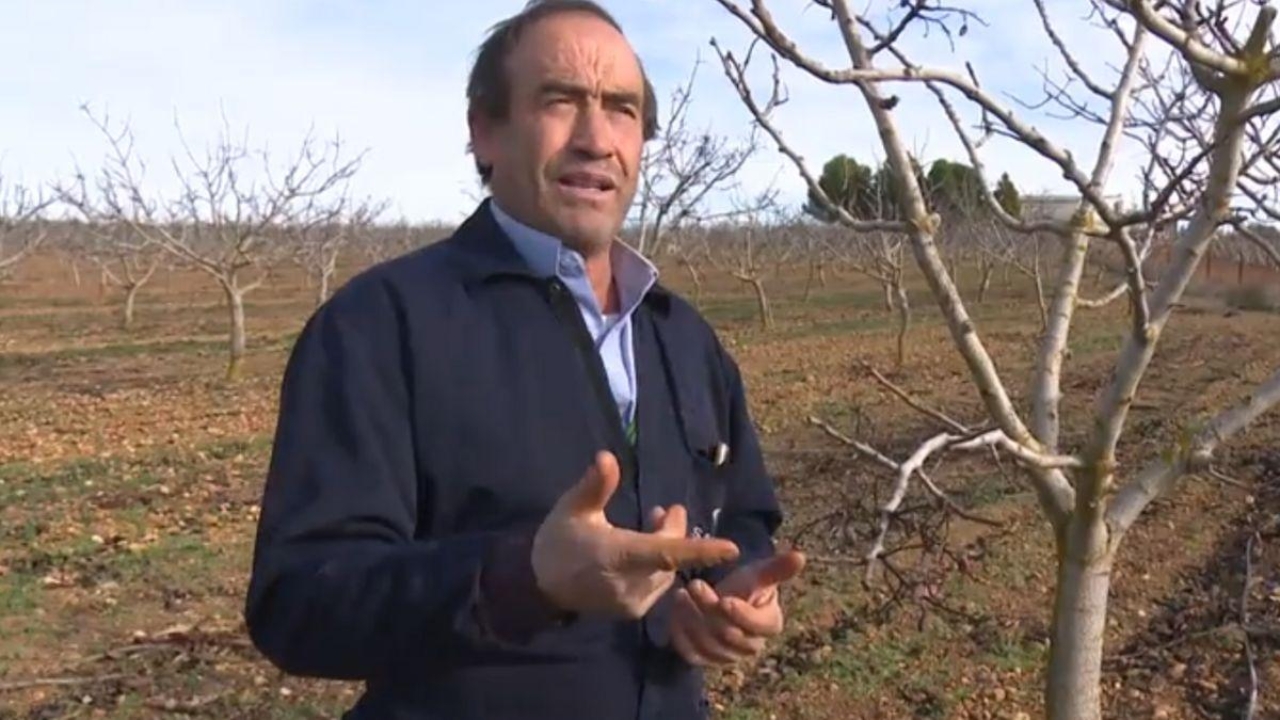


The Bet on Pistachio Changed the Account in the Field, with Constant Reinvestment and Rapid Expansion of Cultivation Areas
Spanish agriculture is experiencing a delicate period, facing price pressures, unfair competition, and unstable markets. In this scenario, interest is growing in crops capable of providing more predictability in revenue.
The pistachio has gained ground in the field, especially in Castilla La Mancha, where conditions favor expansion. One case that drew attention was in Pozuelo de Calatrava (Ciudad Real), which saw a complete turnaround in production strategy.
What Happened and Why It Got Attention
Juan José Chacón decided to leave behind vines, olives, and cereal and focus on pistachio, regarded as the most profitable dry fruit.
-
Award-Winning Japanese Restaurant Reveals It Has Preserved Part of the Same Frying Oil for 66 Years

-
American Youth Transforms from Severe Obesity to U.S. Air Force Enlistment, Losing 90 Kilograms in Two Years
-
11-Year-Old Entrepreneur Sells 60 Homemade Sweets Daily, Mastering Cost Calculation, Social Media Promotion, and Client Negotiation Since Age 7

-
Peruvian Mountain’s 5,200 Aligned Holes May Unveil Ancient Indigenous Market for Corn and Cotton


The change began in 2010, with an initial loan of 6,000 euros. From there, the planted area grew continuously.
By 2016, the capital had already tripled, marking the advancement of a model based on expansion and scaling.
How the Money Came In and Why Reinvestment Became the Key

The central strategy was simple: what comes in goes back to the field. The profit didn’t sit idle; it was used to buy more land and expand pistachio cultivation.
With this logic, the producer reached 160 hectares dedicated to cultivation. The area became the engine of an income well above the standard for previous crops.
Reinvestment accelerated growth and reinforced the idea that profitability depends on both price and the ability to maintain the cycle of expansion.
How Much He Earned Before and How Much He Began to Earn with Pistachio
The change in annual results was direct. Revenue rose from 40,000 euros with cereal and olive to 650,000 euros per year with pistachio.
It is expected to reach 2 million euros in just two years, maintaining the same logic of reinvestment and area increase.
The leap highlights how a higher value crop can transform income when planting reaches scale and production grows.
Why the Pistachio Became the Most Sought-After Dry Fruit in the Field
The producer states that there is no product in the field that compares to pistachio, considering investment, production, and profitability.
The logic is that the return allows for more planting, more production, and repeating the cycle. This creates a snowball effect, with growth sustained by capital generated through the activity itself.
The message is clear: those who produce pistachio can not only live from the crop but live comfortably, in the farmer’s words.
Points of Attention and Common Questions About the Advancement of Pistachio
Rapid growth brings challenges to the sector. One of them is the sustainability of this expansion, as the increase in area can pressure costs and resources.
Another point is the evolution of prices. Changes in supply and demand can alter margins, affecting planting and investment decisions.
There is also a growing need for specialized technical advice to avoid management errors and the risks of production bubbles in regions where cultivation intensifies.
Juan José’s Case shows how pistachio can become a route to financial turnaround in the field, with a complete shift in focus and continuous investment.
At the same time, the rapid advancement reinforces the importance of planning, technical monitoring, and attention to price behavior, so that expansion is consistent in the long term.


