





 Portuguese
  English
  Spanish
  5 min of reading
  0 comments


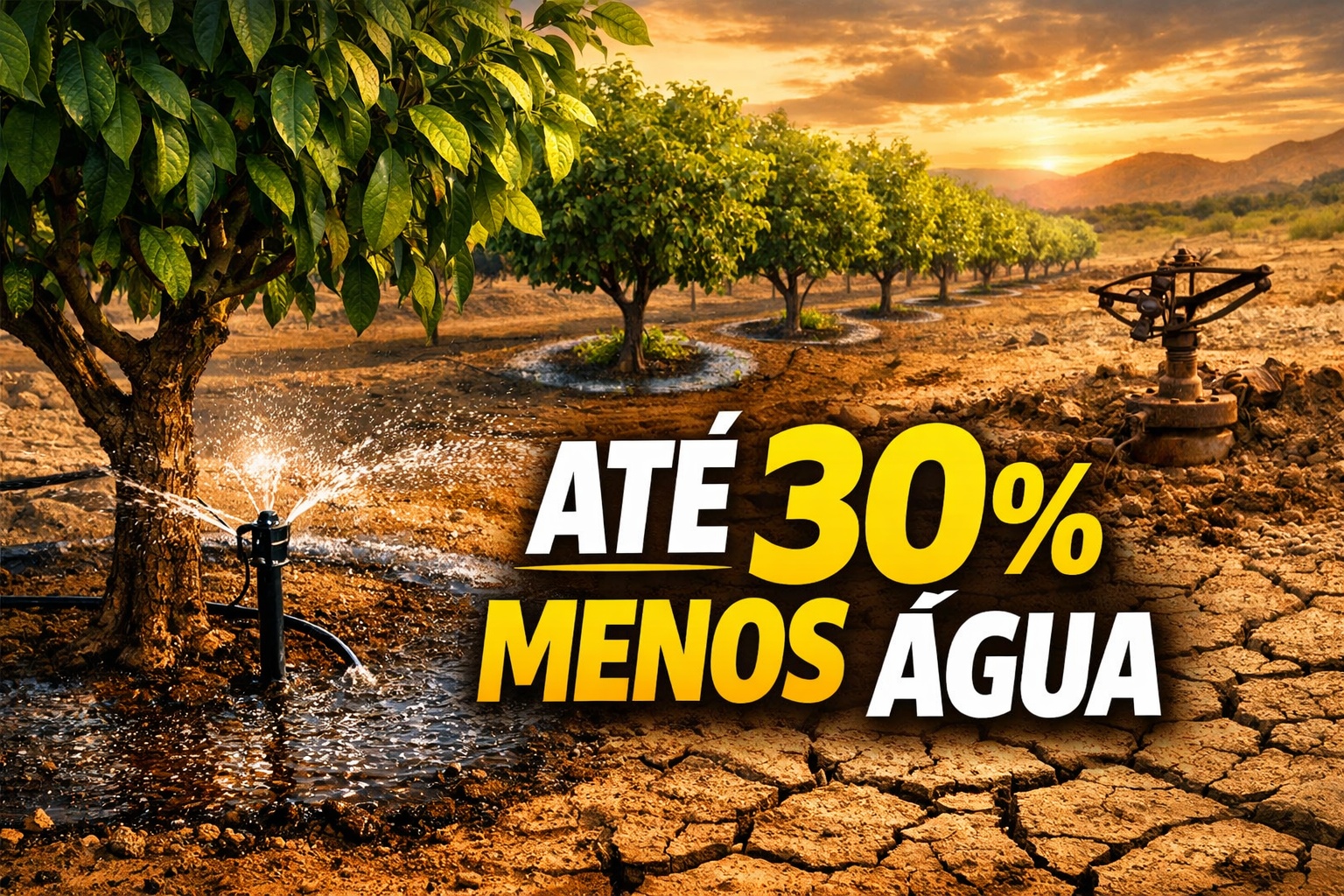
Farmers Adopt Localized Micro-Sprinkling to Reduce Water Consumption by Up to 30%, Improve Water Efficiency and Maintain Productive Orchards in Scarce Regions.
In fruit-producing regions of Brazil, especially in the states of São Paulo, Minas Gerais, Bahia, and Pernambuco, farmers have been replacing traditional sprinkler systems with localized micro-sprinkling in direct response to the increasing water scarcity and rising costs of water and electricity. The adoption of the technique began to intensify from the 2010s, but gained stronger momentum after the severe droughts recorded between 2014 and 2015 in the Southeast, and more recently, during the prolonged drought events associated with the La Niña phenomenon from 2020 to 2022.
The technical information supporting this change is documented in studies and manuals published by Embrapa Irrigation and Drainage, based in Petrolina (PE), by FAO (Food and Agriculture Organization of the United Nations), and by academic research conducted by Brazilian universities such as Esalq/USP, in addition to international institutions specialized in agricultural water management.
These studies indicate that localized micro-sprinkling, when properly designed and managed, can reduce water consumption by up to 30% compared to conventional sprinklers, while maintaining or improving orchard productivity.
-
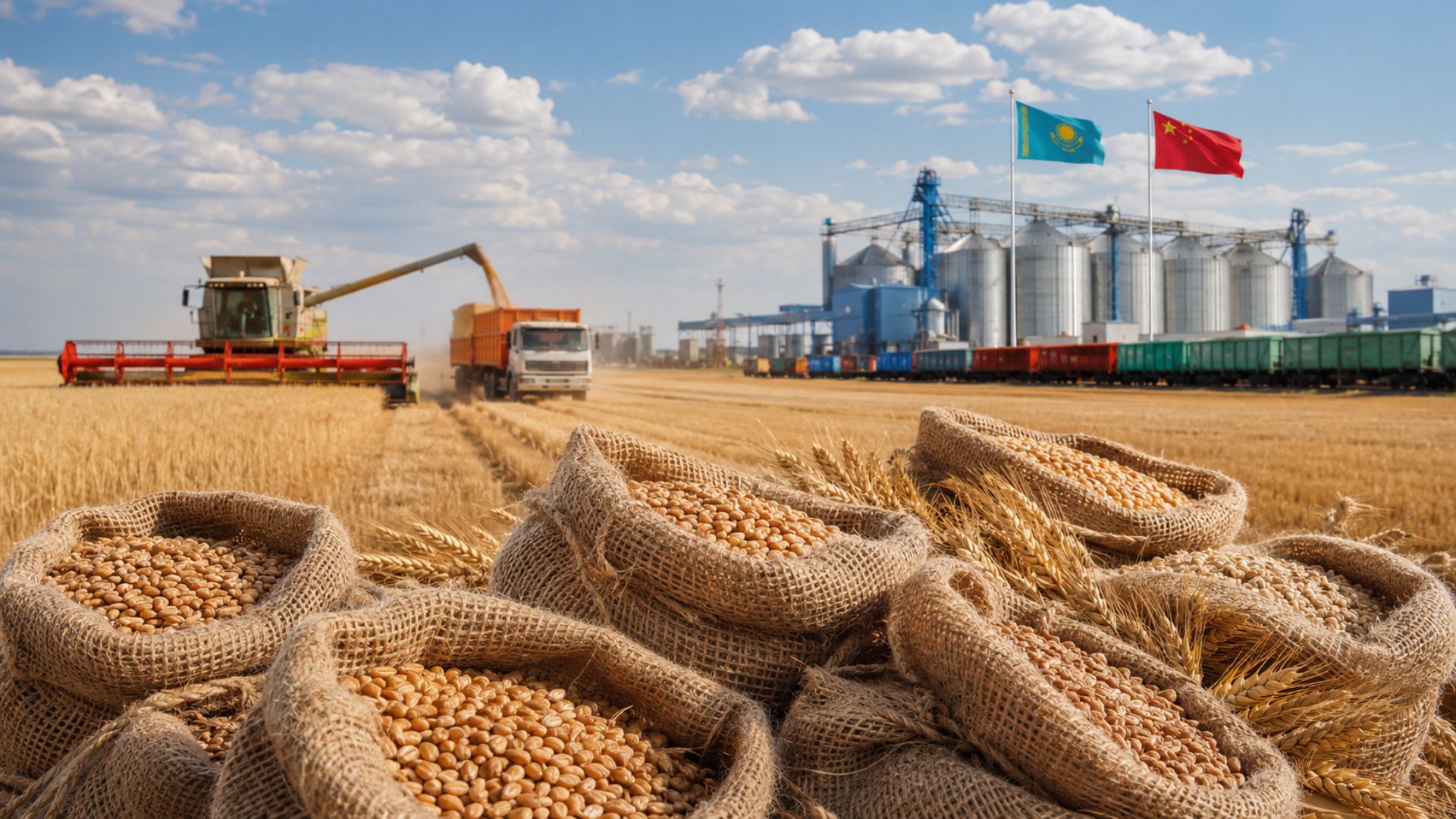
While the world discusses geopolitics, China is quietly closing a deal with its Kazakh neighbor to secure grain supplies during any global food crisis, with more than 3,600 Kazakh companies already able to export directly to the Chinese market.

-
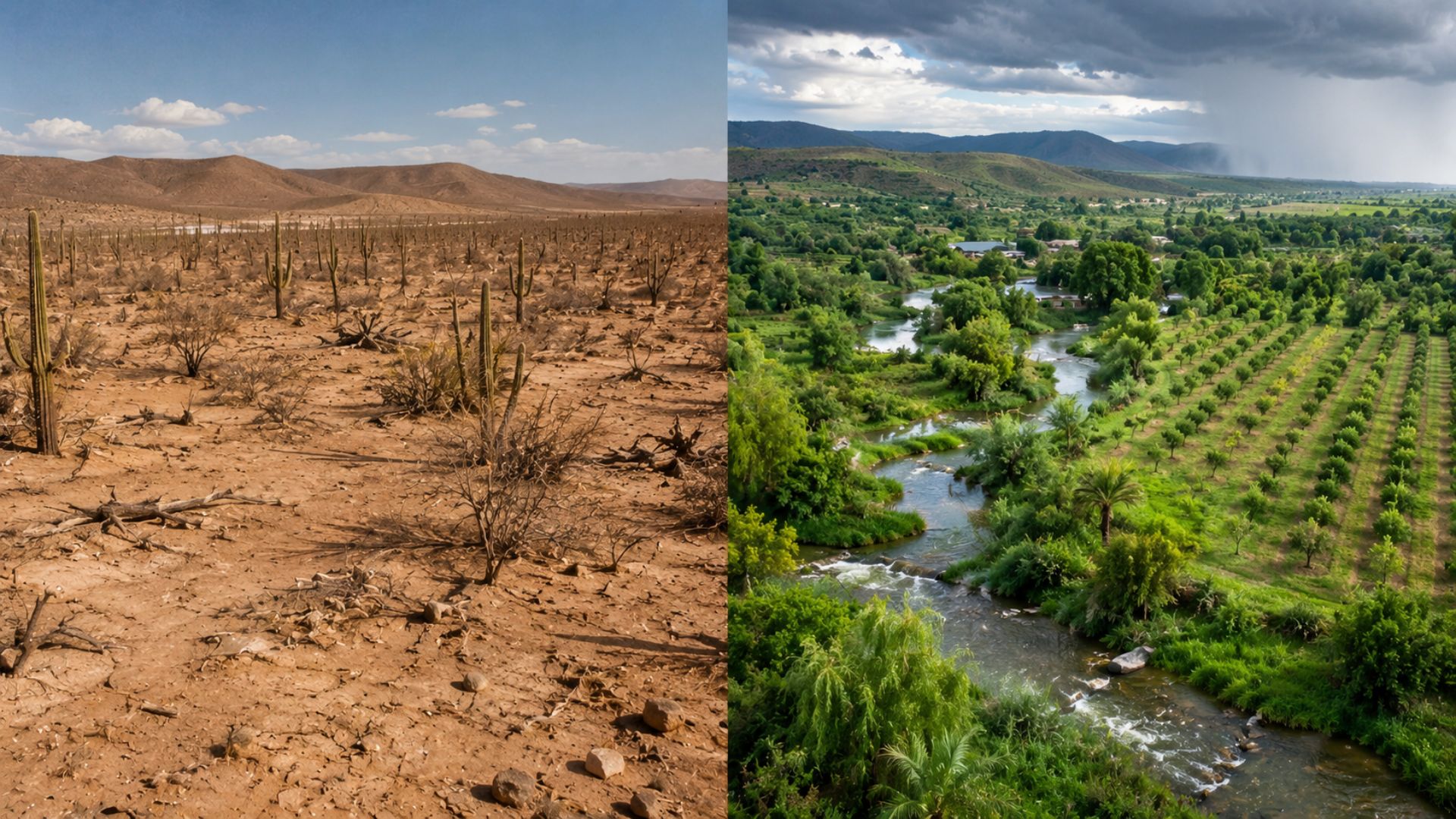
A farm in the Mexican desert has become so green that today it has rivers flowing year-round and even rain in the dry season, all thanks to a technique that transforms dead sand into fertile soil with manure, mountain microorganisms, and what farmers call the secret soil formula.
-
Stable fly infestation frightens producers in Costa Rica, disrupts cattle routine, reduces milk, and puts vinasse at the center of rural controversy.

-
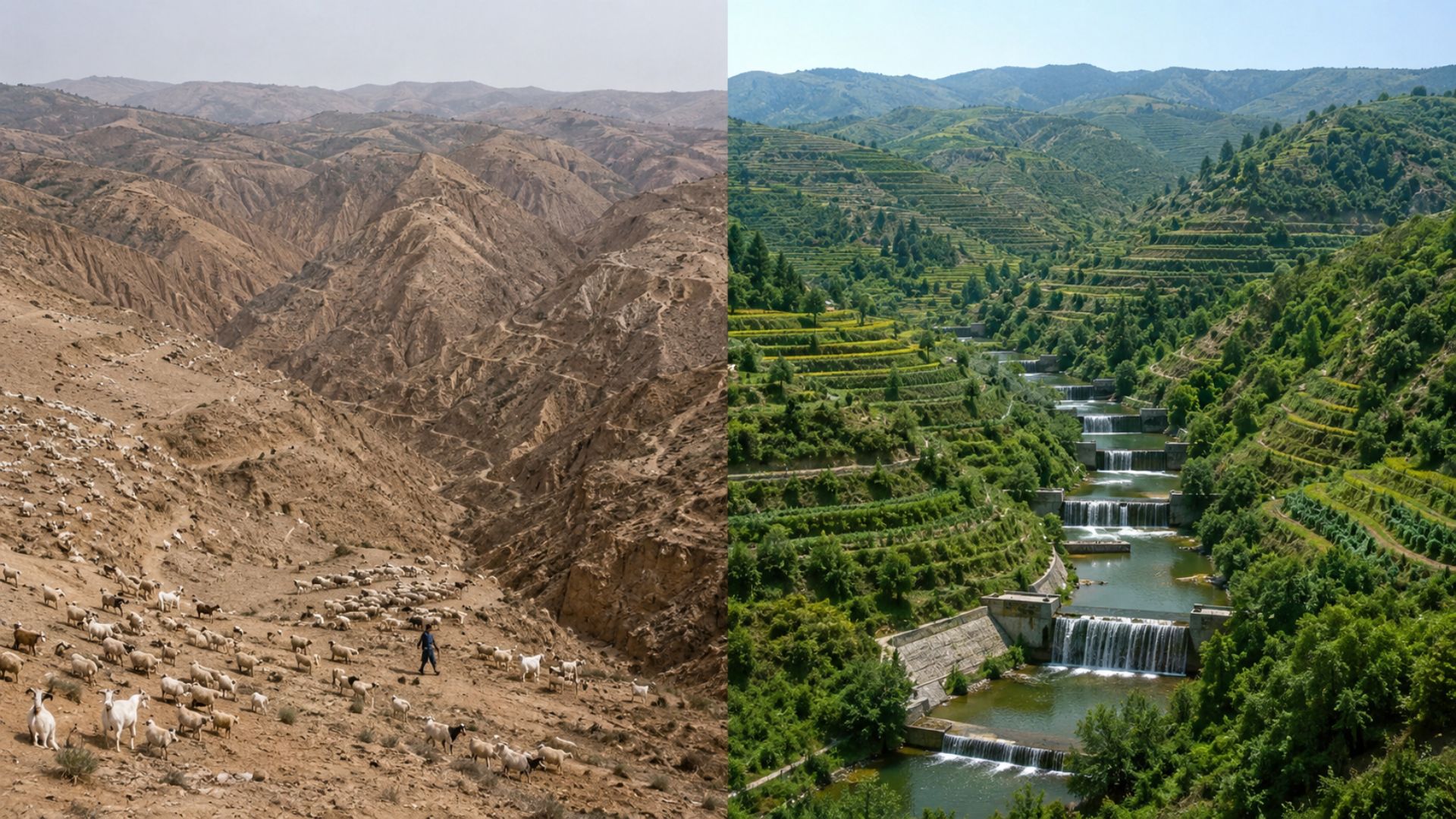
China banned free grazing of goats and sheep in parts of the most eroded plateau on the planet and, along with terraces and thousands of dams, managed to green slopes that were dumping 1.6 billion tons of soil per year into the Yellow River, in one of the largest environmental recoveries in history.

What Is Localized Micro-Sprinkling and How Does It Work in Practice
Localized micro-sprinkling is a low-flow pressurized irrigation system in which emitters distributed near the plants apply water directly to the root zone, forming a controlled wetting pattern around the roots.
Unlike conventional sprinkling, which sprays water in large volumes over wide areas, micro-sprinkling uses fine droplets, low pressure, and limited range, reducing losses due to evaporation and wind drift.
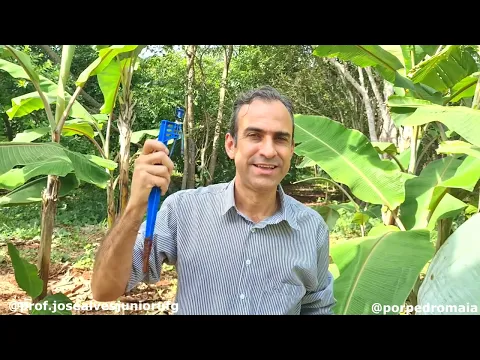

According to technical publications from Embrapa Irrigation and Drainage, the application rate of micro-sprinkling is carefully adjusted to allow water to infiltrate the soil gradually, avoiding surface runoff and waste. In citrus, mango, grape, apple, and guava orchards, the system allows the farmer to control exactly where and when water will be applied, which is unfeasible with traditional methods.
Why Does Micro-Sprinkling Consume Less Water Than Traditional Sprinklers
The water savings associated with localized micro-sprinkling do not happen by chance. They are a direct result of three main technical factors, extensively described in reports from FAO and in scientific articles published in journals such as Agricultural Water Management and Irrigation Science.
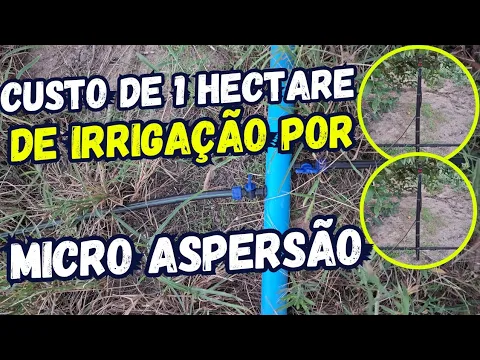
The first factor is the reduction of evaporation. Since water is applied close to the soil and roots, rather than being sprayed into the air, the fraction lost to the atmosphere is significantly lower. The second factor is the elimination of wind losses, which are very common with conventional sprinklers, especially in open and hot regions. The third factor is the precision in wetting, which avoids irrigating areas of the soil where there are no active roots.
Field studies conducted in citrus orchards in the interior of São Paulo and in irrigated fruit areas in the São Francisco Valley indicate average reductions of 20% to 30% in the total volume of water applied, while maintaining similar levels of productivity per hectare.
Proven Results in Brazilian Orchards
In Brazil, localized micro-sprinkling is widely used in irrigated fruit production areas. One of the most documented examples is in the São Francisco Valley, which includes municipalities such as Petrolina (PE) and Juazeiro (BA).
There, mango and grape producers have started adopting micro-sprinkling systems combined with evapotranspiration management, as reported in technical bulletins from Embrapa published since 2016.
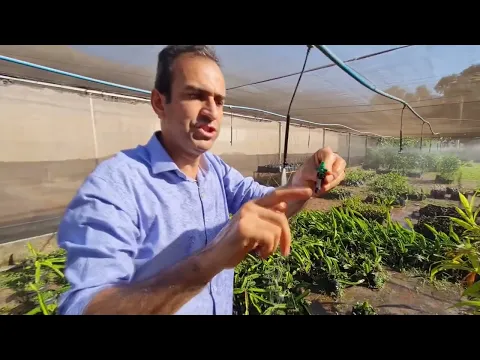
The results show that, in addition to water savings, there has been a greater uniformity in the development of plants, reduction of diseases associated with excess moisture in the canopy, and better efficiency in the use of fertilizers when the system is integrated with fertigation.
Similar cases have also been recorded in apple orchards in the South of Brazil, particularly in Santa Catarina, where micro-sprinkling has been used as an alternative to conventional sprinklers to reduce the impact of hotter and drier summers.
Micro-Sprinkling and Energy Efficiency in the Field
Another relevant point, often highlighted by FAO and by irrigation manuals from Embrapa, is the reduction in electricity consumption. Micro-sprinkling operates with significantly lower pressures than traditional sprinklers, which decreases the power required from pumps and pressurization systems.
In a scenario of constantly rising energy costs in rural areas, this characteristic has become crucial for many producers. Economic feasibility studies indicate that energy savings can vary between 10% and 25%, depending on the system sizing and the topography of the irrigated area.
Comparison with Other Localized Irrigation Systems
Although drip irrigation is often cited as the most efficient system in terms of water savings, micro-sprinkling occupies an important intermediate space. According to Embrapa, it is especially suitable for perennial crops with more extensive root systems, where point-source drip irrigation may not adequately wet the entire absorption zone.
In sandy soils or those with low water retention capacity, micro-sprinkling has advantages by better distributing moisture within the soil profile, reducing water stress on plants. For this reason, it is widely used in fruit production, while drip irrigation is more common in vegetables and row crops.
Technical Limitations and Necessary Care
Despite the advantages, localized micro-sprinkling requires adequate technical design and constant maintenance. Clogging of emitters can occur if water is not properly filtered, and incorrect management can result in excessive wetting in certain areas.
Embrapa Irrigation and Drainage recommends that the system be designed by agronomists or specialized technicians, considering factors such as soil type, crop, local climate, and water availability. Without this care, efficiency gains may be reduced.
Micro-Sprinkling as a Response to Growing Water Scarcity
Recent reports from FAO, published after 2020, indicate that agriculture accounts for about 70% of global freshwater consumption, making water efficiency a strategic priority. In this context, localized micro-sprinkling emerges as a practical and readily available solution, especially for regions facing recurring water scarcity but still dependent on irrigation to maintain food production.
In Brazil, the trend is for the adoption of the technology to continue to grow, driven by irrigation modernization programs, rural credit lines, and the need to adapt to an increasingly irregular climate.
Less Water, More Control, and Greater Resilience in the Field
Replacing conventional sprinklers with localized micro-sprinkling represents not just an equipment swap, but a structural change in how water is managed in the field. The available technical data, validated by institutions like Embrapa and FAO, show that the technology allows for up to 30% water savings, reduces energy costs, and increases orchard resilience in the face of water scarcity.
In a scenario of increasing pressure on natural resources, micro-sprinkling shifts from being merely a technical alternative to playing a central role in the sustainability of Brazilian irrigated agriculture.








Be the first to react!