






 Portuguese
  Spanish




In One Hectare With Only 4 to 6 Inches of Rain Per Year and Temperatures Close to 40 °C, John Graham Proved That Organic Farming Can Regenerate Extreme Soils and Produce Up to 80 Species Without Heavy Machinery
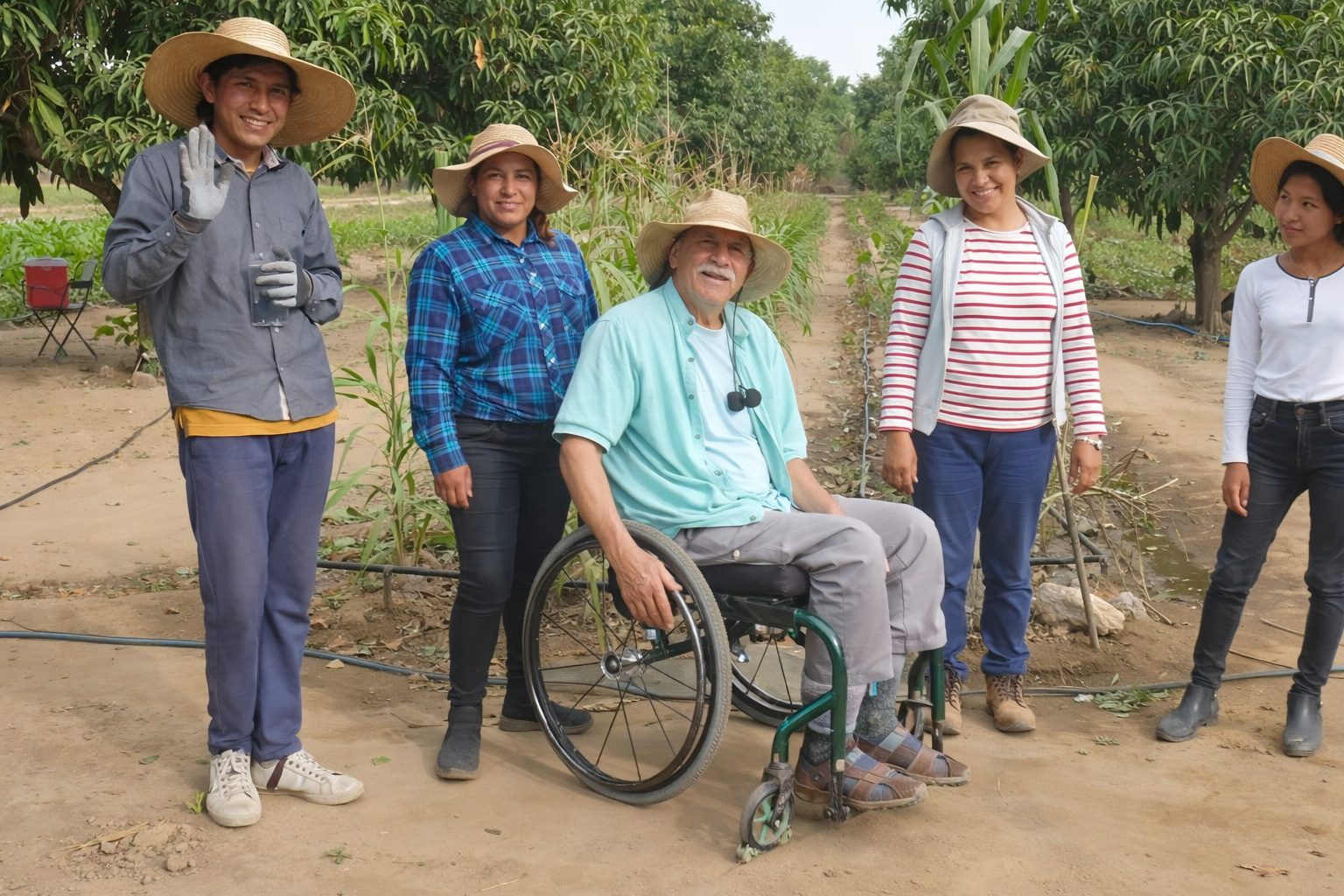
Transforming desert sand into a productive farm in just three months seems like science fiction. However, in Baja California, Mexico, this reality has a name and surname: John Graham. Even using a wheelchair for more than 25 years, the organic farmer managed to convert an arid land, battered by heat and drought, into a fertile property that today produces dozens of crops.
The information was disclosed by “O Antagonista,” which presented the producer’s journey and the technical details of the environmental transformation carried out in the Mexican desert. According to the publication, the project combines organic farming, deep soil management, and ecological strategies that challenge traditional limits of agricultural production in arid regions.
How a Desert With 4 to 6 Inches of Rain Turned Into a Productive Farm

On a piece of land approximately one hectare, subjected to only 4 to 6 inches of rain per year and temperatures approaching 40 °C, John Graham began a soil recovery process that many would consider impossible. Still, instead of relying on heavy machinery or pesticides, he decided to work in partnership with nature.
-
Green Roofs on Homes Gain Popularity for Reducing Heat, Noise, and Rain Impact in Brazil

-
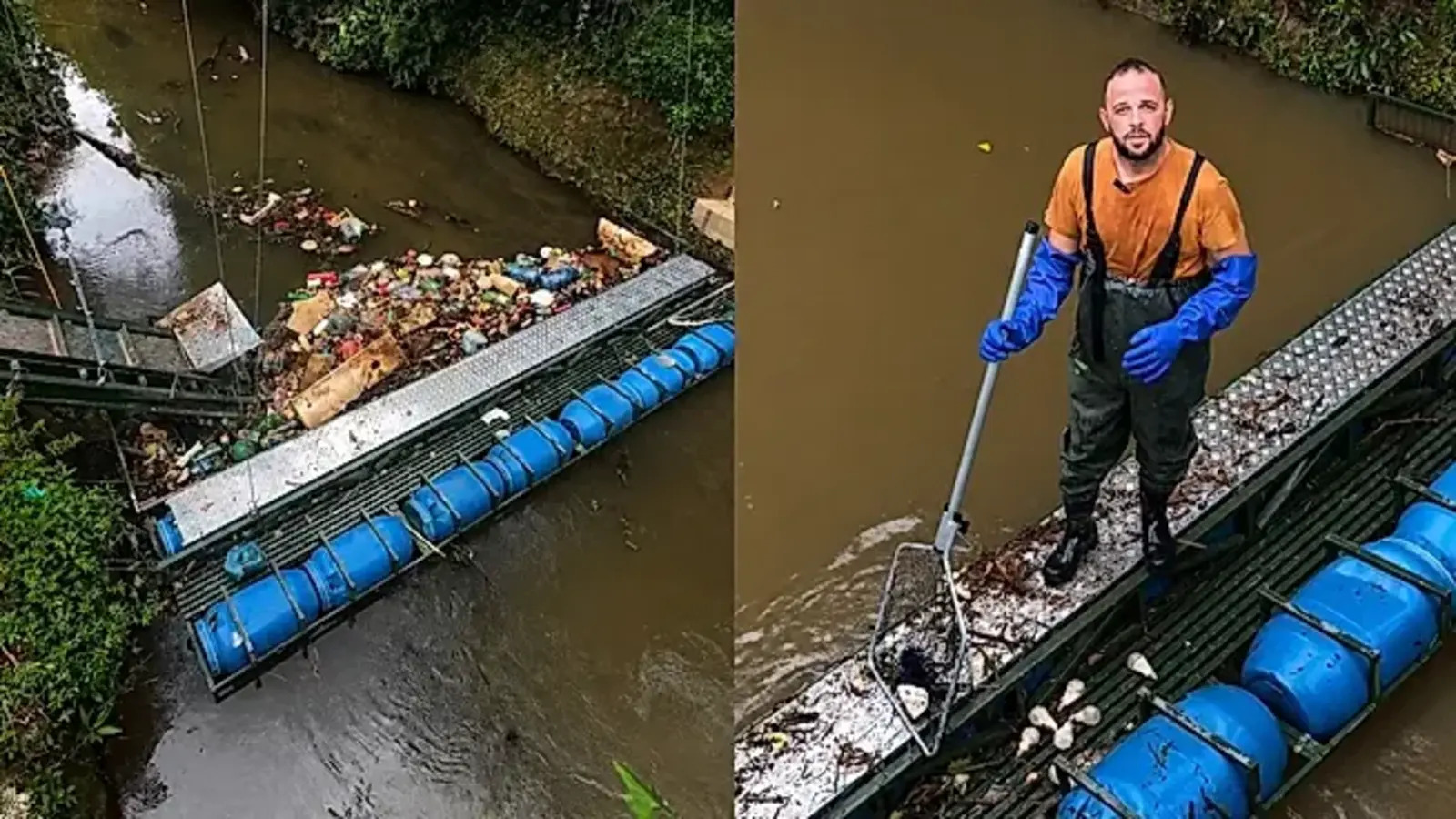
Brazilian promises his children to save a river, creates an eco-barrier in his backyard, has already removed more than 40 tons of trash from the water, and even inspires the idea in other states of the country.

-
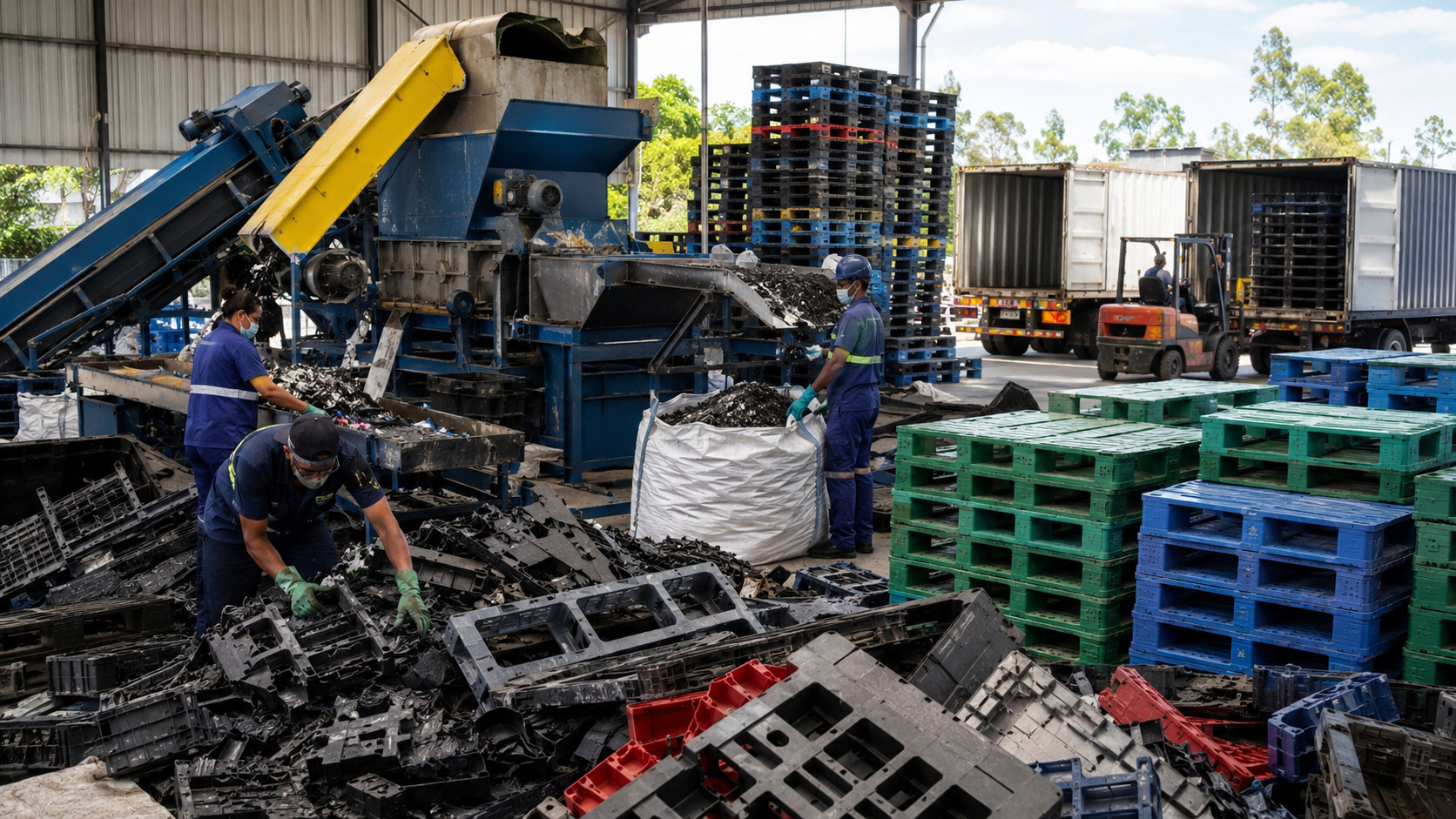
How a Brazilian company created a system that transforms broken pallets of any brand into new assets, recycles 80 tons of plastic per month, and found a profitable solution to a problem that challenges industries across the country.
-
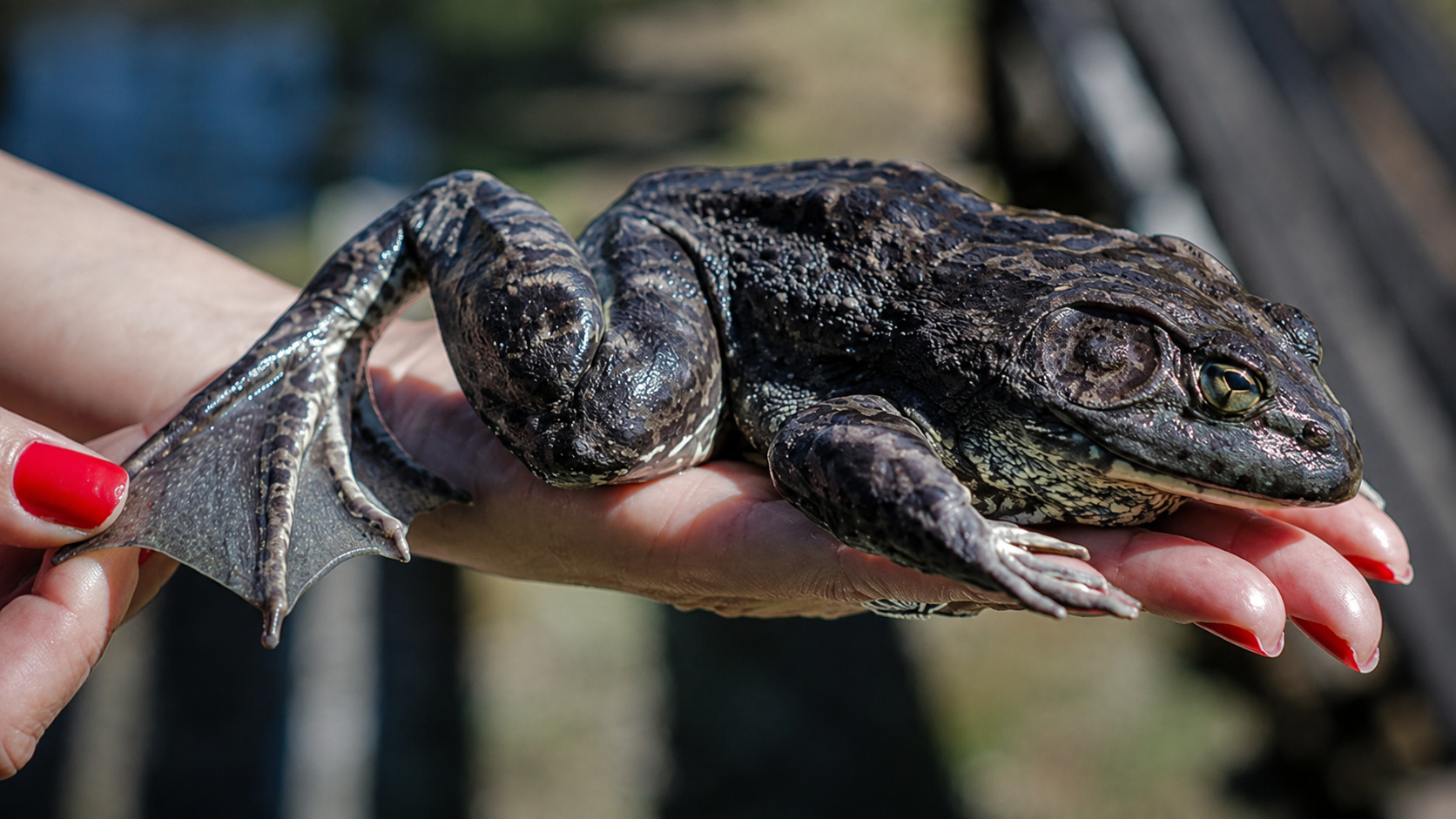
Invasive bullfrog capable of devouring other amphibians and laying up to 20,000 eggs is found in Florianópolis, raising an alert about the threat to native fauna.

First, he invested in deep soil management. Next, he structured the beds strategically to avoid compaction. As a result, in just three months, the property already had about 60 crops in production. Moreover, the goal set for winter is to reach 80 different species, further expanding local biodiversity.
The farm operates with a team of five people, and almost all of the work is done manually. Consequently, operational costs remain controlled while the environmental impact stays minimized. Today, the production supplies the local market with vegetables, greens, and herbs grown without chemicals.
Who Is John Graham and How He Overcame Physical Limits to Lead Organic Farming
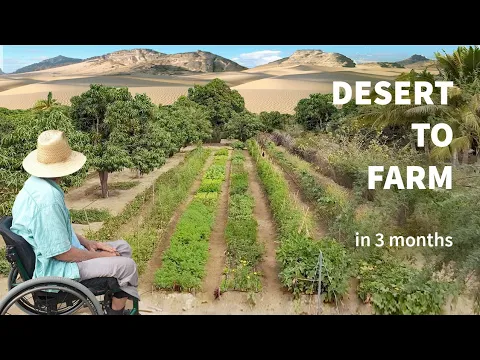

John Graham is among the pioneers of the organic food movement in North America. Over the years, he has influenced supply chains in various countries and trained students and gardeners interested in restoring degraded soils and increasing biodiversity.
After a car accident, he started using a wheelchair. However, instead of halting his journey, he adapted his home and property with ramps and accessible paths. His residence even serves as the operational center of the farm. There are installed the seed bank, the seedling nursery, and the preparation area.
This way, the project not only demonstrates technical viability but also reinforces that physical limitations do not hinder agricultural innovation. On the contrary, practical experience has further strengthened his organic production method.
The Deep Beds Method That Regenerates the Soil Up to 60 Centimeters
The heart of the production system lies in the so-called “deep beds.” Inspired by Alan Chadwick and intensive biodynamic French gardening, John avoids conventional plowing of the soil. Instead, he digs the beds to approximately 60 centimeters deep every two or three years.
Moreover, these beds are never walked on. Thus, the soil maintains its structure and preserves microbial life. To carry out the work, he uses simple tools, such as a shovel, garden fork, and a broadfork modified with machete blades.
This tool loosens the soil in depth without inverting the layers. Consequently, it improves aeration, increases water infiltration, and allows roots to expand more easily. At the same time, microorganisms remain active, strengthening the underground ecosystem.
How to Grow Up to 20 Species in a Single 50-Meter Bed

Another difference is in the diversity. Instead of monoculture, John grows up to 20 different species in a 50-meter bed. This strategy drastically reduces the risk of widespread pest attacks.
In addition, diversity favors beneficial insects and stabilizes the system throughout the year. Pest control occurs through daily observation and simple organic techniques.
Among the strategies used, the highlights are:
Direct Defense: application of Pyrethrum, Neem, and Soap, eliminating hotspots without synthetic residues.
Companion Planting: use of yellow and aromatic flowers for natural repulsion.
Active Management: removal and replacement of affected plants to interrupt infestation cycles.
Eco-System: introduction of beneficial insects like ladybugs and wasps for natural predators.
In 2026, as the project itself emphasizes, it is understood that a garden with “zero insects” is a dead garden. Therefore, the aim is not to eliminate insects completely but to balance populations to maintain the health of the system.
Amazonian Black Soil and Biochar: The Science Behind Fertility in the Desert
To make the sand fertile, John combines composting with the concept of Amazonian black soil. He uses biochar, a ground charcoal inoculated with microorganisms.
In sandy soils, organic compost increases organic matter, improves water retention, and gradually releases nutrients. At the same time, biochar, highly porous, stores water and nutrients for many years.
The ashes from the charcoal also serve as a mineral source and a dry barrier against ants. Thus, the system builds long-term fertility.
More than a farm, the project questions the true environmental and social cost of “cheap” food produced by conventional agriculture. After all, by demonstrating that it is possible to produce nutritious food in extreme conditions, John Graham presents a replicable model of regenerative organic farming.
Do you believe that this model of organic farming could transform dry regions of Brazil as well?









Com certeza, as pessoas precisam investir em trabalhos como esse pra ter alimentação mais saudável ,com baixo custo de produção e qualidade alta ,incluindo uma melhor qualidade de vida em todos os sentidos. Inclusão, natureza plena com trabalho manual é o melhor método apesar de tantas tecnologias e facilidades, nada substitui a mão de obra humana com dedicação e amor à terra.
Sim, é fantástico! E levar isso para outros lugares como no Chaco da Argentina, onde a comunidade Qom está morrendo de fome