






 Portuguese
  Spanish


Brazilian Agriculture Reaches 400 Markets Opened in 2.5 Years and Positions the Country as a Global Leader in Food, Fibers, and Energy.
The Brazilian agriculture has reached an unprecedented milestone that reinforces its position as a key player in international trade. In just 2.5 years, the country has opened 400 markets for its products, a result of negotiations and diversification policies led by the government in conjunction with the private sector. This achievement consolidates Brazil as a global leader in the supply of food, fibers, and energy, combining health, sustainability, and competitiveness.
400 Markets Opened and the Strategic Role of Agriculture
Between 2019 and 2022, 241 markets were opened for products from the agriculture. The leap to 400 accesses in just two and a half years demonstrates the strength of the diplomatic and technical work carried out by the Ministry of Agriculture (Mapa), Ministry of Foreign Affairs (MRE), Ministry of Industry, Trade and Services (MDIC), and ApexBrasil.
Since 2023, in addition to securing new destinations, Brazil has also increased its participation in about 200 existing markets, reinforcing international predictability and confidence in the Brazilian agriculture.
-
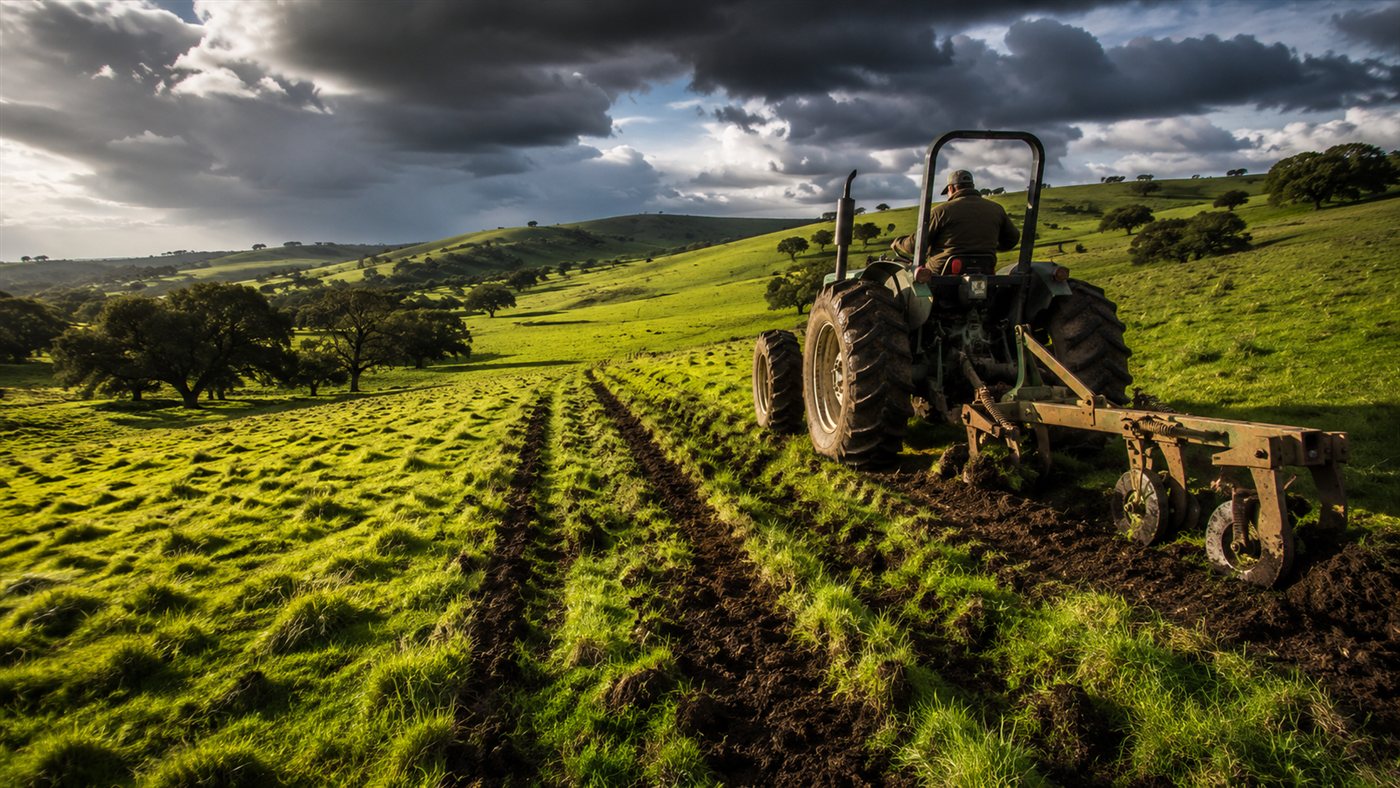
Regenerative Farmers Use Keyline Plow to Improve Pasture Hydration, Storing 1 Gallon of Water Every 30 Centimeters

-
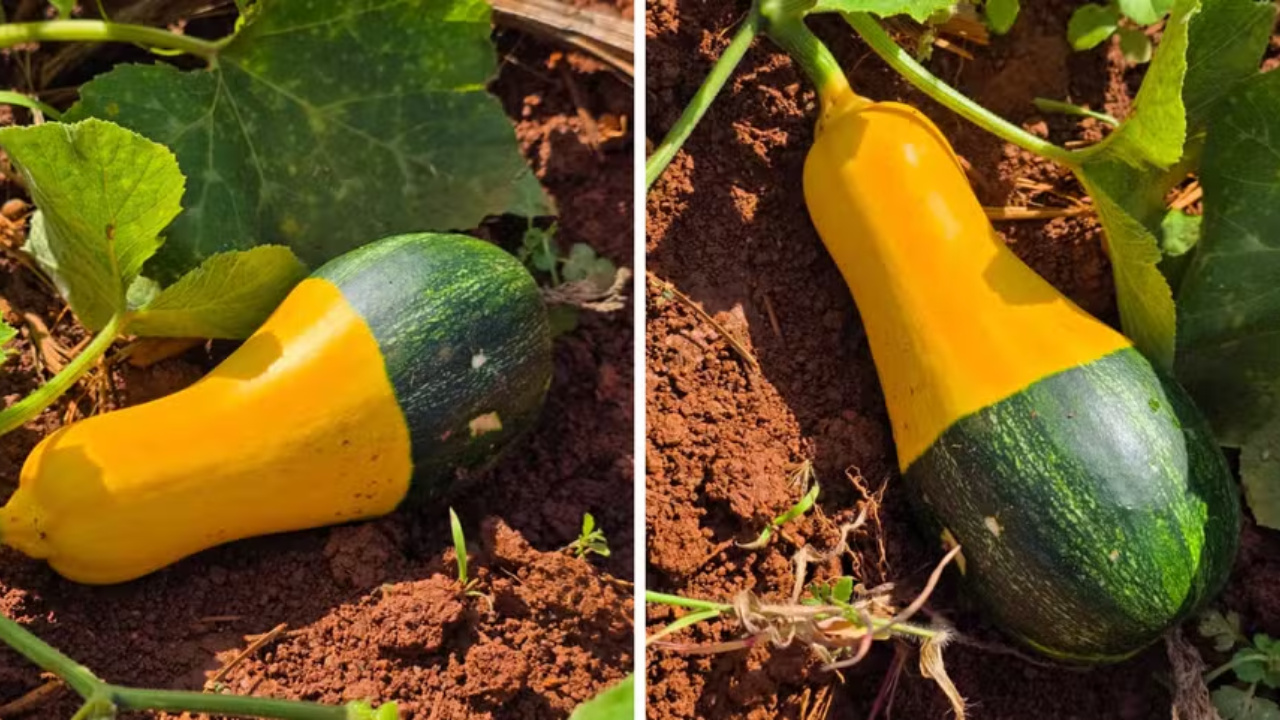
Bicolor Pumpkin Resembling Hand-Painted Art Discovered by Brazilian Researchers in the Capital Due to “Spontaneous Mutation”

-
In China, a 26-story building produces 1.2 million pigs annually, revolutionizing livestock farming with tube feeding and AI surveillance.
-
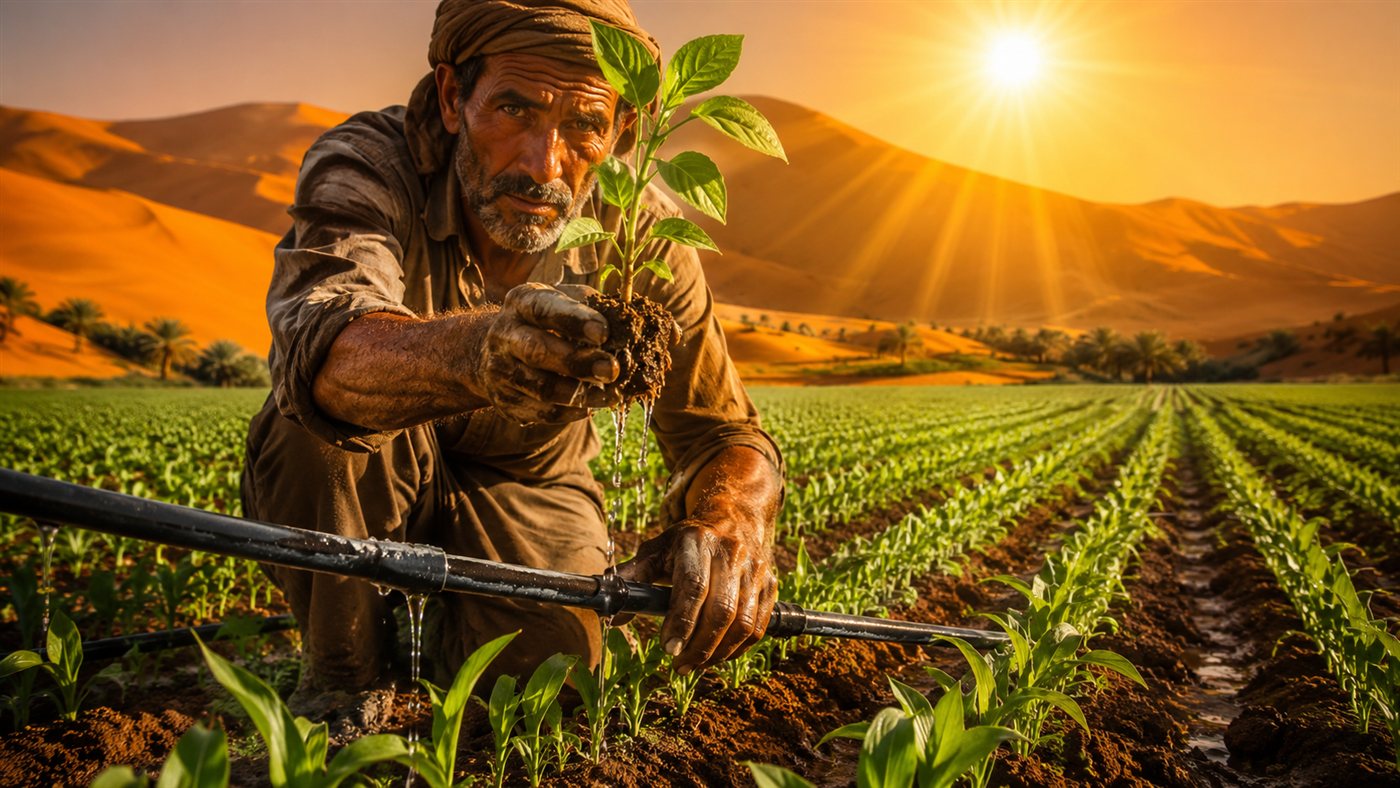
With Nearly 60% Desert, Israel Desalinates Seawater and Recycles 90% of Wastewater to Build a Billion-Dollar Agricultural Powerhouse in Dates and Cotton

According to Minister Carlos Fávaro, “every new market opened or expanded is a victory for the Brazilian producer. It’s not just about business, but about showing the world the quality, commitment, and dedication of those who make Brazil’s agriculture happen.”
Food Exports Grow with Emerging Niches
The recent progress is not limited to traditional commodities. Products such as sorghum, sesame, Hass avocado, and poultry flour have already secured new destinations. In 2024 alone, Brazil exported US$ 142.63 million in sesame to China, US$ 17 million in poultry flour to Indonesia, and consolidated beef sales to demanding markets like Mexico and Vietnam.
This diversification increased exports of less traditional goods by 21% for the year, reinforcing the sector’s adaptability.
More than 80 markets were opened for animal proteins, 30 for the animal recycling sector, and 20 for Brazilian fruits, confirming the versatility of national production.
In the first half of 2025, agriculture exports totaled US$ 82.8 billion, maintaining the same level as 2024 and showing a clear trend of expansion in higher value-added products.
Brazil as a Global Power in Food Exports
The opening of new markets is considered a strategic achievement to consolidate the country as one of the largest food suppliers in the world.
The Brazilian agriculture ensures not only volume but also quality and sustainability, factors that amplify international confidence. With the support of 40 agricultural attaches in 38 countries, Brazil has strengthened its trade diplomacy, increasing the number of representatives abroad by 38% in just one year.
According to Luís Rua, Secretary of Commerce and International Relations of Mapa, “these accesses are the result of a construction that combines negotiation and technical aspects. Often, it’s a silent work, but it opens paths, reduces risks, and increases predictability for those who produce in Brazil.”
Intelligence Tools and International Presence
Mapa has been present in 110 international missions since 2023 and launched tools like AgroInsight and Agro Passport, created to enhance market intelligence and guide the actions of Brazilian exporters. These initiatives strengthen the sector’s ability to identify opportunities, anticipate trends, and ensure competitive presence in strategic markets.
Food, Fibers, and Energy Exports: Projected Leadership
The large volume of 400 markets opened in such a short time shows that Brazil goes beyond being a traditional commodity supplier: the country positions itself as a reliable partner in the transition to sustainable food and energy systems.
By uniting innovation, quality, and geographical expansion, Brazilian agriculture consolidates itself as a driving force of the national economy and a key piece for global food security.
And you, do you believe that the pace of expansion of Brazilian agriculture will ensure the country absolute leadership in food exports in the coming years, surpassing historical competitors in the global market?


E o agro continua chamando de mito o inelegível. Vai entender.
Agro nao abre mercado! Quem abre é governo, NO CASO, LULA, GOVERNO LULA! Estes novos mercados tem LULA!
É importante diferenciar aberturas de novos mercados com abertura de novos segmentos de mercados para não haver interpretações erradas, se você já exporta para um determinado país ( lembrando que temos 192 países no globo terrestre) então isso significa que neste caso será novos segmentos de mercado.