






 Portuguese
  Spanish
  5 min of reading
  0 comments


Solar-Powered Robots, Advanced Genomics, and Artificial Intelligence Drive Solutions in the Brazilian Field, Reducing Chemical Use and Helping Farmers Face the Challenges Imposed by Climate Change and Resource Scarcity.
Solar-powered robots that identify weeds plant by plant, bioinputs capable of regenerating soil, and platforms that anticipate extreme events are already part of the daily routine in Brazil’s fields.
The advancement, reported in a feature by UOL and led by agtechs and research centers, positions the country as a food producer while also serving as an ally in confronting the climate crisis by reducing chemical inputs and emissions.
A global reference in agricultural productivity, Brazil consolidates an innovation hub that integrates software, biotechnology, artificial intelligence, automation, and robotics.
-
Low-Demand Brazilian Beef Offal Gains Popularity Abroad: Indonesia Purchases $19.5 Million, Boosting Revenue and Reducing Waste

-
Soy Expansion in Former Brazilian Savanna Sparks Water and Land Conflicts in Major Agricultural Frontier
-
Mexican Pest Threatens U.S. Cattle Herds at Historic Lows, Potentially Boosting Brazilian Beef Exports as Burger Prices Soar

-
Avocado Boom for European and U.S. Markets Fuels Water Crisis in Drought-Stricken Chilean Region


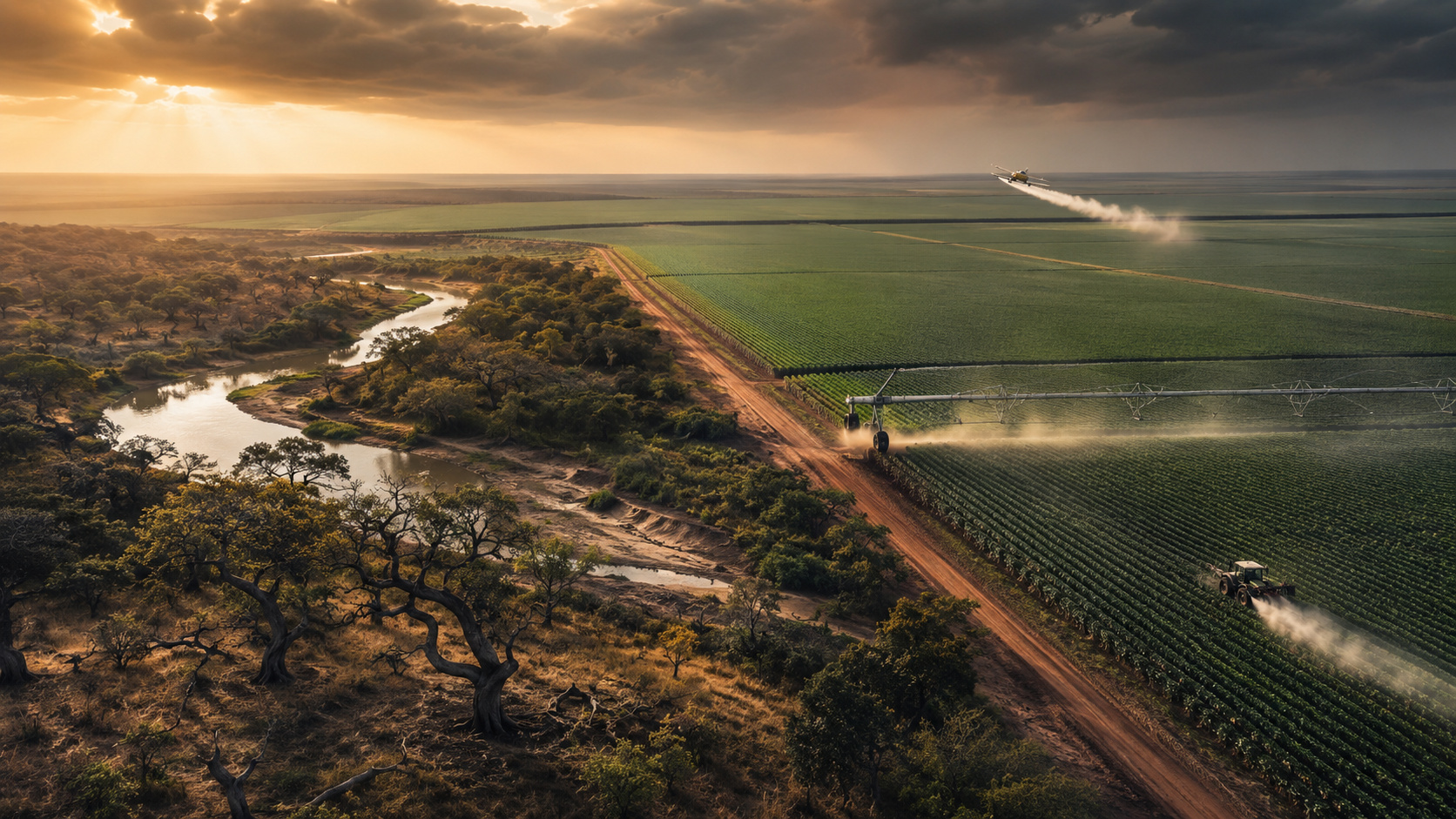


The Radar Agtech Brazil 2024, developed by Embrapa, Homo Ludens, and SP Ventures, accounts for 1,972 agtechs operating in the country. In 2019, there were 1,125.
The substantial growth over five years helps explain the variety of solutions reaching farms.
According to Philippe Figueiredo, an innovation analyst at Sebrae, companies in the sector focus on four fronts.
The first aims at productive efficiency, using sensors, drones, AI, and data analysis to calibrate input use and increase yields.
Another line prioritizes sustainability, encouraging the rational use of water, biological pest control, and the recovery of degraded areas.
There is also traceability and certification, which open doors to more demanding markets.
Finally, climate adaptation solutions, designed to mitigate impacts from droughts, floods, and other weather events, are gaining traction.
The ecosystem thrives on local science and entrepreneurship.
“The competence of Brazilian agriculture is a result of the entrepreneurial spirit of its producers and the indigenous science developed by Brazilian research institutes and universities,” says Sergio Marcus Barbosa, executive manager at ESALQTec.
For Figueiredo, the country positions itself as a “laboratory” for sustainable technologies, with a focus on regenerative agriculture, ILPF (Integration of Crop-Livestock-Forest), precision agriculture, satellite monitoring, efficient irrigation, and forestry with native species.
Piracicaba and the “Caipira Silicon Valley”
Since the 1990s, Piracicaba (SP) has become a meeting point between research and business in agriculture.
Esalq/USP created an incubator in 1994 that, starting in 2006, began hosting startups and small technology-based companies. Today, ESALQTec supports 121 companies, with eight residents and 113 associates.
The municipality also has a Technological Park that offers tax incentives and encourages cooperation between more mature companies and newcomers, which has consolidated its image as the “Caipira Silicon Valley.”
Solar Robots and Reduced Chemical Use
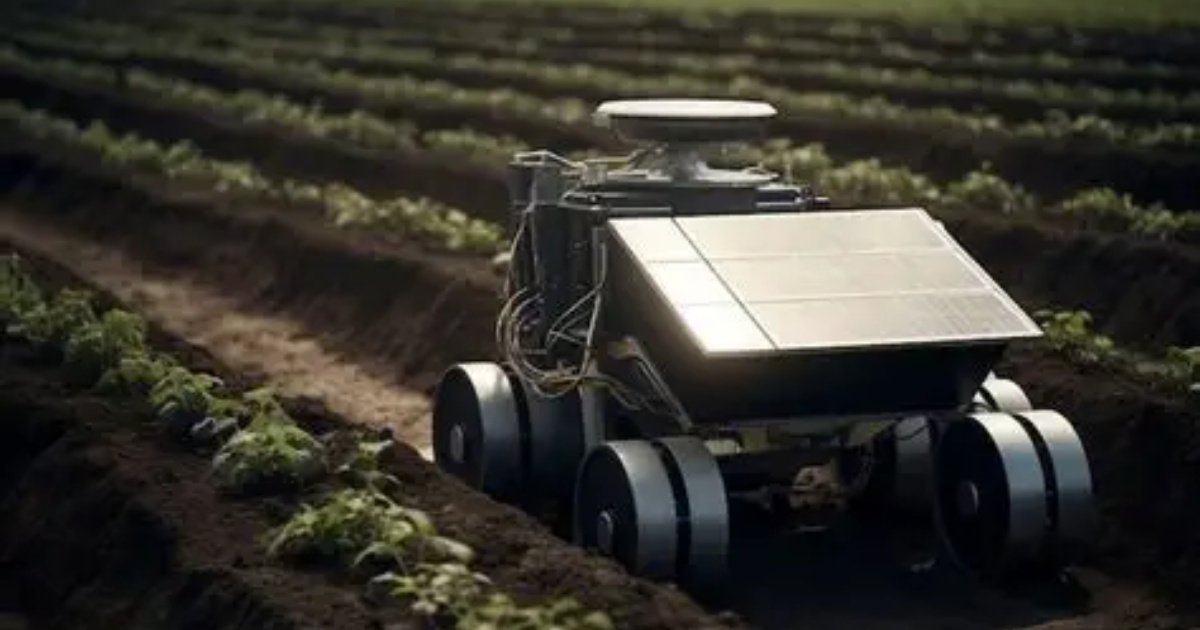
Cutting-edge innovation emerges in Araçatuba (SP), where Solinftec developed autonomous robots for fine monitoring of crops and localized application of inputs.
The Solix operates on 100% solar energy and, according to the company’s results, has reduced herbicide use by up to 90% in crops such as soybeans, corn, and sugarcane.
“With less chemical application, we can preserve soil fertility and reduce the risk of contaminating rivers and springs,” says Bruno Pavão, head of robotics operations.
By eliminating fossil fuels, the equipment reduces the carbon footprint and increases autonomy in the fields, preserving beneficial organisms such as pollinators and natural enemies of pests.
Genomics for Drought and Heat Resilience
Founded in 2022, InEdita Bio invests in proprietary genomic editing platforms to reduce the use of pesticides and increase plant resistance to pests and extreme climatic conditions.
The first edited cultivars show tolerance to drought and heat, with improvements in root systems and interactions with beneficial microorganisms.
For the CEO, Paulo Arruda, productivity losses due to diseases and pests remain high worldwide, and the intensification of climatic events makes it urgent to disseminate lasting solutions.
The research also aims to enhance photosynthetic efficiency, carbon sequestration, and association with nitrogen-fixing bacteria.
Bioinputs and Soil Recovery
Founded in 2021, Symbiomics structures microbial consortia — combinations of microorganisms that work in synergy — to nourish plants, control pests, and regenerate soil.
The selection of the best combinations for each agricultural environment is accelerated by artificial intelligence and machine learning, which analyze performance under different conditions.
“In degraded soils, bioinputs can restore essential ecological functions, creating a more conducive environment for the development of beneficial microbial communities and productivity,” explains Jader Armanhi, co-founder.
Data to Predict Extremes and Guide Decisions
Agrosmart, founded in 2014, combines on-field sensors, satellite images, and hyper-local climate data to guide irrigation, planting, harvesting, and pesticide use.
The goal is to reduce water, energy, and input consumption, as well as to anticipate harvest risks to minimize losses.
“We started with the mission of empowering the producer with real-time information to produce more efficiently, sustainably, and resiliently,” says Mariana Vasconcelos, founder.
Connectivity and Adoption Challenges
Despite the technological dynamism, infrastructure limits scalability.
Almost 70% of rural properties in Brazil still lack adequate connectivity, according to the Ministry of Agriculture and the ConectarAGRO Association, which restricts the use of modern machines and digital platforms in the countryside.
The barrier is greater among small producers, who face implementation costs, lack of technical assistance, and uncertainty about return on investment.
Sebrae, according to Philippe Figueiredo, has directed training programs and accessible solutions to enhance digital and operational inclusion.
In addition to internet coverage, access to credit and tax incentive policies can accelerate the transition.
For Sergio Marcus Barbosa, measures such as tax reductions for sustainable products and incentives for specific financial lines for those adopting low-impact technologies would enhance environmental and economic outcomes.
The integration between traditional agriculture and the agtech universe, he evaluates, is likely to grow as success stories multiply and the gains in efficiency and traceability become more visible.
An Open-Air Laboratory for the Future of Agriculture
By bringing together clean energy robotics, genomic solutions, bioinputs, and climate data analysis, the Brazilian field tests technologies on a real scale that seek to maintain productivity with lower environmental impact.
The set of initiatives ranges from reducing herbicide use and protecting pollinators to regenerating soils and adapting to climatic extremes, in a scenario where the predictability of rainfall and temperatures becomes increasingly rare.
In this context, the ability to innovate at competitive costs, combined with national scientific research, positions Brazil strategically to develop exportable solutions to other regions vulnerable to climate change.
The challenge is to transform islands of excellence into market standards, shortening the time between the laboratory, the startup, and mass adoption on farms.





Be the first to react!