






 Portuguese
  Spanish




Governor Eduardo Leite Highlighted the Strength of Agriculture in Rio Grande do Sul at an Event That Brought Together Producers, Leaders, and Experts to Discuss the Future of the Sector, Investments in Irrigation, Soil Recovery, and Competitiveness. More Than 70% of the State’s Exports Come from Agriculture, Which Generates Jobs and Income
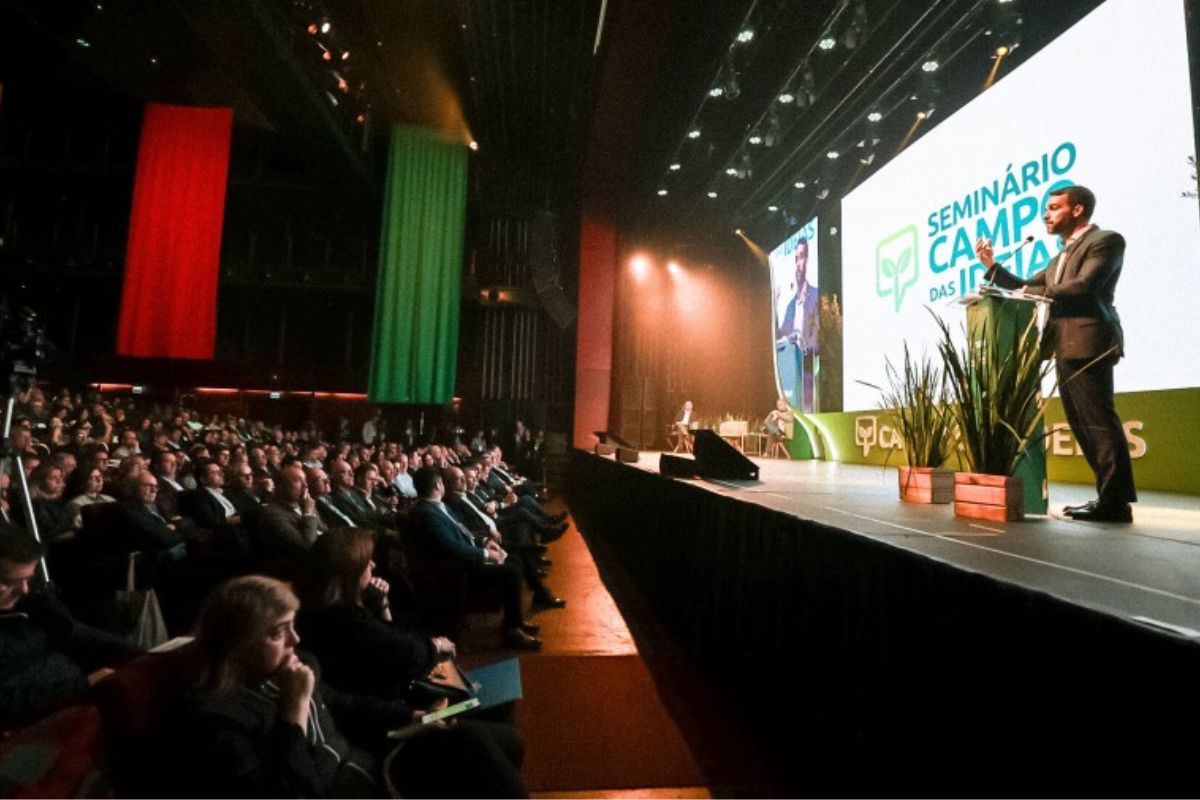
The agriculture sector in Rio Grande do Sul was the main topic at the opening of the Campo das Ideias Seminar, held in Porto Alegre.
The event, held on September 11, was organized by Senar-RS in partnership with Farsul and brought together producers, researchers, specialists, and sector leaders.
According to a news article published, the meeting was marked by the presence of Governor Eduardo Leite, who reinforced the importance of agricultural and livestock production for the economy of Rio Grande do Sul.
-
India’s Sugar Export Cuts and Ethanol Shift Amid El Niño Threat Could Impact Global Prices and Stocks

-
Quarantine Pest Threatening Palm Trees Puts Brazilian Authorities on Alert, Prompts Monitoring at University of Taubaté and Potential Control Measures Across São Paulo
-
Global Alert: Report Finds 159 Pesticides in Coffee Beans Sold in Europe, Posing Serious Risks to Millions of Farm Workers
-
Green Roofs on Homes Gain Popularity for Reducing Heat, Noise, and Rain Impact in Brazil



According to him, more than 70% of the State’s exports come directly from the field, which shows the strength of the sector in generating jobs, income, and food.
During the ceremony, the governor announced investments of R$ 1.4 billion across various fronts. These funds were allocated for modernizing irrigation, water security, soil recovery, and supporting family farming.
The goal is to provide better conditions for the sector to remain competitive in the face of climate challenges and market demands. Leite’s remarks also emphasized that dialogue with producers and institutions is essential for the field to continue innovating and growing.
In addition, the president of Farsul, Gedeão Pereira, highlighted Brazil’s position in the global scenario. He noted that the country ranks as the third-largest agricultural producer in the world and is the largest exporter of food.
For him, the great challenge is to maintain this prominence without letting ideological disputes hinder the production process.
Innovation and Exports Strengthening Agriculture in Rio Grande do Sul
The agriculture sector in Rio Grande do Sul is directly linked to innovation and international trade. During the event, figures highlighted this importance.
Only at the Jaguari and Taquarembó dams, R$ 327 million were invested, crucial for providing more water security to the State.
In the irrigation sector, another R$ 65 million were invested, benefiting 1,400 producers and ensuring greater efficiency across more than 25,000 hectares of crops.
These actions have a direct impact on the competitiveness of Rio Grande do Sul’s exports. With more structure, producers can ensure volume, quality, and regularity in supplying food for Brazil and the world.
This solid foundation explains why Rio Grande do Sul is currently one of the largest exporting hubs in the country, sustaining a job chain that goes from the fields to urban centers.
The strengthening of the sector also involves programs that support corn production within the State.
The Terra Forte Operation, for example, received R$ 300 million to recover soils and expand cultivation.
This investment reduces the dependence on purchasing grains from other States and countries, strengthening Rio Grande do Sul’s autonomy and ensuring greater competitiveness in the global market.
Sustainability and Family Farming in Focus
The agriculture sector in Rio Grande do Sul is not only linked to large-scale production. During the Campo das Ideias Seminar, Eduardo Leite reinforced direct support for family farming, which receives part of the R$ 1.4 billion in announced investments.
This support is strategic to provide production conditions, improve family income, and ensure diverse food in the domestic market.
Another point addressed was soil sustainability and facing climate change. The R$ 300 million investment in recovering productive areas is a way to guarantee more resilience and prepare the State for future challenges.
This shows that the sector needs to pay attention not only to the present but also to the future of agricultural production.
The governor’s remarks made it clear that, to maintain competitiveness, the State needs to unite technology, planning, and public policies.
This set of elements ensures that both large producers and family farmers have the space and conditions to continue producing sustainably.
Dialogue and Reflection at the Campo das Ideias Seminar
The agriculture sector in Rio Grande do Sul is also strengthened by dialogue among the various actors in the production chain. It was in this spirit that the Campo das Ideias Seminar gathered nearly a thousand participants, including producers, students, technicians, and experts.
The governor emphasized that meetings like this are essential for identifying challenges and building collective solutions for the future of the sector.
At the opening, the superintendent of Senar-RS, Eduardo Condorelli, highlighted that innovation and collective reflection are important paths for facing challenges.
He noted that thinking differently is necessary both in production and in rural business management.
The event was designed to encourage this debate, preventing political polarization from hindering economic development.
Throughout the day, the audience attended panels and lectures from national and international specialists. The goal was to promote the exchange of experiences and the creation of strategies that help the agricultural sector in Rio Grande do Sul secure income, competitiveness, and new opportunities.
The Campo das Ideias has established itself as a space for inspiration, bringing together people interested in transforming the sector based on knowledge and cooperation.







