Portuguese
  Spanish


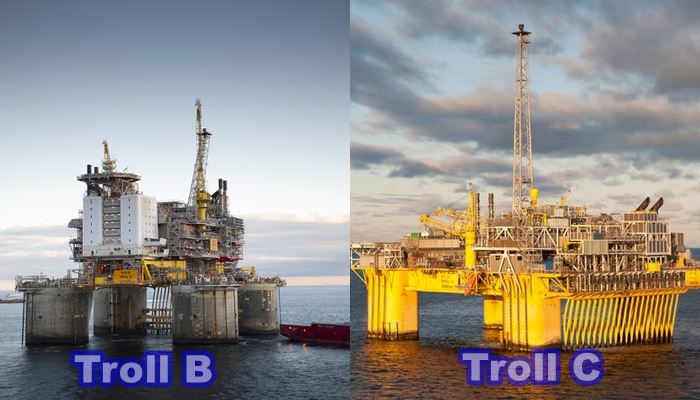

Aker Solutions Secured A Front-End Engineering Design (FEED) Study From Equinor To Enable Electrification Of The Troll B And C Platforms
The contract between Aker Solutions and Equinor includes an option for engineering, procurement, construction, and installation (EPCI) work following the completion of the study, the Norwegian companies informed the press on Wednesday (15).
Read Also
The study will describe how the installation of electrical equipment on Troll B and C, as well as the replacement of the gas turbine with electric compressors on Troll C, can be carried out. This will enable Equinor’s goal to provide electricity to Troll B and C through power cables from Kollsnes in the Bergen area on the west coast of Norway. The transition to onshore power could reduce CO2 emissions from Troll B and C by about 450,000 tons per year.
“We are very pleased to have secured a major electrification project for an existing offshore production facility on the Continental Shelf of Norway,” said Luis Araujo, CEO of Aker Solutions. “Our ambition is to generate 25% of our revenue from low-carbon solutions, such as electrification, by 2030. The electrification of Troll B and C is a great example of how we are executing our strategy and helping operators significantly reduce emissions.”
-
It’s official: Petrobras takes 75% of block 3 in São Tomé and Príncipe and debuts as an offshore operator outside South America.

-
With a record production of nearly 3 million barrels per day, Petrobras resumes importing diesel in July, highlighting the bottleneck in Brazilian refining.
-
Qantas and Airbus Invest in Company Aiming to Convert Unsorted Household Trash into Jet Fuel

-
Brazil’s ANP Opens 86 New Oil Blocks in the Equatorial Margin, Expanding the Amazon River Mouth Frontier



The FEED study for Troll B and C is expected to be delivered in the second half of 2020.
The Troll field is located about 65 kilometers from the Bergen area on the west coast of Norway. The field has been in operation since 1995 and accounts for about 40% of the total gas reserves on the Continental Shelf of Norway.