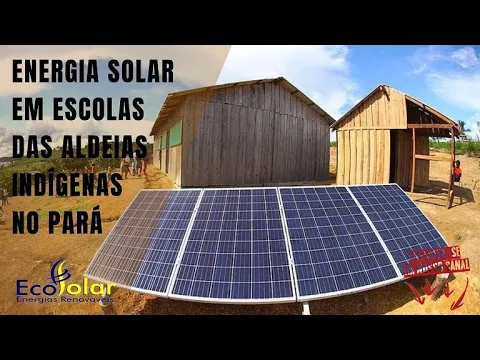
Portuguese
  Spanish


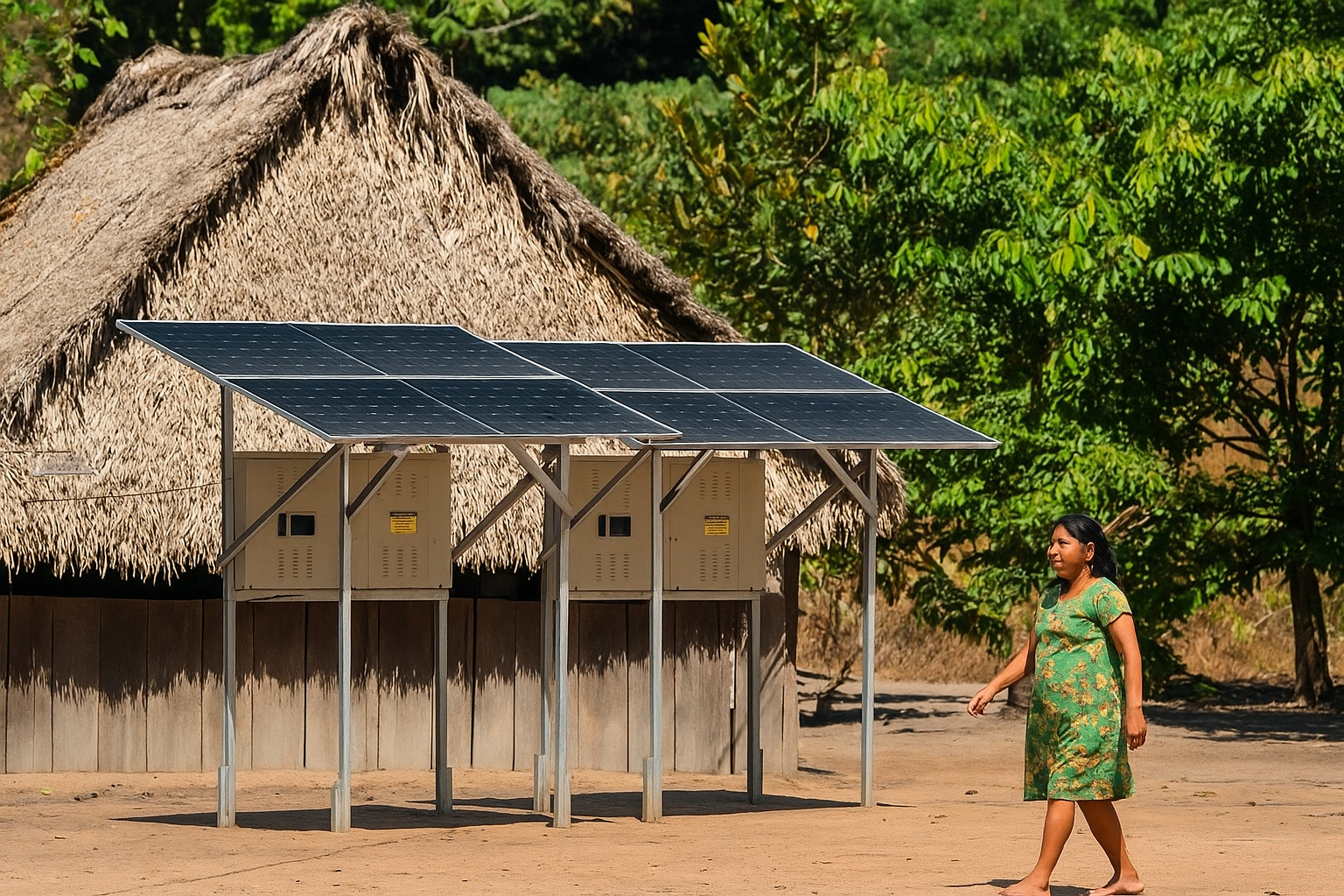

Discover How Solar Energy with Batteries Transforms Villages in Pará, Offering Autonomy, Education, and Environmental Protection.
In the heart of the Amazon, many indigenous communities have always faced challenges in accessing electricity. Historically, isolated villages relied on limited energy sources, such as diesel generators or kerosene lighting, which, besides being polluting, restricted social and economic development.
However, the arrival of solar energy with batteries transforms this reality, offering continuous electricity and growth opportunities for thousands of people.
Additionally, the Conexão Kayapó project, led by Comerc, exemplifies this transformation. Developed in partnership with Micropower, Instituto AYA, Instituto Kabu, and Instituto A Gente Transforma, the project brings photovoltaic systems to villages located in the Indigenous Territories of Menkragnoti, Baú, Capoto/Jarina, and Panará. These regions are historically vulnerable and strategic in the Deforestation Arc.
-
Brazil’s Vitória Airport to Launch Solar Plant Covering Area of 10 Soccer Fields, Boosting Clean Energy and Cutting Costs

-
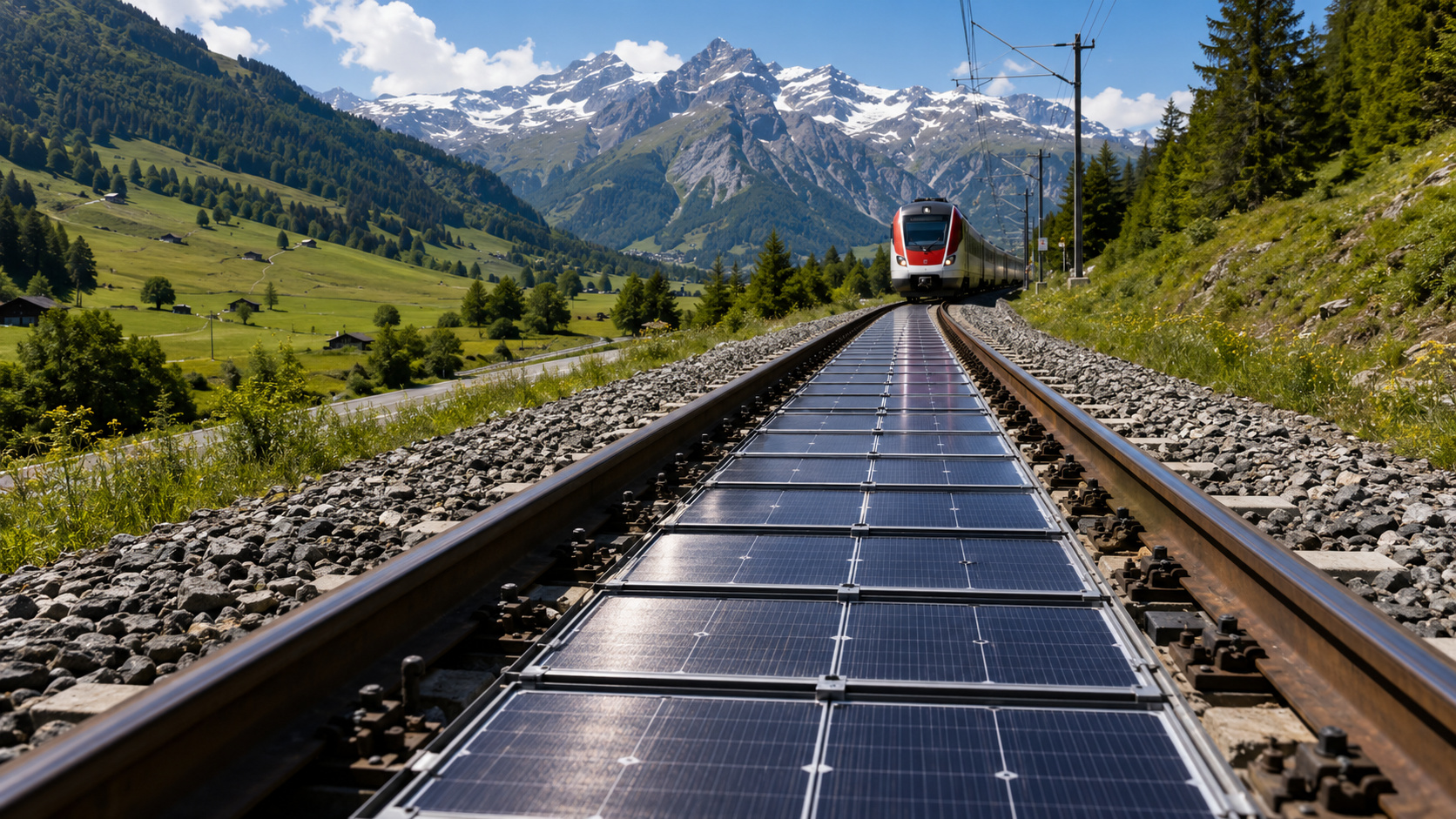
Switzerland Converts Train Tracks into Solar Power Plants with Removable Panels to Generate Energy Without Using Additional Land
-
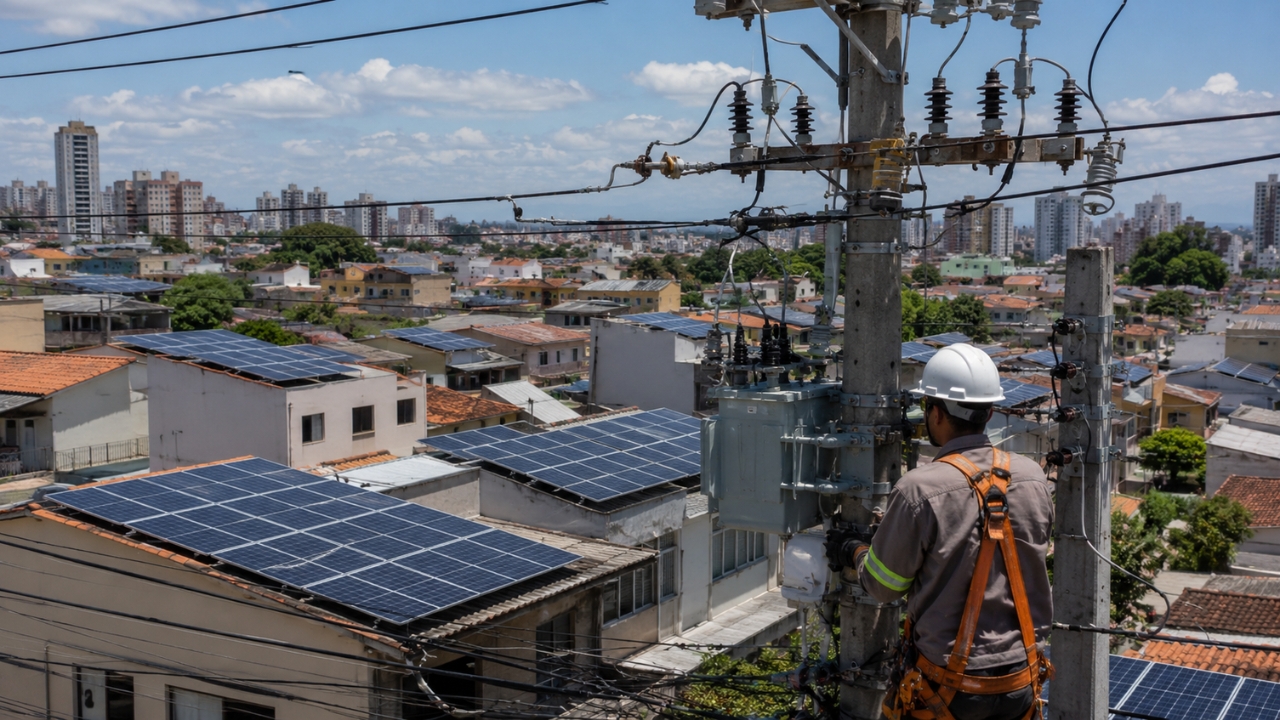
Surge in Solar-Powered Homes in Brazil Leads to Grid Strain and Connection Restrictions in Three States

-
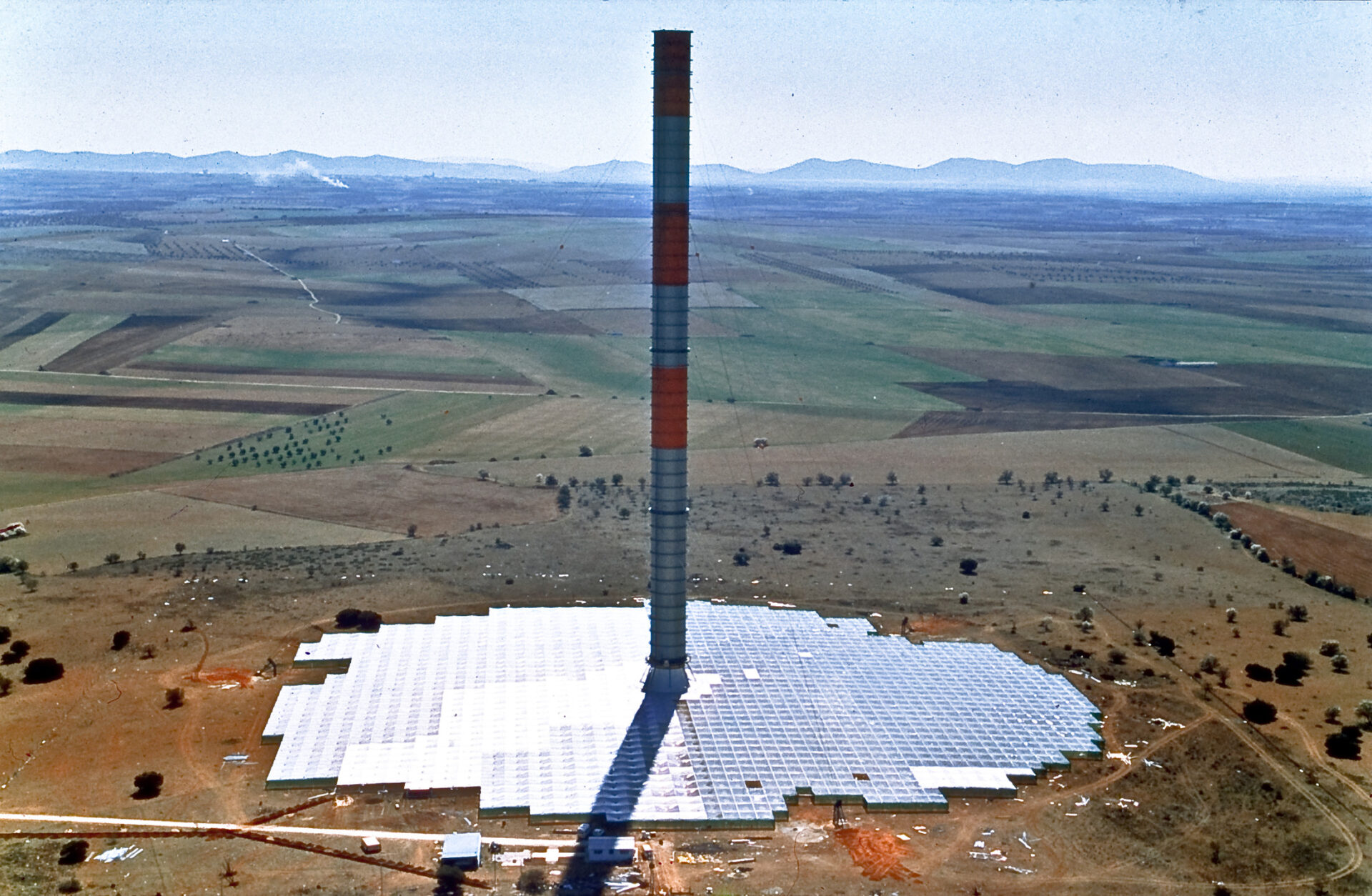
Solar Chimney in Spain Harnessed Sun to Generate Electricity for 7 Years Without Burning Fuel

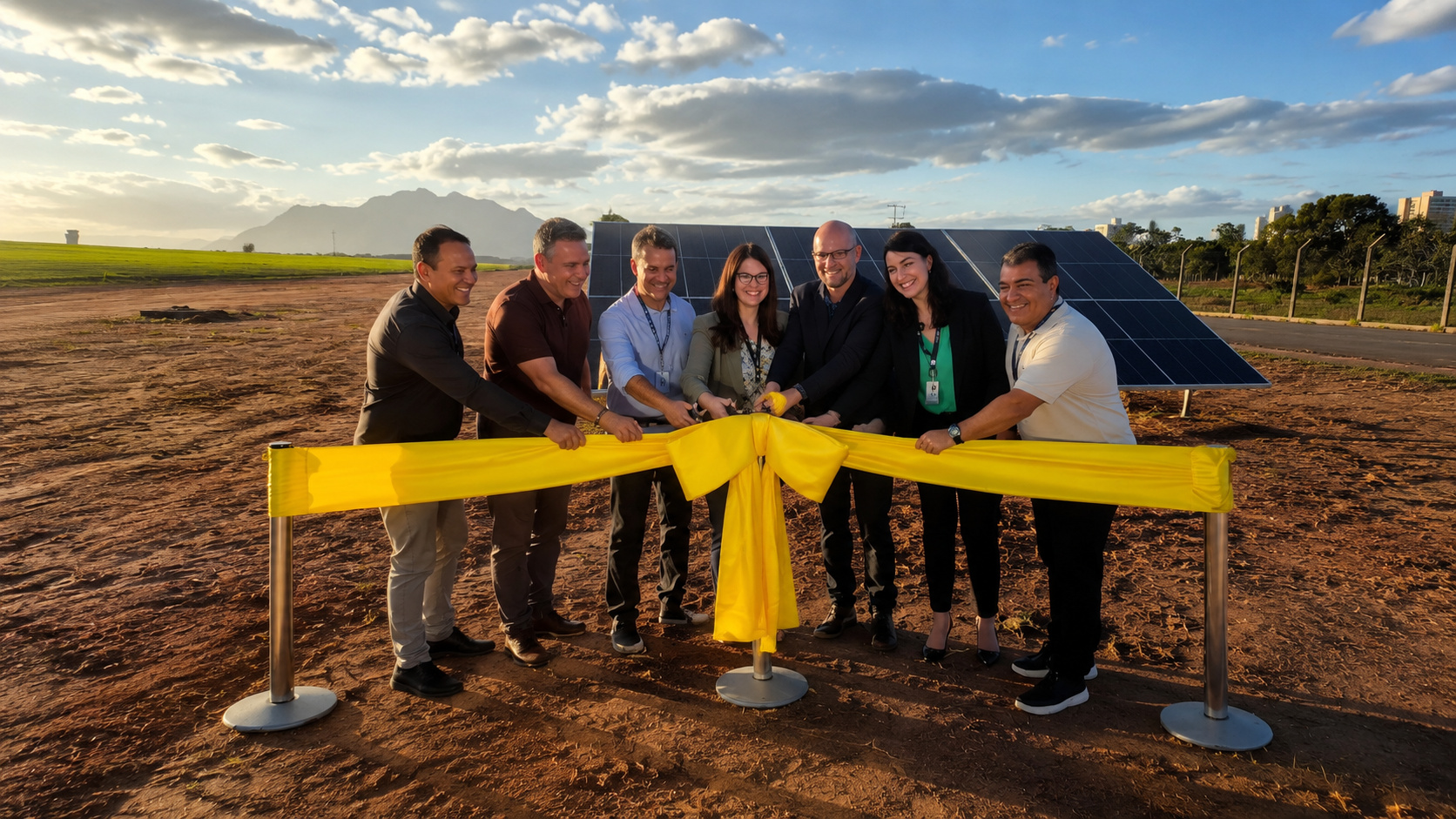
Thus, the initiative demonstrates how technology and sustainability can work together to serve communities that have been on the margins of conventional energy infrastructure for decades.
Moreover, the pilot phase of the project was completed in December 2024 in the village of Pykany, with an investment of R$ 2 million. During this phase, 35 solar energy systems with batteries were installed, ensuring continuous electricity supply for homes, schools, health posts, and surveillance bases.
Consequently, constant access to energy has changed the community’s routine. Activities previously limited to daylight hours, such as classes, meetings, and craft production, now also take place at night. This has increased productivity and quality of life.
Furthermore, the project has brought connectivity with satellite internet access, strengthening educational actions, technical training, and the use of technologies that facilitate the everyday lives of the villages. Therefore, young people, children, and women have become protagonists of these initiatives. The focus is on leadership training and strengthening gender equity.
The implementation of solar energy with batteries has also improved the health of the residents. Previously dependent on fossil fuels or kerosene lighting, many suffered from respiratory problems and domestic accidents.
Therefore, clean electrification significantly reduces these risks, offering a safer and healthier environment, especially for children and the elderly.
Social and Environmental Impacts of Solar Energy with Batteries
Historically, access to energy in indigenous communities in the Amazon has shown great inequalities. Consequently, the most remote areas of Pará and Mato Grosso have suffered for decades from the lack of basic infrastructure, hindering everything from territorial preservation to local economic development.
However, with the advent of solar energy, homes, schools, and health units began to operate continuously. Surveillance bases became more efficient, and environmental protection gained new resources.
Moreover, the continuous supply of energy strengthens the territorial monitoring bases, enhancing the response capacity against illegal activities, such as deforestation and mining.
For example, in 2021, the Indigenous Territories of Baú and Menkragnoti together recorded over 1,500 km² of deforestation, an area equivalent to the city of São Paulo.
Thus, with energy available 24 hours a day, communities monitor their territory more effectively, protecting the forest and preserving the local biodiversity.
The impact of Conexão Kayapó goes beyond environmental protection. Furthermore, the initiative contributes to economic and social development. With constant electricity, artisans produce at night, small businesses operate without time restrictions, and community-based tourism projects become more viable.
Additionally, the AYA Institute coordinates partner companies, while the Kabu Institute manages implementation in 18 villages and seven surveillance bases. Therefore, these partnerships expand the project’s reach and ensure its financial and social sustainability.
Moreover, clean energy allows craft cooperatives and local production to become more competitive. This opens doors to markets outside the Amazon and generates continuous income for families.
Energy Autonomy and Potential for Expansion
Cristopher Vlavianos, founder of Comerc Energia, emphasizes that the involvement of new partners accelerates the project’s expansion. “The more people and companies join, the faster we can scale the initiative and extend it to other locations, protecting our indigenous peoples and our forests,” he states.
Thus, the perspective highlights the potential for replicating the model in other Indigenous Territories. This promotes energy autonomy in still underserved regions.
Moreover, the history of electrification in the Amazon reveals persistent challenges, but also significant opportunities. For decades, the lack of energy has limited access to education, health, and communication.
Therefore, the introduction of solar energy with batteries represents a turning point. Sustainable and decentralized technologies allow isolated communities to achieve energy independence without relying on conventional grids, which are often distant and expensive.
Furthermore, solar energy helps to preserve local culture. For example, with electricity available, communities record traditions, stories, and crafts digitally, enhancing the recognition of their knowledge and enabling cultural exchange with other regions of the country and the world.
Moreover, the international recognition of the project reinforces its relevance. The Conexão Kayapó was nominated for the Earthshot Prize, one of the most prestigious environmental awards in the world, created by Prince William to promote high-impact solutions.
Thus, the 2025 ceremony, held for the first time in Latin America, in Rio de Janeiro, highlights Brazil’s leadership in the global climate agenda.
Solar Energy with Batteries as a Model for Transformation
The potential for expansion of the project is enormous. It is estimated that 79,000 indigenous people still live without access to electricity in the Legal Amazon. About 30% of these people may be included in future phases of the Conexão Kayapó.
Thus, the model implemented in Pará demonstrates that solar technology, combined with battery storage systems, transforms the lives of entire communities. This ensures autonomy, sustainability, and social development.
Moreover, more than just electrification, the project represents a force for social, environmental, and cultural transformation. With indigenous leadership and clean energy, it strengthens communities, protects the forest, and boosts access to education, health, and connectivity.
Therefore, the use of solar energy with batteries in the villages of Pará exemplifies a just energy transition. This reconciles human development with environmental preservation.
Thus, the experience of Conexão Kayapó proves that sustainable energy solutions in isolated regions offer lasting benefits for future generations. Over time, the expansion of this model serves as a reference for public policies and private initiatives aimed at energy inclusion. This shows that the future of the Amazon can be sustainable, technological, and equitable.
In summary, the arrival of solar energy with batteries to the villages of Pará not only improves the electric infrastructure: it transforms all aspects of community life.
From education to health, from economic development to environmental preservation, electrification with clean energy promotes autonomy and strengthens historically marginalized communities.
Thus, with continuity and expansion of the project, the example of Conexão Kayapó inspires other regions in the Amazon and Brazil. This reaffirms the importance of solar energy as a tool for social and environmental justice.