






 Portuguese
  Spanish
 6 min of reading
  0 comments


Rio Grande do Norte exceeds 122 thousand distributed energy connections and surpasses 1 gWp in solar generation with accelerated progress in the electricity sector.
The advance of solar energy in the Brazilian Northeast reached a new milestone in 2026. Rio Grande do Norte surpassed 1 gigawatt-peak (gWp) of installed power in distributed energy and reached 122,297 connections of solar systems connected to the electrical grid by March of this year. The numbers, released by the Solar Energy Observatory based on data from the National Electric Energy Agency (Aneel) and organized by JVilar Consultoria this week, reinforce the accelerated growth of solar generation in the state.
The recorded growth was 6.7% compared to last year, with 7,760 new systems installed in the first three months of the year alone. The accumulated installed power reached 1,047.9 MWp, consolidating Rio Grande do Norte’s growth in the distributed energy sector.
The sector’s expansion occurs at a time when residential consumers, businesses, and rural producers are seeking alternatives to reduce electricity costs. The combination of rising energy tariffs and a reduction in the price of solar equipment is transforming solar generation into an increasingly accessible solution.
-
Solar energy can increase property value by up to 10% and become a selling point.

-
Solar and wind energy surpass natural gas for the first time in the world and accelerate energy revolution

-
Africa has about 500,000 cell towers and most still burn diesel to operate, while companies rush to cover antennas with solar energy and avoid signal blackouts.
-
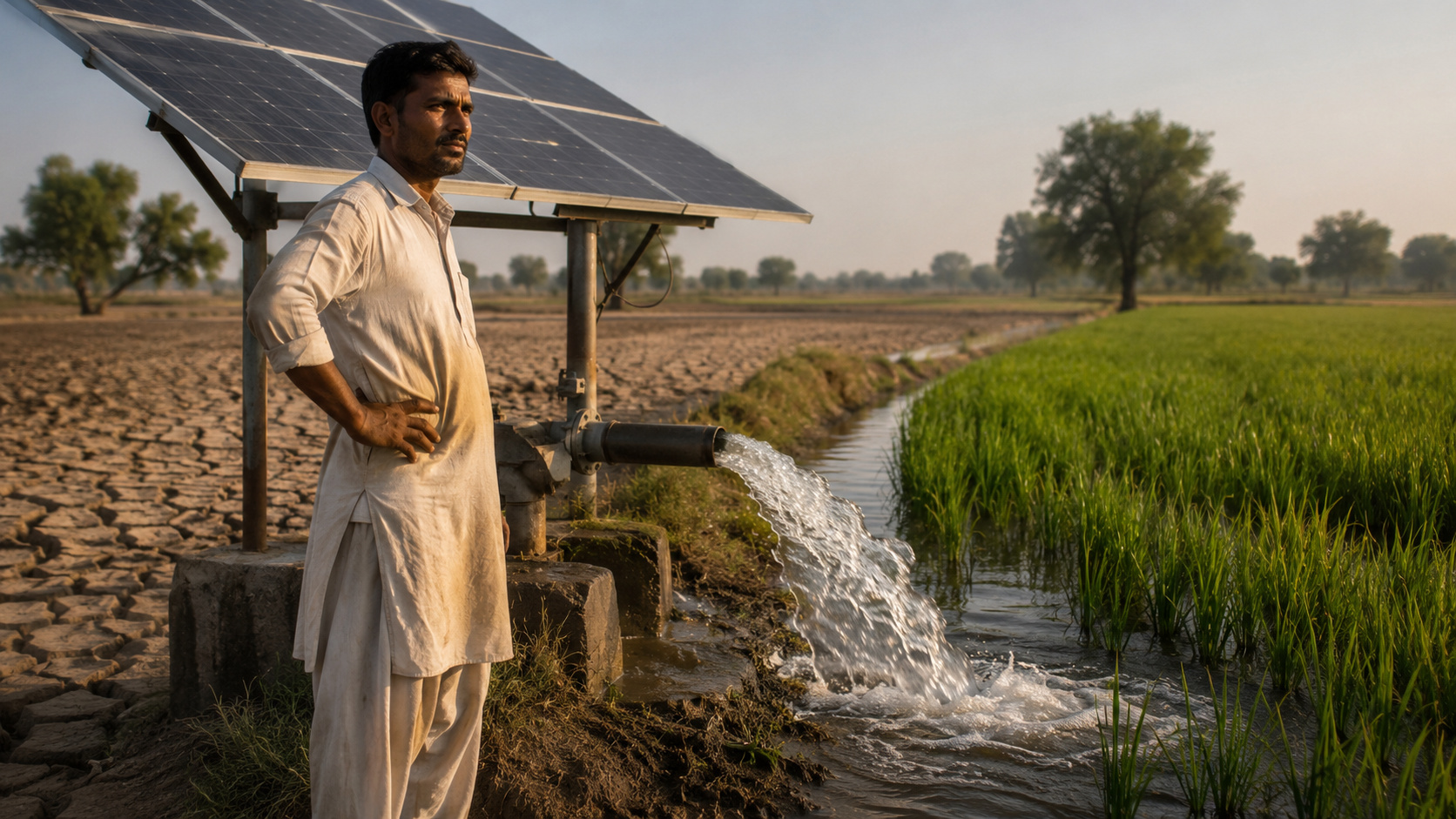
Farmers swapped diesel for solar panels in Pakistan, powered irrigation pumps almost cost-free, expanded rice fields, and now groundwater has become a red alert in the countryside.


Distributed energy grows rapidly in Rio Grande do Norte
The growth of distributed energy in Rio Grande do Norte reflects an important change in consumer behavior. The model of self-generation of energy is no longer an alternative limited to large companies and has become part of the reality of thousands of residences and small businesses.
According to data from the Solar Energy Observatory, the residential segment accounts for 86.2% of the connections installed in the state and is responsible for 64.9% of the total power. The commercial sector comes right after, representing 10% of the number of systems and 24.9% of the installed power.
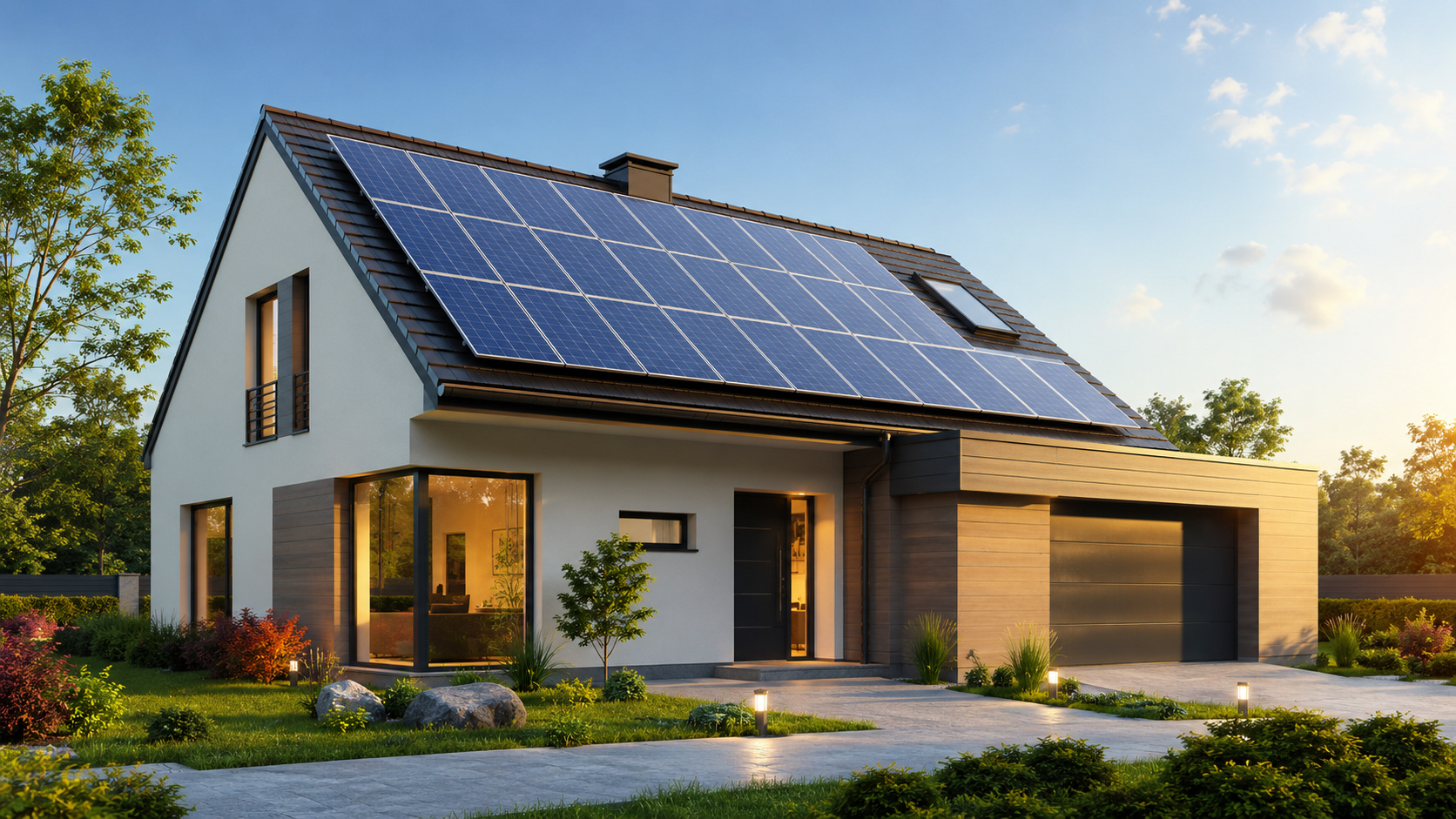
In practice, this means that much of the expansion of solar generation occurs on the rooftops of homes, where consumers seek to reduce dependence on the traditional electrical grid and lighten the burden of the energy bill on the family budget.
The president of the Potiguar Association of Renewable Energies (APER), Williman Oliveira, believes that the result demonstrates the consolidation of distributed energy as a strategic investment for the population. According to him, demand is growing because consumers have realized that generating their own energy can bring long-term savings.
Another factor cited by specialists is the gradual reduction in the prices of solar panels and photovoltaic equipment. In recent years, the sector has undergone a popularization process that has facilitated access to financing and increased market competitiveness.
Among the factors driving the advance of solar generation in the state are:
- Reduction in the costs of photovoltaic systems;
- Search for savings on electricity bills;
- Growth in financing for solar energy;
- Greater technical knowledge of installation companies;
- Expansion of electric vehicles;
- Growing interest in sustainable solutions.
Solar generation advances in residences, businesses, and rural properties
The expansion of solar generation in Rio Grande do Norte is not restricted to the residential sector alone. The growth of connections also reaches companies, businesses, industries, and rural properties, which see distributed energy as an opportunity to reduce operational expenses.
According to Lorena Roosevelt, manager of the Renewable Energies Hub at Sebrae-RN, the sector has undergone significant maturation in recent years. She highlights that consumers are more informed about the benefits of solar generation and now find a more structured and qualified market.
Another point that strengthens this scenario is the relationship between solar energy and electric vehicles. Many consumers have started investing in photovoltaic systems to power electric cars within their own homes, creating an even more efficient energy saving model.
This movement has been observed in both urban areas and the interior of the state. In agribusiness, for example, distributed energy is already used in irrigation systems, refrigerated storage, and agricultural operations that depend on high electricity consumption.
Solar generation has also gained ground among small entrepreneurs who seek to reduce fixed expenses to increase business competitiveness.
Among the segments that currently use distributed energy the most are:
- Urban residences;
- Small businesses;
- Supermarkets;
- Farms and rural properties;
- Small and medium-sized industries;
- Residential condominiums.
Rio Grande do Norte registers over 122 thousand active connections
The 122,297 connections registered until March reveal the extent of distributed energy expansion in the state. However, specialists state that the number of benefited consumers could be even higher.
This happens because many solar plants operate under a remote compensation model, where a single installation serves different consumer units. In practice, a plant installed in an inland city can generate energy credits for properties located in other municipalities.
According to Williman Oliveira, this format significantly expanded the reach of solar generation in Rio Grande do Norte. In many cases, a single system simultaneously serves several residences or commercial establishments.
Furthermore, the model facilitates access for consumers who do not have adequate space to install solar panels on their own properties. In this way, distributed energy becomes more democratic and accessible for different user profiles.
The accelerated growth also demonstrates the state’s strategic potential for solar energy production. Rio Grande do Norte has high solar radiation indices for practically the entire year, a condition considered highly favorable for photovoltaic generation.
Natal, Mossoró, and Parnamirim lead the expansion of solar connections
In the division by municipalities, Natal leads the state ranking for distributed energy connections. The capital has 21,401 installed solar systems and reaches 187,396.84 kWp of installed power.
Mossoró appears right behind, with 20,367 connections, while Parnamirim registers 12,266 systems connected to the electrical grid. In percentage terms, the three municipalities represent 17.5%, 16.7%, and 10% of the state’s installations, respectively.
According to sector specialists, the urban characteristics of these cities help explain the advancement of solar generation. In Mossoró, for example, the predominance of houses facilitates the installation of solar panels on rooftops.
In Natal, the growth of connections occurs in both residences and residential buildings and commercial enterprises. This expands the presence of distributed energy in different types of properties. In addition to the favorable geographical location, the electrical infrastructure of these municipalities also contributes to accelerating the connections of new solar systems.
Distributed energy boosts the economy and strengthens small businesses
The advancement of distributed energy also generates significant impacts on the economy of Rio Grande do Norte. The expansion of the sector drives engineering companies, installers, equipment suppliers, and specialized professionals.
With more systems being installed, the demand for skilled labor in areas related to solar generation also grows. The result is the creation of jobs and the strengthening of small businesses spread throughout the state.
For many entrepreneurs, investing in solar energy has become a way to increase competitiveness and reduce fixed costs. In sectors that rely heavily on electricity, savings on the energy bill can represent a greater profit margin and investment capacity.
In rural areas, agricultural producers have also come to see solar generation as a strategic tool to improve productivity and reduce operational expenses.
According to professionals linked to the solar energy market, the sector still has great growth potential in the coming years. The expectation is for continued expansion of connections and an increase in installed power in different regions of the state.
The advancement of solar generation transforms the energy landscape of Rio Grande do Norte
The growth of distributed energy shows that Rio Grande do Norte is undergoing an important transformation in its energy matrix. With over 122 thousand connections and an installed capacity exceeding 1 GWp, the state strengthens its position among the largest solar generation markets in Brazil.
The sector’s advancement reflects a combination of economic, technological, and environmental factors. Consumers have started seeking more energy autonomy, while companies and rural producers see solar energy as an opportunity to reduce costs and increase efficiency.
At the same time, the growth of connections drives investments, boosts the local economy, and strengthens the production chain linked to solar generation.
With favorable weather conditions, high solar incidence, and growing demand for clean energy, Rio Grande do Norte continues to expand its presence in the distributed energy sector and consolidate a market that still has ample room for expansion in the coming years.
With information from Tribuna do Norte.







Be the first to react!