





 Portuguese
  English
  Spanish
  3 min of reading
  0 comments


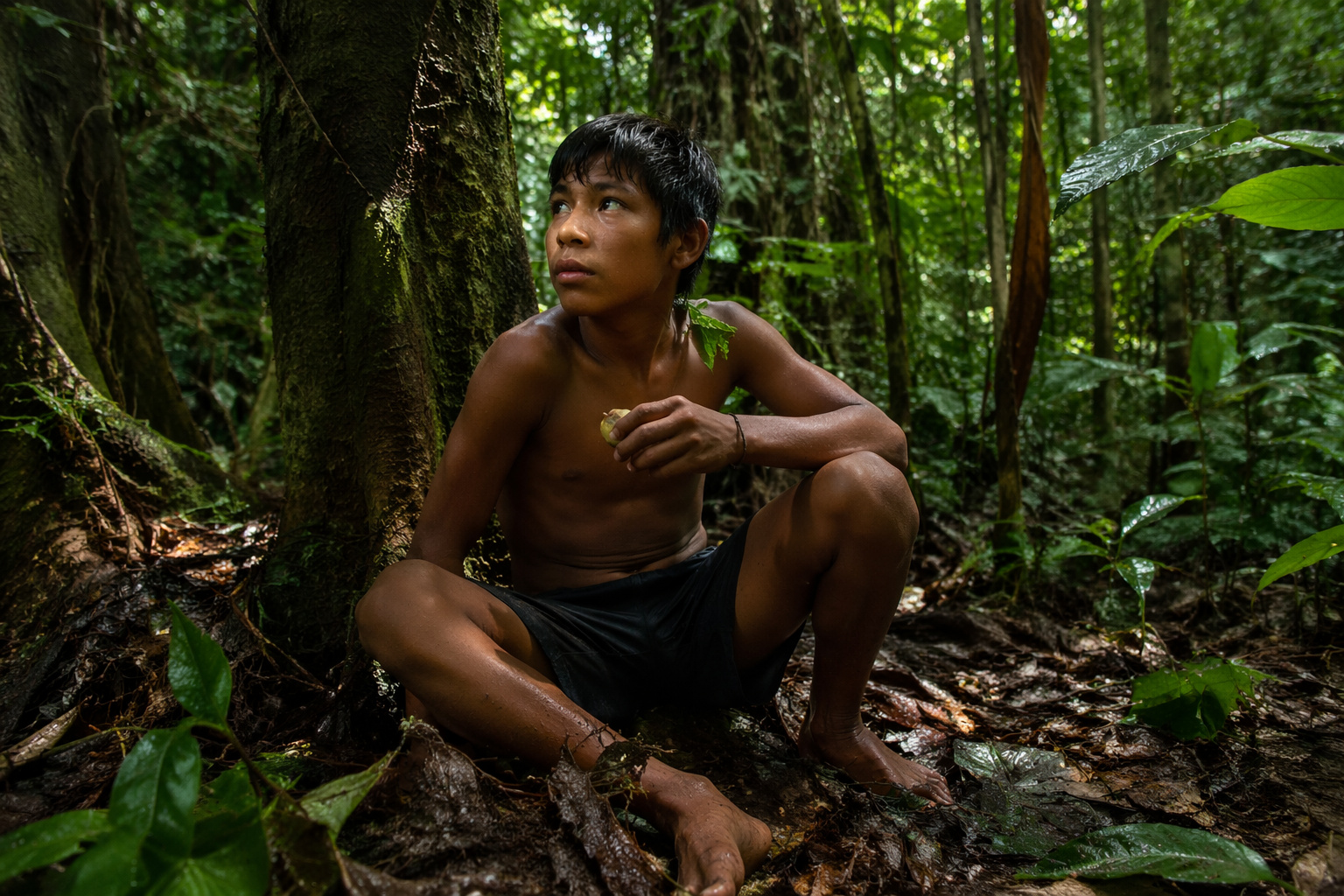
Young man missing between Mâncio Lima and Marechal Thaumaturgo found after intensive searches and reports how he managed to survive alone in the Amazon forest
A survival case caught attention in the interior of Acre, involving a indigenous teenager from the Puyanawa people who remained lost in the forest for 11 days.
The young man, identified as Davi Kaxinawa, disappeared after going out for hunting and fishing activities, being located on Sunday (5), as reported by Rede Amazônica Acre.
During this period, he managed to survive in a dense forest area between Mâncio Lima and Marechal Thaumaturgo after getting lost by altering his usual route.
-
Ebola once again frightens the world after deadly spread in Congo, lack of vaccines, and international alert about the risk of a new health crisis

-
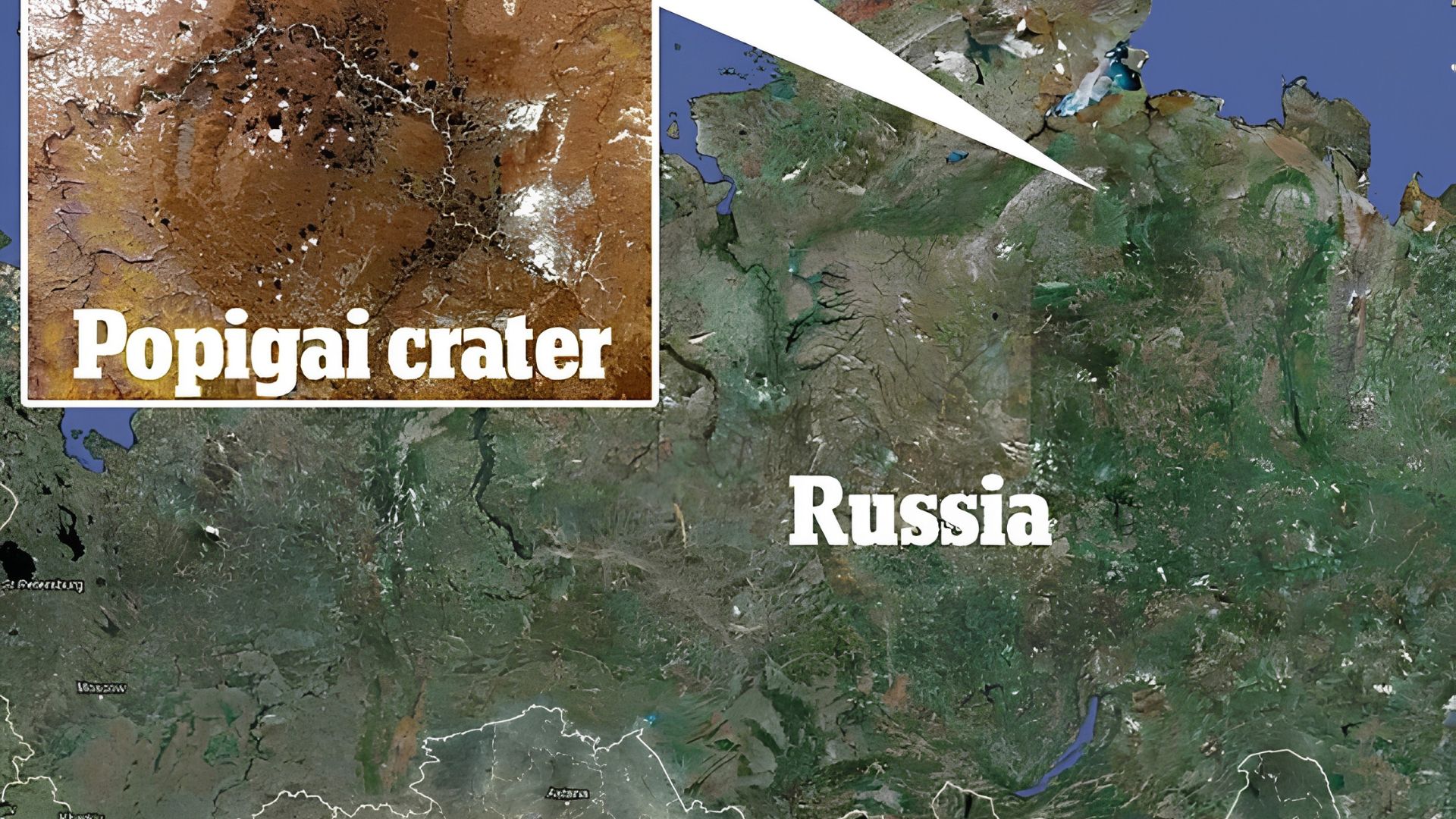
The hidden diamond crater in Siberia is almost 100 km in diameter, formed when an asteroid passed through the atmosphere at 20 km/s 36 million years ago, and is still being shaped by erosion in the Russian ice as one of the largest cosmic scars ever recorded by NASA on Earth.

-
While many European countries still face pressure from expensive and unstable energy, the Czech Republic is preparing an $18 billion nuclear power plant to deliver steady electricity with technology from South Korea.
-
In France, an entire road disappears under up to four meters of water, reappears at low tide, and only allows passage when the ocean reveals the path to Noirmoutier.




Change of route led to disappearance in the forest
Initially, Davi was following a path he already knew, which was part of the routine in the region.
However, as he reported to Rede Amazônica Acre, he decided to change the route during the journey.
“I used to go back and forth on the same path. Until I changed my mind, I changed my path,” explained the teenager.
Thus, the change in direction was crucial for him to become disoriented in the forest, making it difficult to return.
Survival based on natural resources of the forest
While remaining lost, the teenager faced days of rain and isolation, but maintained emotional control.
According to his own account, he chose to keep walking, without panicking.
“I wasn’t afraid, I stayed calm, just walking,” he stated.
Additionally, his diet was based on fruits from the forest and drinking water available in nature, which ensured his resilience during the 11 days.
Also, during this period, he slept in the forest itself, while trying to find a way out or some inhabited point.
Family faced despair during the days of searches
At the same time, the teenager’s family lived moments of intense worry, with no news about his whereabouts.
According to Vanderlei Kaxinawa, the young man’s father, the emotional impact was immediate and profound.
“My mother-in-law fell ill. My wife was desperate. The whole family was shaken,” he reported.
Thus, the disappearance mobilized family members and indigenous communities, increasing the atmosphere of tension in the region.
Firefighters’ operation covered about 30 kilometers
Meanwhile, teams from the Fire Department began a search operation in the Juruá region.
As explained by Major Josadac Cavalcante, the military covered approximately 30 kilometers inside the forest.
During the work, traces left by the teenager were found, which helped direct the search.
Additionally, the firefighters used strategies such as:
- Cutting branches to mark the path
- Making sounds and fireworks for orientation
- Identifying signs in the vegetation
According to the commander, Davi’s calmness was essential for his survival, as it allowed him to maintain physical resilience and some sense of direction.
Conclusion occurred after young man reached a village
Finally, after days of moving through the forest, Davi managed to reach a village, which enabled his rescue on Sunday (5), as reported by Rede Amazônica Acre.
Thus, the case highlights that emotional control and the use of natural resources were decisive in ensuring the teenager’s survival during the period of disappearance.
In light of this scenario, the story raises an important reflection: how many similar challenges still occur silently in the most isolated regions of the Amazon?








Be the first to react!