Portuguese
  Spanish


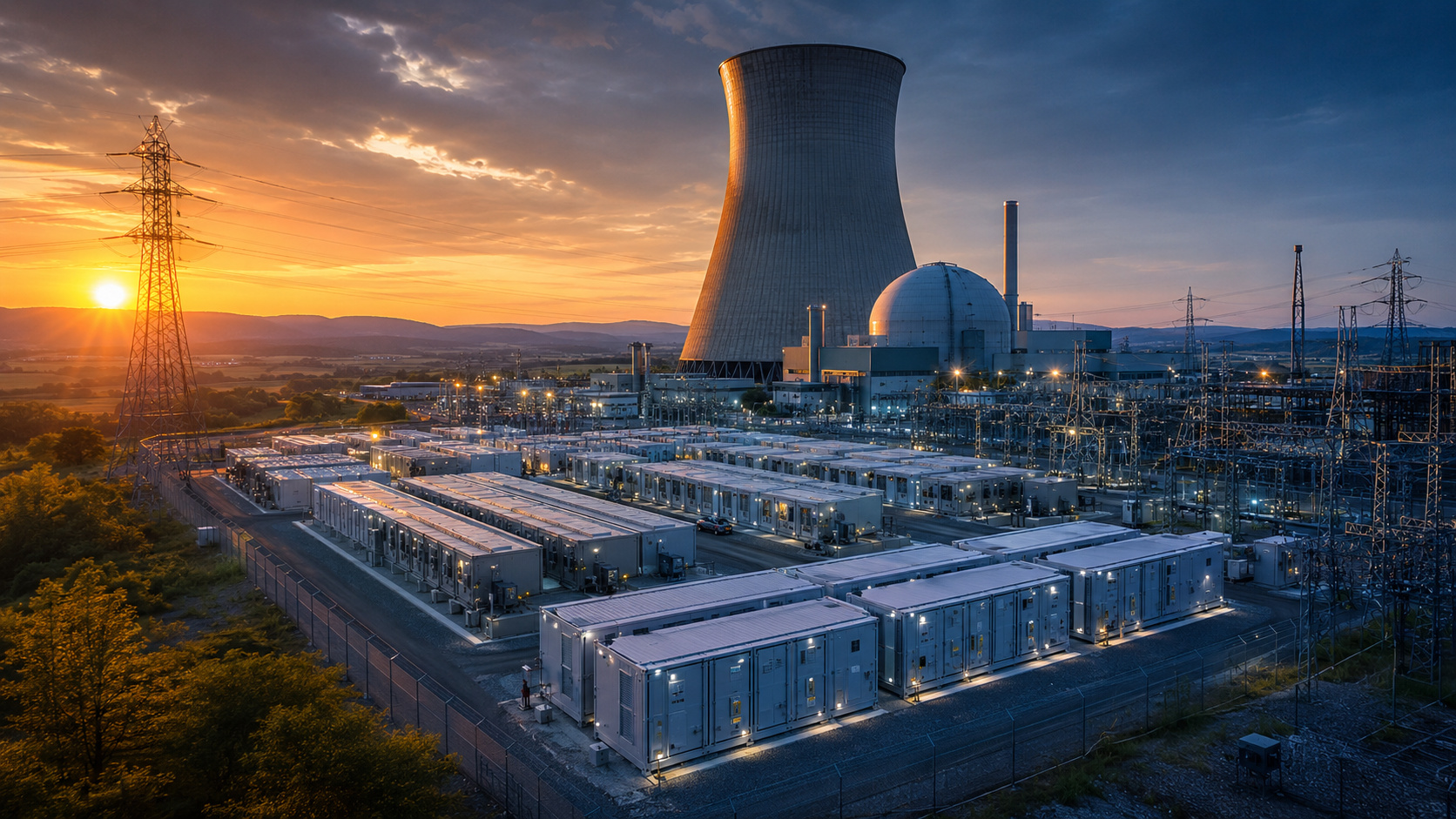


The Gundremmingen battery in Germany shows how an old nuclear area can gain a new function, use existing electrical connections, strengthen the grid, and become an example of large-scale industrial reuse
The former Gundremmingen nuclear power plant in Germany will gain a new role in the electric sector. The site will be transformed into a giant battery with 400 MW and 700 MWh connected to the power grid.
The report was published by Power Technology, an international energy news portal. The project draws attention because it replaces the image of a retired nuclear facility with a structure focused on energy storage.
In practice, the Gundremmingen battery shows that old industrial areas can still have value. The electrical connection of the former plant ceases to be part of the past and begins to serve a new phase of energy.
-
8-Year-Old Girl Finds 1,500-Year-Old Pre-Viking Sword in Swedish Lake

-
Brazilian Woman Fired After Maternity Leave Starts Street Sweet Business with $5, Now Produces 5 Tons Monthly with 21 Employees in Southeast Brazil

-
Father Sells 10-Year-Old Daughter to Feed Family Amid Crisis; Mother Tries to Undo Marriage in Camp Where Hunger Pushes Families to the Brink
-
6-Year-Old Finds Ancient Neanderthal Axe on English Beach, Discovers Its Significance Three Years Later




Former Gundremmingen nuclear power plant will become a giant battery in a change that draws attention in Germany
Gundremmingen was marked by the presence of a nuclear power plant. Now, the area enters another stage and is used to store electricity on a large scale.


The change is significant because it unites two different worlds. On one side, a facility linked to nuclear energy. On the other, a giant battery designed to support the power grid.
With 400 MW of power and 700 MWh of capacity, the project places Gundremmingen among the great examples of energy infrastructure reuse in Germany.
Gundremmingen battery uses an electrical connection that already existed on site
The most strategic point of the project lies in the already installed infrastructure. The former nuclear power plant had a connection to the power grid, and this detail transforms the land into a valuable area for a large-scale battery.
A battery of this size does not only need physical space. It also needs a connection to the grid to receive and deliver energy when the system requires it.
Therefore, the Gundremmingen battery does not just represent a new construction. It shows how an old structure can be repurposed instead of remaining idle or losing utility.
Power Technology detailed the project’s numbers of 400 MW and 700 MWh
Power Technology, an international energy news portal, provided the main data of the installation: 400 MW of power, 700 MWh of capacity, and use of the old nuclear plant’s infrastructure.
These numbers help to understand the size of the project. The power shows the strength with which the battery can deliver energy. The capacity shows the volume of electricity that can be stored.
In simple words, the battery works like a large reserve. It stores energy and can return this energy to the grid when needed.
Repurposing the nuclear area prevents a strategic structure from remaining idle
Many old industrial areas lose function after an activity is ended. In Gundremmingen, the chosen path is different.
The site that was once associated with nuclear energy is now used for a modern function: storing electricity. This gives new life to the existing infrastructure.
This choice also highlights an important point for the electric sector. Not every transformation needs to start on an empty lot. Sometimes, the best asset is already ready and just needs a new purpose.
Energy storage gains importance in electrical grids that need more balance
The Gundremmingen battery enters a larger debate about the security and stability of the electrical grid. Storing energy has become an increasingly important necessity in modern systems.

When energy is available, a battery can, therefore, store part of this volume. Later, it can deliver electricity to help the grid during times of higher demand.
This type of solution does not work like a traditional plant. The battery does not produce energy from scratch. It stores and returns energy in a planned manner.
Germany transforms nuclear past into a piece of a new energy phase
The transformation of Gundremmingen draws attention because it changes the role of an old nuclear area. The site is no longer seen just as a retired installation and now has a direct function in the electrical grid.
The combination of 400 MW, 700 MWh, and existing connection makes the project relevant. The case shows how industrial sites related to energy can be repurposed practically.
The Gundremmingen Germany battery also reinforces a simple idea: old infrastructure can remain important when given a new function.
A giant battery where there was once nuclear energy changes the way we look at old plants
The project in Gundremmingen shows that old nuclear plants don’t have to become just industrial ruins or unused areas. They can return to the energy map with another purpose.
The planned installation with 400 MW and 700 MWh places Germany at the center of a discussion about repurposing, storage, and modernization of the power grid.
What do you think is smarter: abandoning old industrial areas or transforming these spaces into giant batteries to support the energy of the future? Share your opinion.