





 Portuguese
  English
  Spanish
  3 min of reading
  0 comments


Road connecting Noirmoutier to the mainland disappears twice a day, requires attention to tides, and has become a historical attraction on the French coast
A road with a rare behavior draws attention in France for disappearing completely during high tide. The Passage du Gois, located on the French west coast, connects the Island of Noirmoutier to the mainland and is submerged by the sea twice a day.
With about 4.5 kilometers in length, the road appears during low tide and allows the passage of cars, bicycles, and pedestrians. However, when the tide rises, the road is covered by up to four meters of water, turning the route into a dangerous area.
Tide phenomenon turns road into attraction
The Passage du Gois depends directly on the natural cycle of the tides. During low tide, the narrow path appears over a sandy and paved strip, surrounded by the receding ocean.
-
Amazon ants build underground farms, cultivate fungi as food, and even use bacteria to protect their natural plantation in the forest.

-
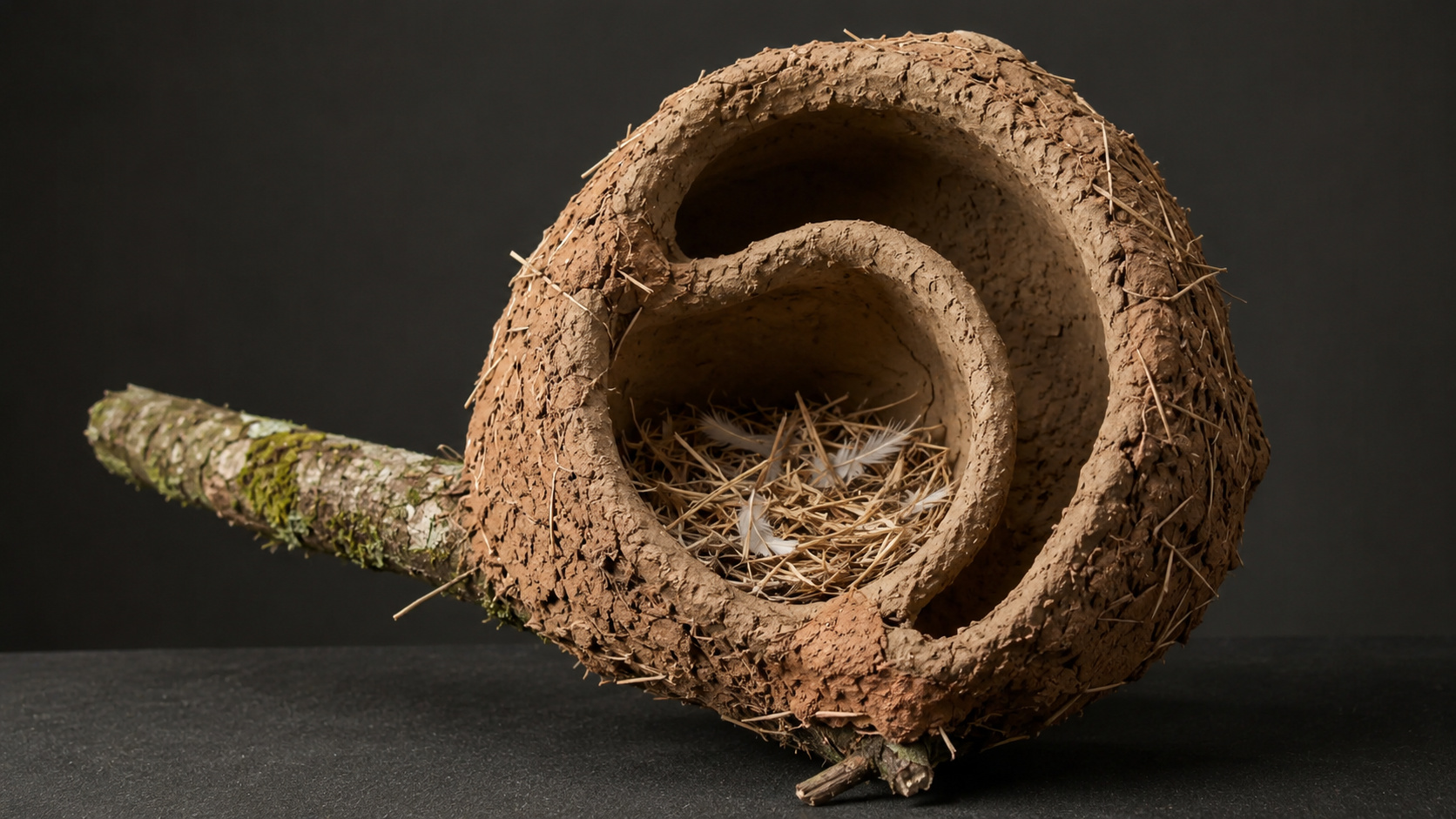
João-de-barro doesn’t just build a nest; it constructs a clay capsule with thermal insulation that withstands heat, wind, and rain.
-
Rare case in Minas Gerais draws attention after a sow gives birth to 46 live piglets in a delivery that surprised even those knowledgeable in pig farming.
-
Provatti popcorn corn is removed from shelves after label says “gluten-free” while also warning about wheat



Furthermore, the surface mixes stones, compacted sand, and marks left by the constant force of the water. As there is no shoulder or side protection, crossing requires the full attention of visitors.

Crossing requires planning and care
The passage can only be used at specific times. Therefore, travelers consult local guides, tide apps, signs, and panels before crossing.
Usually, there is a safe window of a few hours in each cycle. However, those who ignore the warnings can get trapped by the water, as the tide rises quickly.

Rescue towers reinforce the road’s risk
Along the road, small rescue towers have been installed to protect people caught by the tide. These structures serve as a refuge until the water recedes again.
In this way, the road reveals a constant coexistence between adventure, natural beauty, and real risk. Safety exists, but responsibility remains in the hands of each traveler.
Historic road became a tourist symbol
The Passage du Gois has been used for centuries by local residents. Before modern bridges, it was an important link between Noirmoutier and the French west coast.
Fishermen, merchants, and travelers depended on this path to move and maintain their activities. Today, however, the road has also become a tourist attraction and a setting for striking photos.
Nature, fishing, and tourism share the same path
Besides the crossing, the region is home to shellfish, seaweed, and seabirds. During low tide, fishermen collect seafood in areas exposed by the water.
Thus, the Gois functions as a road, natural landscape, and source of livelihood. The Island of Noirmoutier further completes the experience with beaches and charming villages.
Why does the Passage du Gois impress so much?
The road has also hosted sports events, races, and marathons during low tide. Moreover, photographers and filmmakers value the contrast between the asphalt, the ocean, and the open horizon.
The name “Gois” refers to an ancient reference to a submerged path, reinforcing its historical identity. Therefore, the Passage du Gois remains a living heritage, natural spectacle, and one of the most curious roads in France.
After all, how many roads in the world manage to disappear every day and continue to attract travelers precisely because of this?





-

-

3 people reacted to this.